THE FUTURE OF TRAVEL: IS THIS THE WINNING COMBINATION?
European travelers are increasingly seeking journeys that combine adventure with cultural immersion, including outdoor activities, sports, history, and gastronomy.

Traditional
beach holidays could soon be replaced by active getaways and so-called
“darecation” trips, as more travelers look for adrenaline-filled experiences
and outdoor adventures instead of relaxing with a cocktail and a book.
Challenge-based travel and full-scale adventure experiences have seen a significant
rise in interest in recent years. According to Pinterest, “darecations” rank
among the top travel trends for 2026, with searches related to adventure
tourism on the platform increasing by as much as 75%.
The
main driver behind this trend is the post-pandemic desire for travel that
creates lasting memories and offers deeper cultural experiences. This shift is
encouraging travelers to save and invest in unique, unforgettable trips rather
than multiple generic holidays. According to estimates by the Adventure Travel
Trade Association, the European adventure tourism market is worth approximately
$464 billion (€404 billion). The largest markets include Germany, France,
Italy, Spain, Netherlands, and United Kingdom, with 73% of travelers stating
they are “open to adventure.”
MOST POPULAR “DARECATION” ACTIVITIES
According
to data from SportsCover Direct, hiking and trekking are seeing a 69% increase
in interest in 2026. When it comes to trekking, few places rival the
breathtaking views of the Himalayas. Although there are many stunning mountain
ranges worldwide, the experience of seeing the Himalayas in person remains
unmatched. In Europe, hiking is particularly popular due to an extensive
network of well-marked trails through the Alps, forests, historic towns, and
coastal routes. Other popular activities include safaris, archaeological
explorations, and duathlons.
Marathon-based
trips, or “race-cations,” are also on the rise, growing by 56% annually, driven
by post-pandemic trends of social and health-focused travel, especially among
Generation Z and women. Sailing is another increasingly popular activity. In
Croatia, known for its stunning coastline and developed infrastructure,
interest has grown by 54%, while white-water rafting is increasing by 38%
annually, with Norway’s Sjoa River emerging as a top destination.
BALANCING ADVENTURE AND CULTURE
Despite
the rise of adrenaline-driven travel, the Adventure Travel Trade Association
emphasizes that “adventure” has different meanings across Europe. Some
travelers seek cultural experiences, others prefer active exploration, while
many aim for a balance between the two.
Travelers
from Germany tend to combine adventure with cultural immersion, enjoying nature
while also valuing social and cultural interactions. Those from Netherlands are
more adventure-oriented but still prioritize relaxation and leisure time.
Meanwhile, travelers from France and Spain often choose cultural experiences,
history, and gastronomy, frequently traveling with family and friends. Visitors
from Italy focus on personal growth and transformative experiences, often
linked to eco-friendly and local initiatives, while those from the United
Kingdom are drawn to adventure and exploration, but remain equally interested
in cultural discovery and long-haul travel.
In
Serbia and across the region—including Croatia, Montenegro, and Slovenia—the
trend of active tourism is also growing. Hiking routes across Tara, Kopaonik,
Durmitor, and Triglav, cycling through Istria, and rafting adventures are
attracting an increasing number of tourists. Local adventure tourism also
includes canyoning, sailing along the Adriatic coast, and guided cultural tours
through historic cities such as Dubrovnik, Kotor, and Ljubljana.
More
and more tourists in the region are combining active holidays with gastronomy
and local culture, reflecting the broader European trend of “experience over
intensity.” Adventure travel is no longer just about extreme activities—it has
become a way to create lasting memories and authentically experience a
destination. Travelers increasingly seek to connect adventure with local
culture, spend time in nature, and ensure their journeys positively impact the
places they visit.

Join our
Viber Community

OCTOBER TRAVEL AND DAY TRIPS: INDIAN SUMMER GIVES WAY TO TRUE AUTUMN
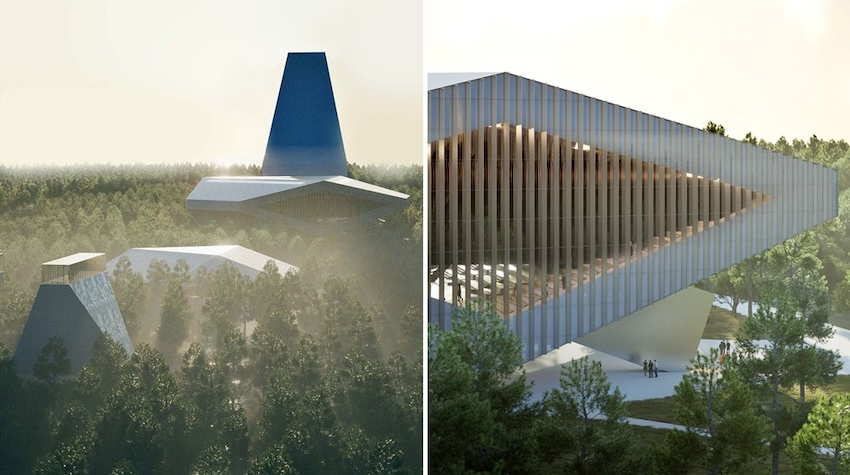
TREBINJE TO GET A NEW CONGRESS CENTER WORTH MORE THAN BAM 300 MILLION

THREE WARM AUTUMN DRINKS TO SATISFY YOUR SWEET CRAVINGS
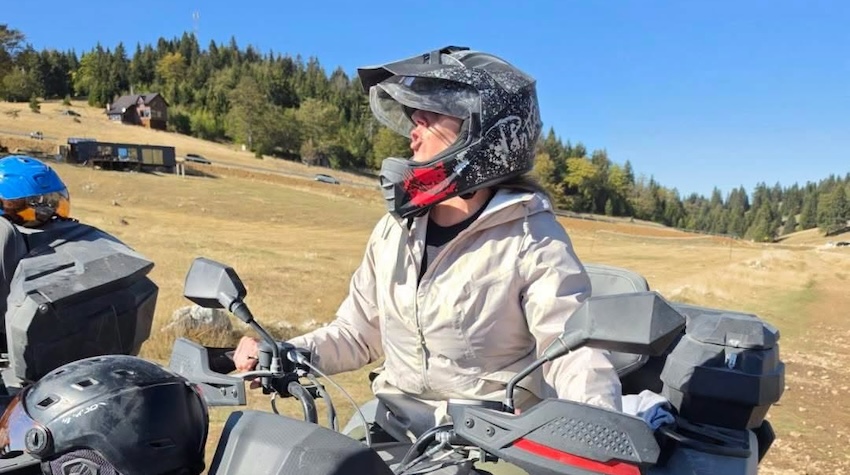
VLAŠIĆ FOR 299 BAM: TWO NIGHTS, BREAKFAST, QUAD TOUR AND TRADITIONAL BOSNIAN PIE
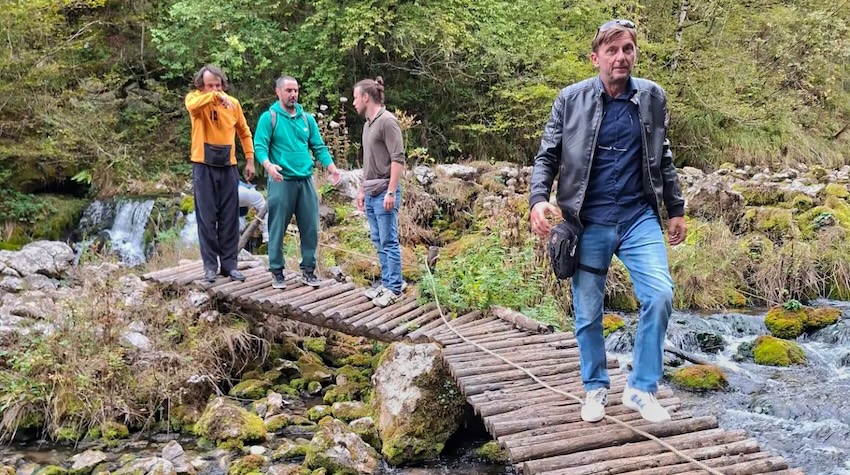
WELL-KNOWN ACTORS ARRIVE IN PECKA AS PREPARATIONS BEGIN FOR FILM “BJESNILO”
AUSTRIAN COMPANY TO OPEN CHOCOLATE FACTORY IN REPUBLIKA SRPSKA
WELL-KNOWN ACTORS ARRIVE IN PECKA AS PREPARATIONS BEGIN FOR FILM “BJESNILO”
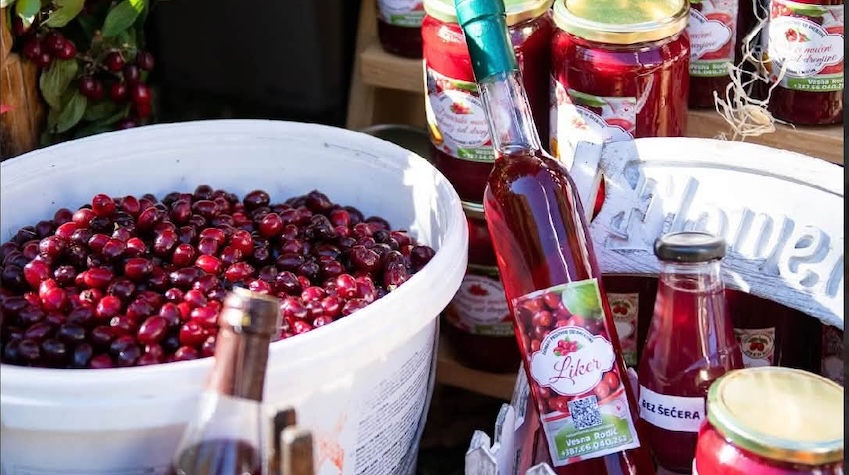
DRVAR CORNELIAN CHERRY DAY: 25 YEARS OF TRADITION AND LOCAL FLAVORS
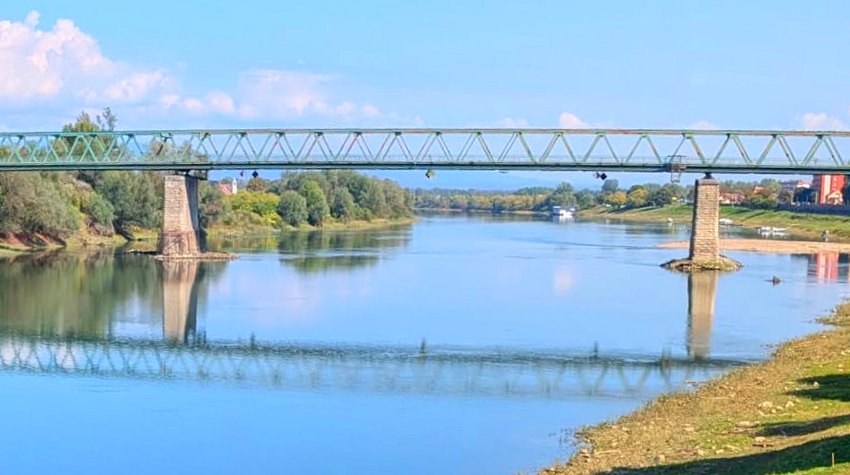
SAVA – A SPECIAL RIVER FOR THE PEOPLE OF GRADIŠKA

IS A ONE-PAGE WEBSITE ENOUGH FOR YOUR BUSINESS?

 The situation at the border crossings