“DOUBLE C” LOOK-ALIKE SPARKS WAVE OF REACTIONS AGAIN, INFLUENCERS AND CONSUMERS FEEL MISLED
The “Double C” look-alike has once again come under public scrutiny, this time due to reactions from well-known influencers and growing discussions across social media platforms.
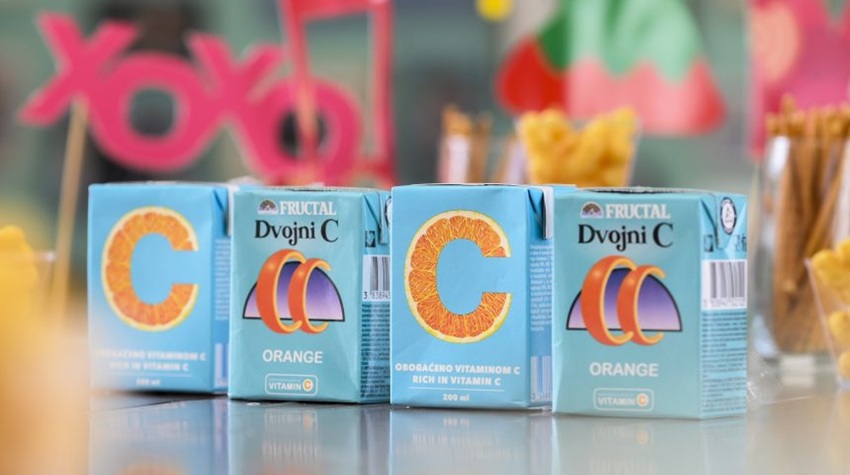
In recent days, online conversations have increasingly focused on identity imitation after social media users, along with popular content creators, began commenting on a product that visually resembles the iconic Double C juice brand.
For many people, Double C is far more than just another drink on a store shelf. It is one of those brands consumers recognize instantly, even before reading the label — through its colors, packaging, and the memories attached to it.
That is why the appearance of a product whose design strongly reminds consumers of Double C triggered reactions that go beyond simple packaging similarities, touching on issues of consumer trust, fair market competition, and the fine line between inspiration and imitation.
“What Do We Fall for in a Hurry?”
One of the reactions that drew significant attention came from influencer Tatjana Jović, who commented on the issue through a simple but pointed question on her Instagram profile: “What do we fall for in a hurry?”
That sentence, in many ways, captures the essence of the entire story.
After all, how many people carefully read every label while shopping quickly? How often do customers stop to check the manufacturer, the product name, or subtle packaging differences? Most consumers — especially when buying products they have known for years — rely on first impressions: color, shape, layout, and overall visual identity.
By raising the issue, Tatjana highlighted a very real consumer situation: a shopper sees something that immediately reminds them of a familiar product, reaches for it instinctively, and only later realizes it may not be what they thought they were buying.
According to her, that is exactly what happened to her. And after trying the juice, she said she felt deceived.
Influencer Andrea Tomašević Kolenda, known online as “Enina Mama,” also addressed the issue on Instagram. She said she was shocked to discover that a copy of the iconic Double C juice existed on the market.
In a video post, she drew attention to the problem, especially after personally noticing that many people — particularly children — pick up the imitation product believing it to be the original.
The issue, therefore, is not merely whether two products resemble one another. The real question is what happens at the moment of purchase, when consumers have neither the time nor the reason to suspect that the product in front of them may actually be something else.
Balkan Product News Raised the Issue from a Consumer Perspective
The case was also discussed on the Instagram page Balkan Product News, a profile focused on products, market trends, packaging, and consumer reactions.
The post specifically highlighted the visual similarity between the products on store shelves and examined how strongly visual identity can influence purchasing decisions. Rather than framing the issue in legal or corporate language, the topic was presented the way most consumers experience it — through a simple question: what happens when you see a product on the shelf that instantly reminds you of something you have been buying for years?
That approach sparked numerous comments, as many users easily recognized themselves in the situation: quick shopping, familiar colors, similar packaging, and a hand automatically reaching for the product.
And then comes the question: did I actually buy what I thought I was buying?
Public Reactions Show Consumers Are Not Indifferent
On social media suggest that consumers do not view such situations as trivial.
Some users reacted with humor, others with disbelief, while many raised direct questions: how is it possible for one product to resemble another so closely on the shelf, are consumers being misled, and where exactly is the boundary between similarity, inspiration, and copying?
This wave of comments demonstrates just how important visual identity has become. People are attached not only to the taste of a product, but also to its appearance, memories, and habits associated with it. When something appears that strongly resembles that product, the reaction is almost instinctive.
In the case of Double C, the emotional effect is even stronger because it is a juice many people associate with childhood memories. That is why this story is being perceived as more than just a packaging dispute - for many, it feels like interference with one of those small but meaningful everyday symbols people carry with them for years.
When Influencers Raise a Topic, the Public Quickly Recognizes It
What once remained limited to conversations among shoppers can now quickly turn into a broader public debate. All it takes is for influencers or product-focused profiles to pick up the story, and within hours it reaches a much wider audience.
In this case, the reactions appearing online helped bring the issue closer to people who may not follow the legal, business, or market aspects of such disputes, but who understand one thing very clearly: when something on the shelf looks familiar, consumers expect it to genuinely be the product they believe they are buying.
That is precisely why the story became viral - not because of one juice, but because of the feeling that consumers should be able to trust what they purchase.
And if doubt already appears at first glance, then the problem is no longer just the packaging.
The problem is trust.

Join our
Viber Community
THREE WARM AUTUMN DRINKS TO SATISFY YOUR SWEET CRAVINGS

VLAŠIĆ FOR 299 BAM: TWO NIGHTS, BREAKFAST, QUAD TOUR AND TRADITIONAL BOSNIAN PIE

WELL-KNOWN ACTORS ARRIVE IN PECKA AS PREPARATIONS BEGIN FOR FILM “BJESNILO”

IS A ONE-PAGE WEBSITE ENOUGH FOR YOUR BUSINESS?

RADIO LAKTAŠI TO HIT THE AIRWAVES SOON: MODERN STUDIO, NEW EQUIPMENT AND GREAT MUSIC
AUSTRIAN COMPANY TO OPEN CHOCOLATE FACTORY IN REPUBLIKA SRPSKA
WELL-KNOWN ACTORS ARRIVE IN PECKA AS PREPARATIONS BEGIN FOR FILM “BJESNILO”
DRVAR CORNELIAN CHERRY DAY: 25 YEARS OF TRADITION AND LOCAL FLAVORS

SAVA – A SPECIAL RIVER FOR THE PEOPLE OF GRADIŠKA
IS A ONE-PAGE WEBSITE ENOUGH FOR YOUR BUSINESS?
 The situation at the border crossings