THE STORY OF THE SARAJEVO JEFTANOVIĆ FAMILY, ONE OF THE MOST INFLUENTIAL SERBIAN FAMILIES OF THE 19TH AND 20TH CENTURIES, IS BEING BROUGHT TO THE SCREEN
The story of the Sarajevo Jeftanović family, one of the most influential Serbian families of the 19th and 20th centuries, is being adapted for the screen. A documentary film is currently being shot in Sarajevo, which will portray the development of modern Sarajevo through the story of a family that built the first modern hotel, “Evropa,” took part in the construction of the National Theatre and the Cathedral, and contributed to the founding of the city’s first schools.
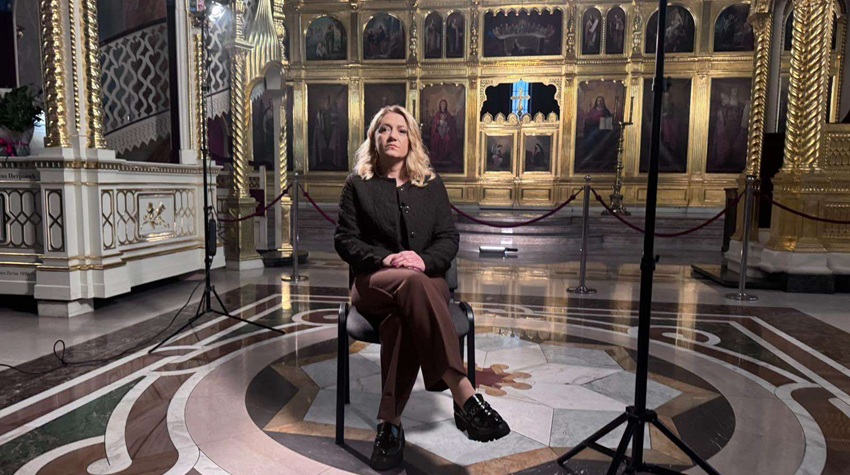
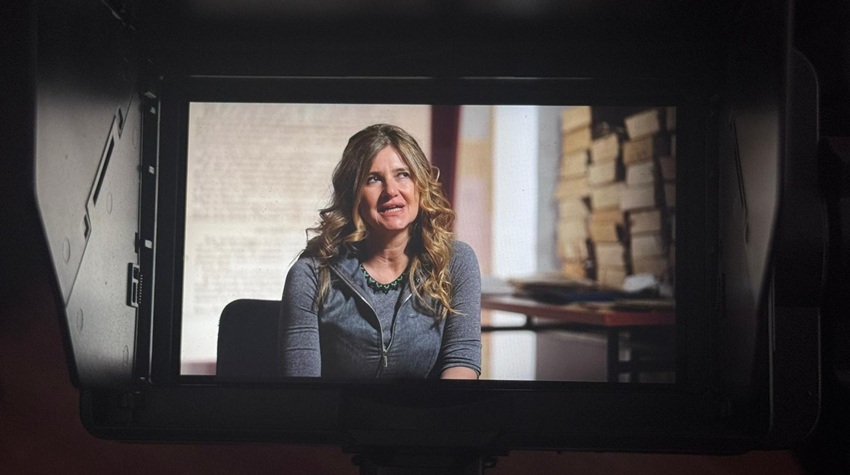
“When my father told me about his family, I always thought he was fantasizing and viewing the past too romantically. Now it is clear to me that none of it was his imagination,” says Andrea Jeftanović, a descendant of the family, who this year traveled from Chile to Sarajevo specifically because of the film.
The Jeftanović family fled to Chile during the Second World War, after Dušan Jeftanović, Andrea’s grandfather, was taken away and killed in the Danica camp. Her grandmother Milena then left with their children Predrag, Nenad, and Ksenija, and their descendants still live in Chile today.
Andrea has visited Sarajevo several times, but since 2022 she has been coming every time she has a holiday. An invitation she received from Sarajevo Jew Moris Albahari, who returned a family watch to her, was an additional reason for her return to the city her family helped shape.
“It is an incredible and touching story, the story of a watch that the Albahari family has kept since the First World War, which originally belonged to my family. I managed to come and meet Mr. Albahari and share with him a beautiful story of coexistence in this city,” Jeftanović said.
This very story was published by journalist Aleksandra Tolj Ružić, who is now working together with Andrea on the film.
“I met Mr. Albahari a long time ago. When he saw that I knew the city’s history well, he told me he had a watch belonging to the Jeftanović family, which his father received from a member of that family after saving him in the First World War. I wrote a report and searched for Andrea, whom I had heard was a university professor and writer. When we spoke, she thought I was joking,” Tolj Ružić said.
She adds that the story deserves a film adaptation for several reasons.
“Gligorije Jeftanović, the most prominent member of the family, was considered a leader of the people. He met four times with the Austro-Hungarian emperor in the struggle for church autonomy. The family owned a brick factory, a lime kiln, dozens of properties in Sarajevo and across the country. Even today, some of their buildings bear the monogram ‘ГМЈ’ – Gligorije Manojlo Jeftanović – and all of this will be shown in the film,” Tolj Ružić said.
After the first phase of filming, which is nearing completion, production will continue in October, when Andrea Jeftanović returns to the region. Filming will take place not only in Sarajevo, but also in Belgrade, Jasenovac, and on the island of Brač.

Join our
Viber Community

IS A ONE-PAGE WEBSITE ENOUGH FOR YOUR BUSINESS?
RADIO LAKTAŠI TO HIT THE AIRWAVES SOON: MODERN STUDIO, NEW EQUIPMENT AND GREAT MUSIC
HOW GUESTS ARE WELCOMED IN GRADIŠKA: A FULL TABLE, GOOD STORIES AND ROKI AT THE GATE
AUSTRIAN COMPANY TO OPEN CHOCOLATE FACTORY IN REPUBLIKA SRPSKA
DRVAR CORNELIAN CHERRY DAY: 25 YEARS OF TRADITION AND LOCAL FLAVORS


 The situation at the border crossings