HOW MUCH PROTEIN DO WE NEED DAILY?
Given the many essential roles protein plays in the human body—including hormone production, strengthening the immune system, and building muscle—it is crucial to ensure an adequate daily intake.
According
to the National Academies of Medicine, between 10% and 35% of total daily
calories should come from protein. This is a fairly broad range, and the exact
number of grams a person needs per day depends on several factors.
The
general recommendation is around 0.8 grams of protein per kilogram of body
weight. However, this amount is not the same for everyone. Age, body size,
muscle mass, and level of physical activity all influence how much protein an
individual requires.
Certain groups and health conditions may also increase protein needs.
For example, older adults may require up to 1.2 grams of protein per kilogram of body weight to help prevent age-related muscle loss, known as sarcopenia.
People
who are ill or recovering from surgery may need even higher intake—up to 1.5
grams per kilogram of body weight per day—as the body uses more protein during
periods of stress and recovery.
For
this reason, the baseline recommendation of 0.8 grams per kilogram should be
viewed as a starting point rather than a one-size-fits-all rule.
There is
no significant difference in protein requirements between men and women.
Instead, factors such as body weight, age, and physical activity level play a
much more important role.
Research
shows that men and women with similar health status and body mass index (BMI)
synthesize and utilize protein at approximately the same rate.

Join our
Viber Community
TRAVELING BY CAMPERVAN FOR THE FIRST TIME? HERE’S WHAT YOU SHOULD KNOW BEFORE YOU GO
NEW RAIL LINK BETWEEN REPUBLIKA SRPSKA AND SERBIA: DAILY TRAIN SERVICE FROM ZVORNIK TO BELGRADE
‘DRŽAVNI POSAO’ CREW FILMS NEW PROJECT IN TREBINJE
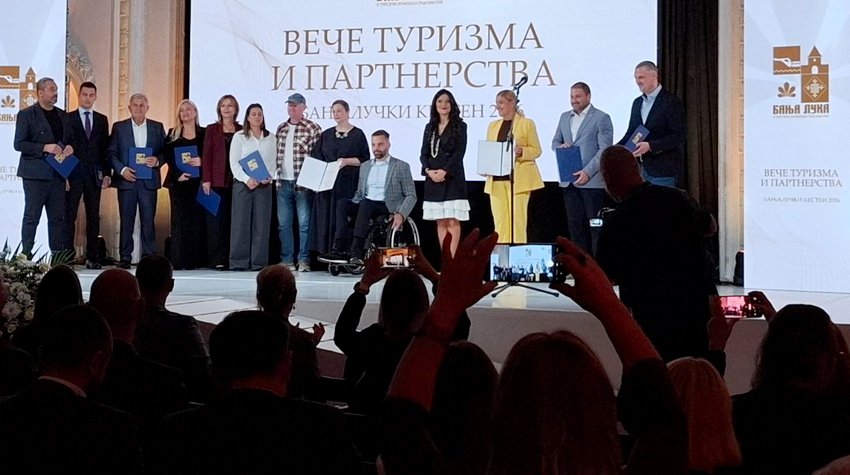
SEE SRPSKA RECEIVES CHARTER FROM BANJA LUKA TOURIST ORGANIZATION
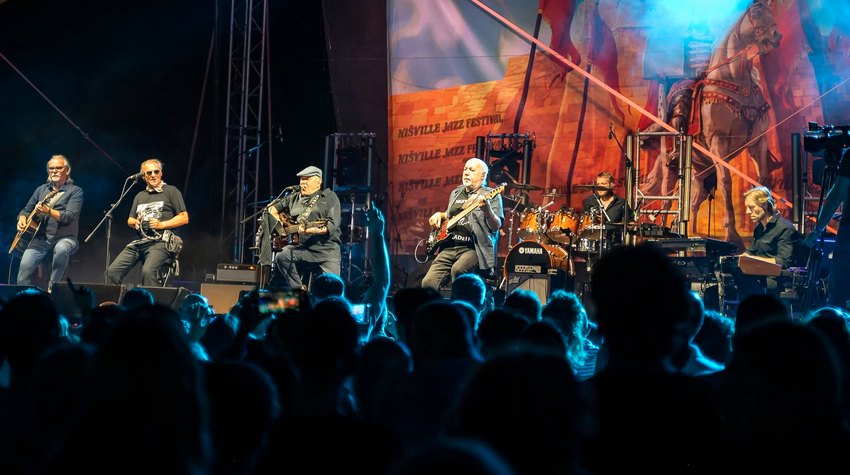
GALIJA TO CELEBRATE MAJOR ANNIVERSARY IN BANJA LUKA
SEE SRPSKA RECEIVES CHARTER FROM BANJA LUKA TOURIST ORGANIZATION
NEW RAIL LINK BETWEEN REPUBLIKA SRPSKA AND SERBIA: DAILY TRAIN SERVICE FROM ZVORNIK TO BELGRADE
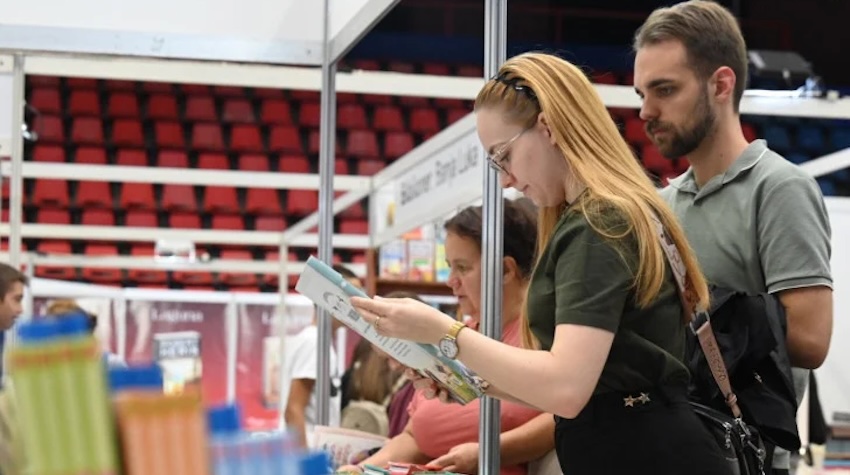
BANJA LUKA BOOK FAIR 2026 OPENS TODAY
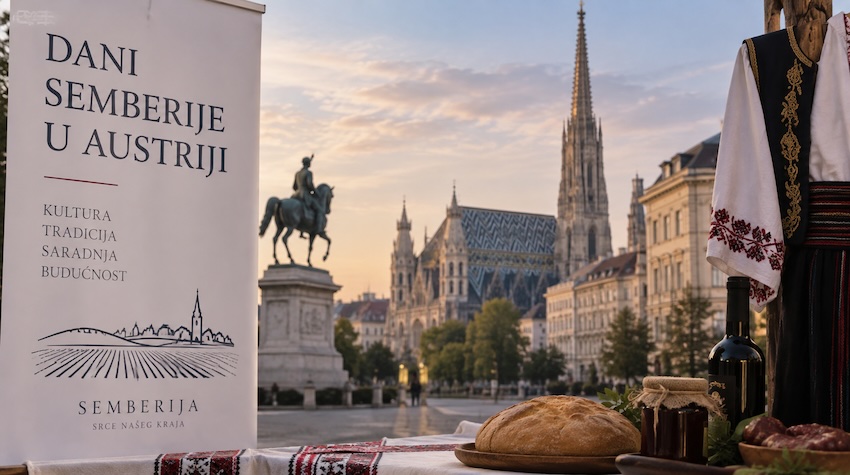
DAYS OF SEMBERIJA IN AUSTRIA: CULTURE, TRADITION AND LOCAL PRODUCTS PRESENTED TO AUSTRIAN AUDIENCES
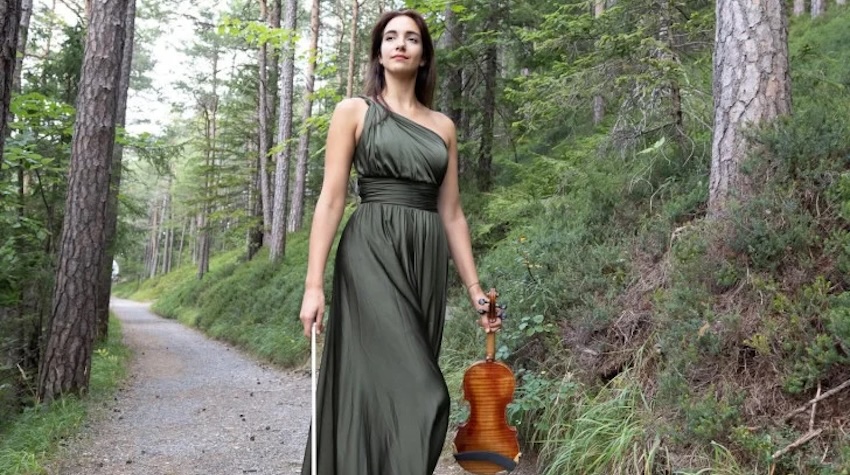
FROM EUROPEAN STAGES TO HER HOMETOWN: JOVANA RALJIĆ BRINGS VIVALDI TO BANJALUKA

 The situation at the border crossings