OFFLINE IS THE NEW LUXURY – ENJOYING LIFE BEYOND THE SCREEN
Once, the goal of digital platforms was simple: keep you online for as long as possible. Today, a completely opposite concept is emerging—apps that actually want you to leave. Not metaphorically, but literally. To step outside, meet people, and return to a life that doesn’t fit inside a screen.
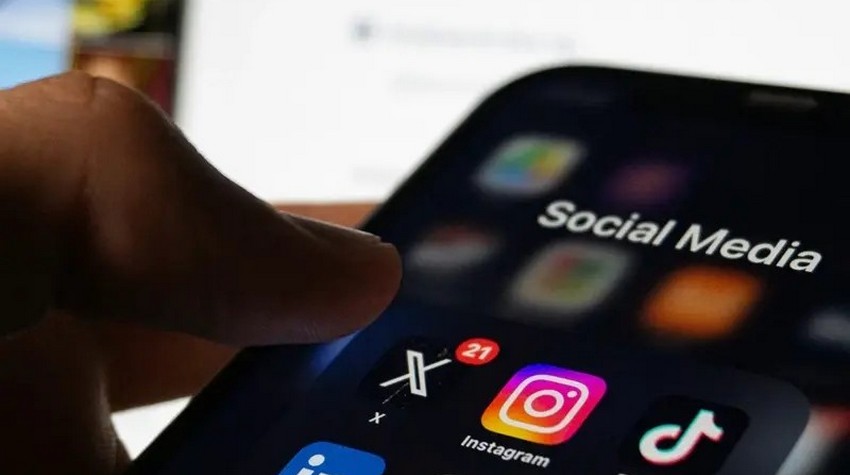
The app Bond is perhaps the most direct
example of this new approach. It openly challenges the logic of the endless
feed. There are no ads, no follower counts, no infinite scrolling. Instead,
users share so-called “memories”—photos, voice notes, or text—and the app uses
this data to suggest real-life activities. It recommends where to go, what to
watch, and who to meet. Bond is designed as a tool that reduces time spent on
the phone and speeds up decision-making, helping users move from scrolling to
actual experiences as quickly as possible.
At first glance, it sounds like a paradox. Why
would an app work against its own purpose? Precisely because that purpose has
become part of the problem.
The End of Infinite Scrolling
Traditional social media platforms rely on a simple
principle: the more time you spend on them, the better it is for the platform.
Algorithms are optimized to keep users engaged, and the content never
ends—there is always something new to see.
A new generation of apps is moving in the
opposite direction. There are no endless feeds. No algorithmic hooks. In some
cases, there isn’t even a need for the internet.
Take, for example, concepts like Bitchat—an
app that enables communication without a network, using Bluetooth and direct
connections between users. This means interactions are limited to your physical
surroundings and the people near you, turning digital communication into
something tangible and immediate.
In other words, the app exists—but it doesn’t
keep you inside. It pushes you outward.
Social Media Without the Noise
At the same time, a wave of decentralized
platforms is gaining momentum. Apps like Nos, or systems built on protocols
such as Nostr, give users greater control over what they see—without ads or
algorithmic manipulation.
Feeds are chronological. Content comes from
people you actually follow. There are no forced recommendations or intrusive
posts.
The result? Less time on your phone, and more
focus on real relationships.
A Return to Real Experiences
Interestingly, research shows that digital
networks can directly influence real-world behavior—sometimes even increasing
physical activity and social interaction.
But the key difference lies in who’s in
control. Older platforms pull you toward the screen. New ones push you away
from it.
This shift is also visible in emerging
formats: apps that limit usage time, prevent content editing, or encourage
spontaneous sharing without filters or polish. Even major tech companies are
experimenting with these ideas, trying to reduce pressure and restore
authenticity to online communication.
Less Content, More Life
At its core, this isn’t a story about
technology—it’s a story about balance.
For years, we built a digital world that
became highly efficient at capturing attention. Now, new solutions are trying
to give that attention back to the user
Fewer notifications. Less scrolling. More
real-life encounters.
Perhaps that is the greatest luxury today—not
another app, but a reason to close it.
And if current trends are any indication, the
future of social media won’t be measured by how long you stay online—but by how
quickly it sends you offline.

Join our
Viber Community
TRAVELING BY CAMPERVAN FOR THE FIRST TIME? HERE’S WHAT YOU SHOULD KNOW BEFORE YOU GO

NEW RAIL LINK BETWEEN REPUBLIKA SRPSKA AND SERBIA: DAILY TRAIN SERVICE FROM ZVORNIK TO BELGRADE
‘DRŽAVNI POSAO’ CREW FILMS NEW PROJECT IN TREBINJE

SEE SRPSKA RECEIVES CHARTER FROM BANJA LUKA TOURIST ORGANIZATION
GALIJA TO CELEBRATE MAJOR ANNIVERSARY IN BANJA LUKA
SEE SRPSKA RECEIVES CHARTER FROM BANJA LUKA TOURIST ORGANIZATION
NEW RAIL LINK BETWEEN REPUBLIKA SRPSKA AND SERBIA: DAILY TRAIN SERVICE FROM ZVORNIK TO BELGRADE

BANJA LUKA BOOK FAIR 2026 OPENS TODAY
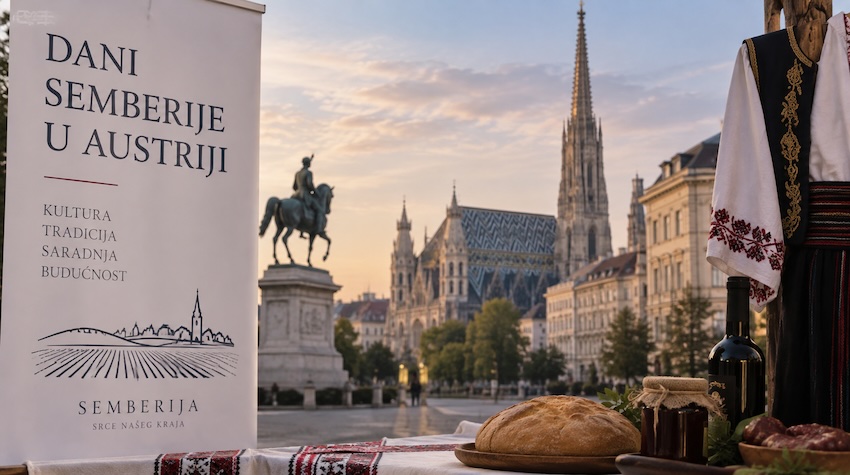
DAYS OF SEMBERIJA IN AUSTRIA: CULTURE, TRADITION AND LOCAL PRODUCTS PRESENTED TO AUSTRIAN AUDIENCES
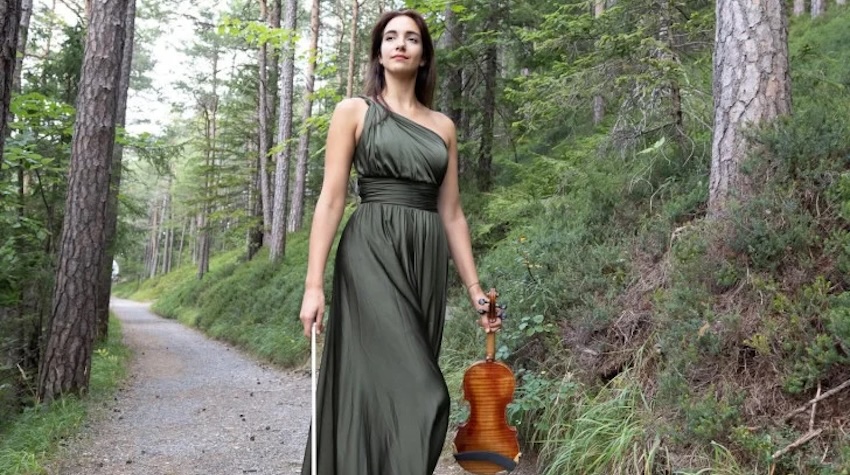
FROM EUROPEAN STAGES TO HER HOMETOWN: JOVANA RALJIĆ BRINGS VIVALDI TO BANJALUKA


 The situation at the border crossings