ĆIRO TRAIL BRINGS NEW MOMENTUM TO TREBINJE TOURISM
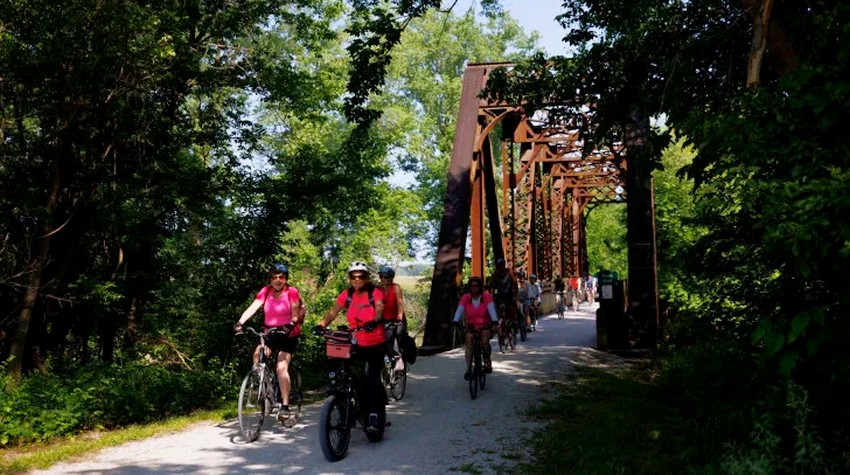
The City of Trebinje plans to continue developing the route along the former narrow-gauge railway known as the “Ćiro Trail” toward the borders with Montenegro and Croatia as part of the “Điro di Ćiro” project, according to Deputy Mayor Dražen Bošković.
Bošković
participated in panel discussions in Sarajevo focused on enhancing tourism
offerings and strengthening regional connectivity through the development of
modern cycling infrastructure, the City Administration announced.
He
noted that Trebinje has already invested in improving the cycling route along
the former Ćiro railway corridor and emphasized that the forum provided an
opportunity to exchange experiences with participants from across the region
and Europe. Discussions focused on how such investments contribute to the
development of local communities, the preservation of natural and cultural
heritage, and the creation of conditions for sustainable economic growth.
“Cycle
tourism is gaining significant momentum and represents an exceptional
opportunity for Trebinje to further enrich its tourism offer and attract a
larger number of visitors, cycling enthusiasts, and nature lovers,” Bošković
said.
He added that Trebinje’s participation in the forum demonstrates the city’s commitment to following modern trends in sustainable tourism development and actively engaging in initiatives that strengthen regional cooperation, tourism growth, and international recognition.
The
forum was organized by the World Bank and UNESCO on the occasion of World
Bicycle Day. It brought together representatives of institutions, local
communities, development partners, and experts from across the region to
exchange knowledge and experiences on the importance of greenways and
long-distance cycling routes for sustainable tourism and local economic
development
The
“Điro di Ćiro” project aims to transform more than 770 kilometers of the former
narrow-gauge railway network connecting Bosnia and Herzegovina, Serbia,
Montenegro, and Croatia into a unique transnational corridor dedicated to
sustainable mobility, recreation, and tourism, creating new opportunities for
regional development and cross-border cooperation.

Join our
Viber Community
THE PEOPLE PROTECTED THE SACRED ICON, BELIEVING IT WAS PROTECTING THEM: THE STORY OF THE ČAJNIČE KRASNICA

APPEAL FOR HELP: BLOOD DONORS URGENTLY NEEDED FOR NATAŠA ĆEJIĆ IN BANJA LUKA

NEW GENERATION OF STUDENT THEATRE MEMBERS TAKES THE STAGE

AUTUMN FRUITS AND HONEY FESTIVAL COMES TO BANJALUKA

DEJAN KOKANOVIĆ CONQUERS 336 KM THROUGH THE ITALIAN ALPS
DEJAN KOKANOVIĆ CONQUERS 336 KM THROUGH THE ITALIAN ALPS
APPEAL FOR HELP: BLOOD DONORS URGENTLY NEEDED FOR NATAŠA ĆEJIĆ IN BANJA LUKA

OKTOBERFEST KICKS OFF IN MUNICH, EXPECTING 6.5 MILLION VISITORS
AUTUMN FRUITS AND HONEY FESTIVAL COMES TO BANJALUKA

SPANISH TRAVEL WRITER DISCOVERS THE GREEN SIDE OF BANJA LUKA


 The situation at the border crossings