A SWAMP IN SRPSKA IS HOME TO A 450-MILLION-YEAR-OLD FISH
In Velino Selo, near the confluence of the Drina and Sava rivers, lies the Gromiželj Swamp Special Nature Reserve – an exceptionally valuable, mysterious and fascinating area, known as an oasis of silence, legends and rare plant and animal species.
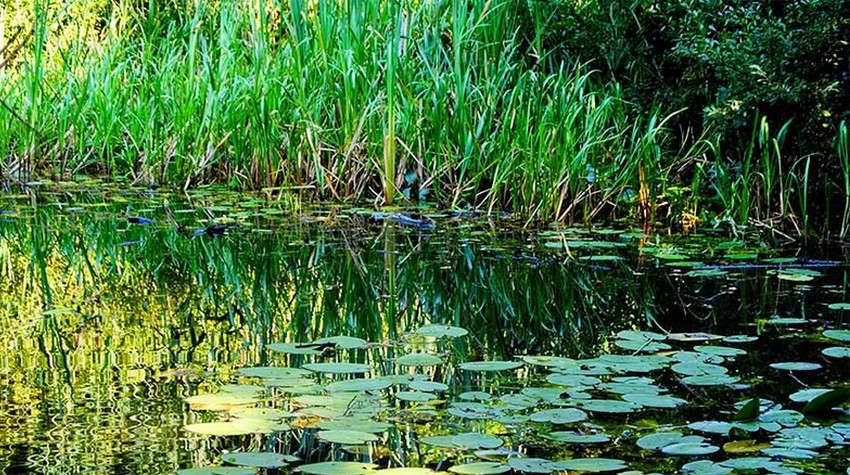
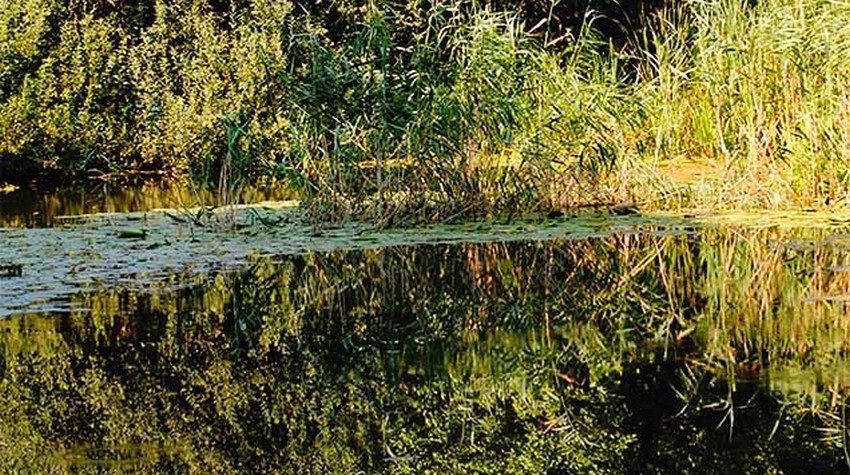
The swamp is elliptical in shape and lies on a
Sava river terrace, connected to an old channel of the Drina River. The
protected area covers 831 hectares, although the construction of an irrigation
system in the Semberija region significantly reduced the size of the wetland.
The most important part of the swamp is
Laketića Vir, which reaches a maximum depth of 3.75 metres. The site is located
at an altitude of around 80 metres above sea level and is believed never to
have completely dried up. Its bottom is covered by a thick layer of living mud.
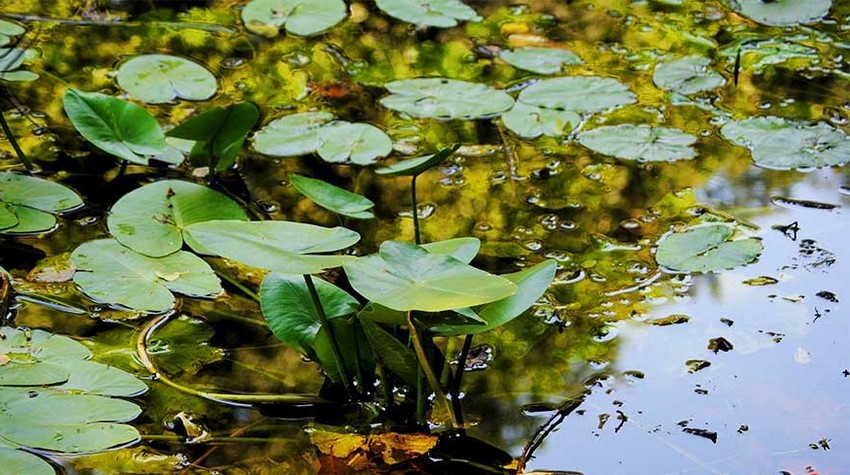
The plant and animal life represent the greatest value of this unique area. In addition to typical wetland vegetation, the reserve is home to species such as marsh nettle, water caltrop, marsh fern and yellow water lily.
The local fauna includes numerous typical
wetland species, as well as European pond turtles, marsh harriers, black
storks, purple herons and little egrets, according to the “Upoznaj Srpsku”
website.
However, the site became particularly well
known following the discovery of the European mudminnow (Umbra krameri),
locally known as “mrguda” or “crnka”. The fish was discovered by Žarko Vikić,
who took the specimen to renowned biologist Professor Dr Milenko Ćurčić for
identification. The professor immediately recognised the significance of the
discovery.
The European mudminnow is a small fish,
typically measuring between five and 10 centimetres in length. The species is
considered extremely ancient, with an evolutionary history dating back hundreds
of millions of years. It was once believed to have disappeared from this part
of Europe.
Today, the European mudminnow is considered a
rare, endemic and highly endangered species, included on lists of threatened
species. It has also been recorded in the Zasavica Special Nature Reserve near
Sremska Mitrovica, Serbia.
Gromiželj is now regarded as one of the
largest habitats of this remarkable species in Europe, making the remote
wetland near the Drina and Sava rivers an important destination for nature
lovers, researchers and visitors interested in the unique natural heritage of
the Republic of Srpska.

Join our
Viber Community









 The situation at the border crossings