DOCUMENTARY FILM ABOUT A KRAJINA VILLAGE ITS PEOPLE REFUSE TO FORGET COMPLETES FILMING
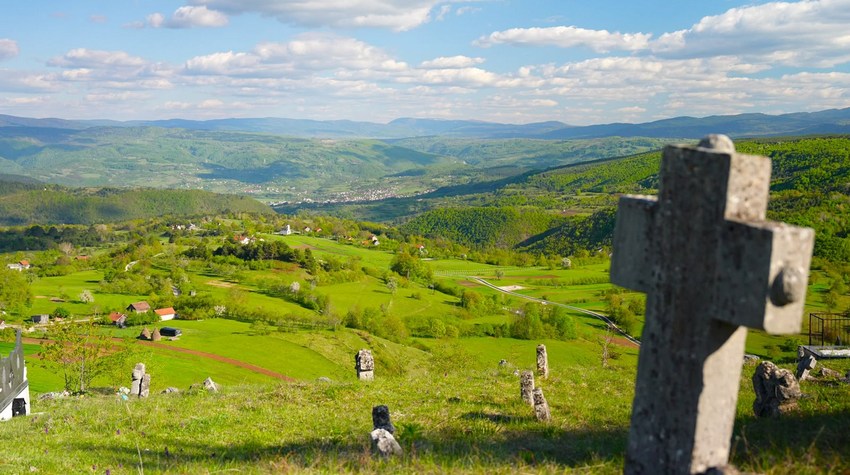
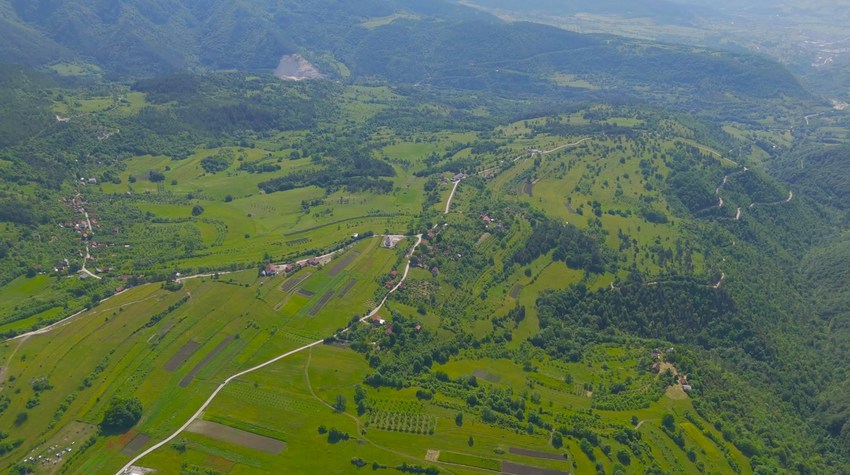
The feature-length documentary about Trnovo, a village in the municipalities of Šipovo and Mrkonjić Grad, will preserve its history, traditions and the stories of generations who have remained connected to their homeland. Featuring more than 20 interviewees, the film is expected to premiere in late December.
The
village of Trnovo, located in the municipalities of Šipovo and Mrkonjić Grad,
is soon to have its own cinematic story – one dedicated to preserving its
history, traditions, people and way of life for future generations.
Filming
of the feature-length documentary has recently been completed, following a
process that began in June 2025 and concluded in October 2026. The film was
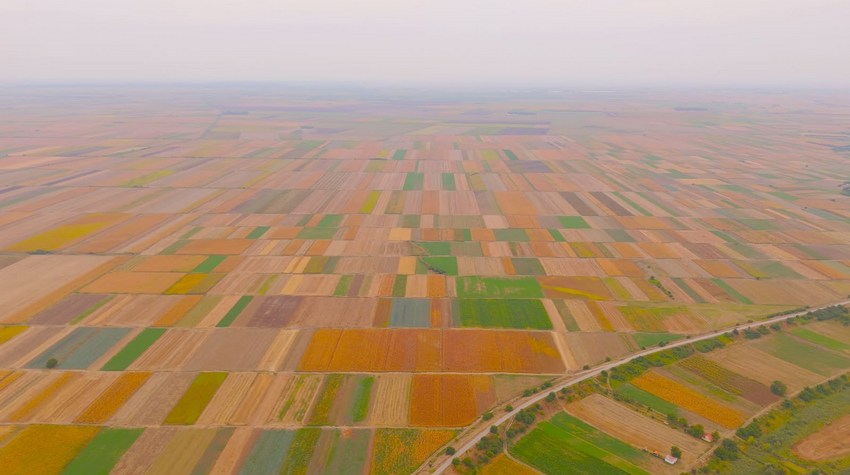
shot over 17 days in total, including 11 days in Trnovo and its surrounding
area, while the remaining six days were spent in Serbia's Vojvodina region,
documenting the stories of people originally from this part of Bosnia and
Herzegovina.
The
premiere is expected in late December this year.
FROM KRAJINA TO VOJVODINA: A STORY THAT CONNECTS HOMELANDS
Parts
of the documentary were filmed in Novi Sad, Čurug, Bečej and Sombor – towns
where many people originally from Trnovo and other parts of Bosanska Krajina
now live.
One of
the distinctive features of the project is that filming took place throughout
all four seasons, capturing the changing landscapes, natural surroundings and
atmosphere of the village at different times of the year. The passage of time
is also an important element of the film's narrative.
The
documentary is structured as a chronological journey through Trnovo's past and
present, beginning with its history and archaeological heritage before moving
towards contemporary life and the question of the village's future.
MORE THAN 20 INTERVIEWEES AND STORIES FROM DIFFERENT GENERATIONS
The
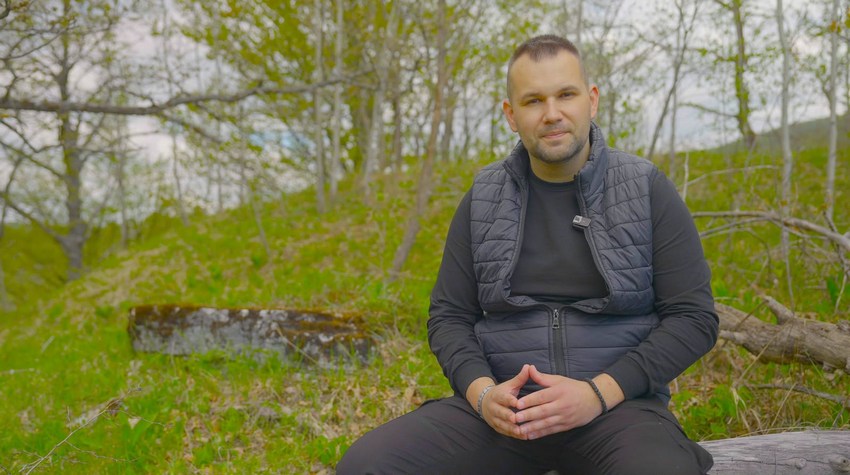
film is directed and written by Aleksandar Bijelić, who also serves as the
guide and narrator throughout this cinematic journey.
Alongside
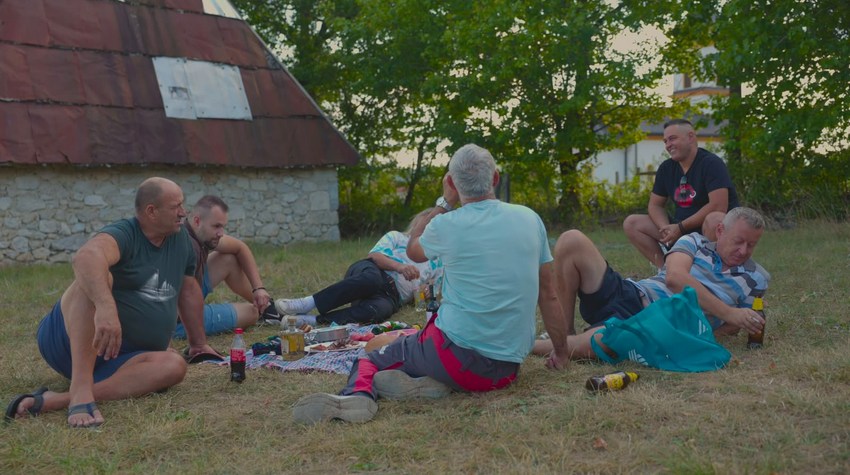
historical and archaeological topics, the documentary explores the social life
of the village and the everyday experiences of its residents. It features
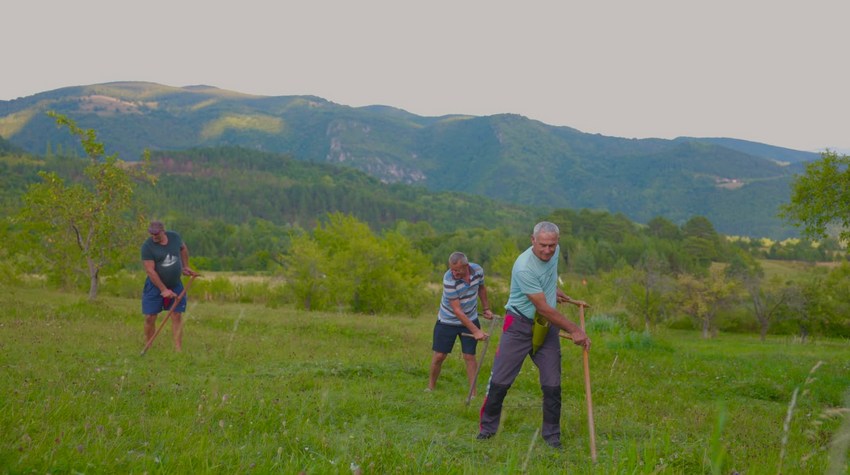
stories about childhood across several generations, school days, traditional
gatherings, community celebrations, infrastructure development, harvests,
haymaking and other customs and events that shaped life in Trnovo.
The
film also examines the area's geographical characteristics, terrain and natural
features, with its final chapter turning towards the future of the village.
More
than 20 interviewees from different generations appear in the documentary.
Their testimonies, memories and personal experiences provide a valuable record
of the people and times that shaped this part of Bosanska Krajina.
A PROJECT SUPPORTED BY PEOPLE WITH ROOTS IN TRNOVO
Producing
the documentary was a demanding undertaking, with almost every filming session
bringing unexpected challenges, ranging from adverse weather conditions to the
organisation of the crew and participants.
However,
the project would not have been possible without the financial support of
people originally from Trnovo, who recognised the importance of such a film and
provided the resources needed for its production.
Bijelić
says that making a film about his own village is both a great honour and an
even greater responsibility, particularly when the people whose story he is
telling have placed their trust in him and supported his vision.
Their
commitment, he believes, demonstrates how deeply the people of Trnovo remain
connected to their roots and how much they value film as a means of preserving
their cultural and local heritage.
A FILM TO KEEP TRNOVO ALIVE IN THE MEMORY OF FUTURE GENERATIONS
The
director believes that the documentary's value will grow over time, as it will
remain a lasting record of the homeland, its people, traditions and way of life
for generations to come.
As he
points out, the project represents much more than a film – it is an effort to
preserve the identity of a place and the memory of the generations who built
its community.
"I
believe this film will become increasingly valuable as time goes by. Future
generations will be able to see what our homeland was like and understand just
how important one's roots and place of origin are," Bijelić said.
He
emphasised that he had invested all the knowledge and experience he had gained
so far, as well as his heart and soul, into the project, adding that he was
proud of what had been achieved.
The
next stage is editing, after which the documentary will take its final shape.
Nevertheless, based on the screenplay, which Bijelić developed throughout the
filming process, and the footage collected, expectations are high.
One
sentence featured in the film perhaps captures the character, determination and
spirit of the people of Trnovo better than anything else:
"Even
when Trnovci don't want to, they will; even when they can't, they can!"
These
words could well serve as the perfect introduction to a documentary that will
present Trnovo to audiences in late December – telling the story of its past,
present and the people who, wherever they may live, have never forgotten their
homeland.

Join our
Viber Community
DOCUMENTARY FILM ABOUT A KRAJINA VILLAGE ITS PEOPLE REFUSE TO FORGET COMPLETES FILMING

ONE OF THE WORLD’S MOST PRIZED FUNGI GROWS IN THE FORESTS NEAR BANJALUKA
TESLIĆ BRINGS ITS TOURISM AND BUSINESS OFFERING TOGETHER ON A DIGITAL PLATFORM

TREBINJE TO HOST JAPANESE FILM FESTIVAL IN NOVEMBER
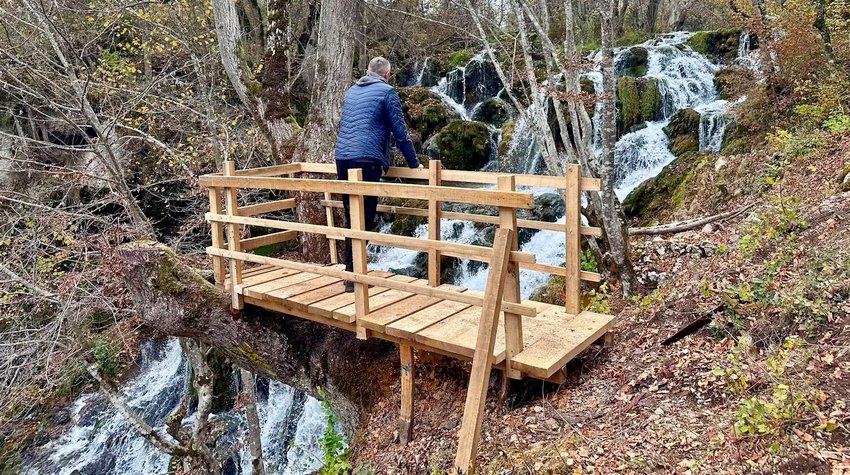
BEREG WATERFALL IN ROGATICA GETS NEW VIEWING PLATFORM FOR PHOTOGRAPHY
DOCUMENTARY FILM ABOUT A KRAJINA VILLAGE ITS PEOPLE REFUSE TO FORGET COMPLETES FILMING
BEREG WATERFALL IN ROGATICA GETS NEW VIEWING PLATFORM FOR PHOTOGRAPHY

FROM KOMLEN TO VALLEY OF HEROES: A NEW LOOK FOR A RESTAURANT IN TIENTIŠTE

MOUNTAINEER FROM TESLIĆ REACHES 7,126-METRE HIMALAYAN SUMMIT

BANJA LUKA AIRPORT ADDS EXTRA FLIGHTS TO TIVAT FOR THE HOLIDAY SEASON


 The situation at the border crossings