OLD CRAFTS – THE LIVING ATELIERS OF SARAJEVO
Traditional craftsmanship is becoming increasingly rare, yet a small number of dedicated artisans continue to preserve the spirit, heritage, and recognizable character of Sarajevo, the largest city in Bosnia and Herzegovina.
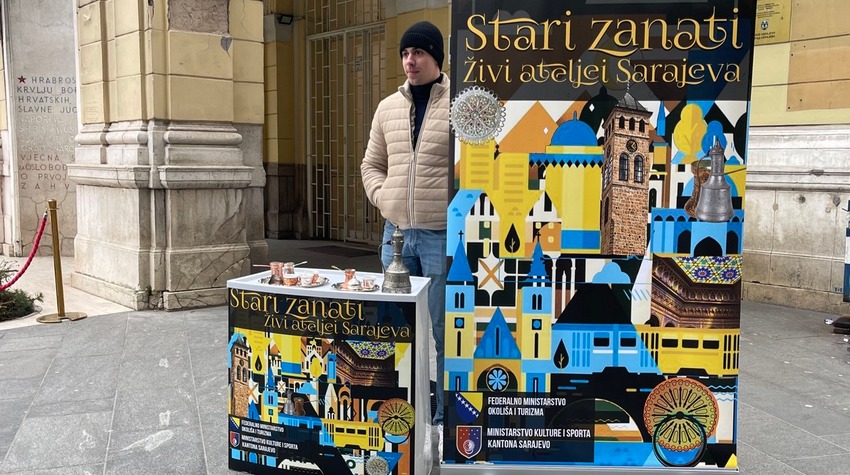
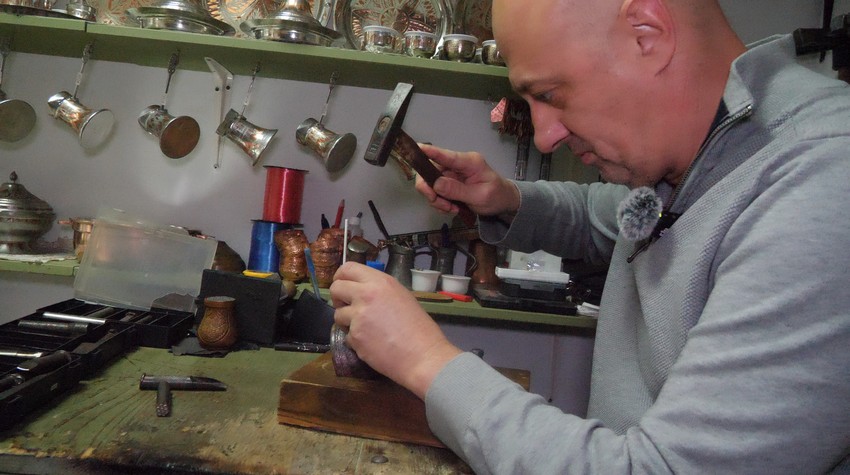
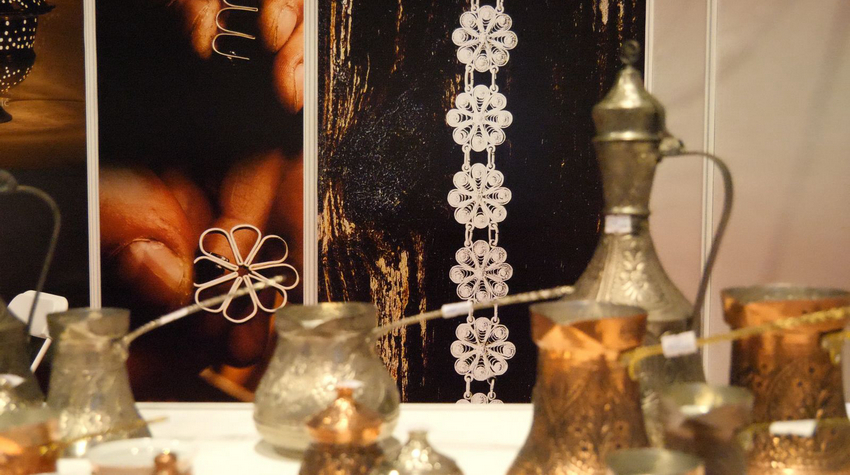
In
earlier times, craftsmanship was highly respected, and families who preserved
trade traditions held a place of honor on Sarajevo’s cobblestone streets.
Today, however, only a handful of artisans remain, struggling to survive amid
industrial production and mass-market replicas imported from abroad. Despite
these challenges, their workshops still safeguard the atmosphere of past
centuries, while every handmade item bears the mark of centuries-old skill,
patience, and knowledge.
Sarajevo,
a city of cultural encounters and long-standing tradition, is strongly
promoting its rich craft heritage through the campaign “Old Crafts – The Living
Ateliers of Sarajevo.” The project aims to preserve, modernly valorize, and
integrate traditional crafts into the cultural and tourism offer, recognizing
them as a vital part of the city’s intangible cultural heritage and the broader
identity of Bosnia and Herzegovina.
The
main goal of the project is the revitalization, preservation, and promotion of
old crafts as one of the most valuable forms of intangible cultural heritage of
the citizens living along the banks of the Miljacka River. Through this
mission, the initiative strengthens cultural identity, safeguards artisanal
knowledge, and encourages its transfer to future generations.
Project promotion began in September at the Sarajevo Tourism Fair, where craftsmen and their workshops were presented as authentic “living ateliers.”
Visitors had the
opportunity to explore a wide range of traditional skills and learn about their
relevance to contemporary tourism and cultural offerings. Strong interest from
both domestic and international visitors confirmed the relevance and value of
this concept. Particular attention was drawn to Ms. Nermina Alić, the only
female coppersmith in Sarajevo, whose presence challenged long-standing
stereotypes in a traditionally male-dominated craft. Alongside her, coppersmith
Edin Kazaz and filigree master Midhat Bećari also presented their work.
Following
the fair, activities continued across the streets of Sarajevo through
promotional stands and live craft demonstrations. Numerous traditional trades
that form the backbone of Sarajevo’s artisanal heritage were showcased,
including goldsmiths and filigree makers, coppersmiths, glassmakers,
blacksmiths, watchmakers, jewel engravers, pottery makers, and other crafts
that collectively preserve the continuity of craftsmanship in Sarajevo and the
Federation of Bosnia and Herzegovina.
A
special segment of the project focuses on the production of short documentary
videos featuring artisans and their crafts. These films document working
processes, personal stories of master craftsmen, and the authentic atmosphere
of traditional workshops. They serve as modern promotional and educational
tools, as well as a permanent digital archive of intangible cultural heritage.
The
concept of “living ateliers” emphasizes that craft workshops are not merely
points of sale, but spaces for interaction, education, and direct experience of
tradition. In this way, Baščaršija is affirmed as an open cultural and tourism
space, while old crafts are systematically integrated into the cultural and
tourism offer of the Federation of Bosnia and Herzegovina.
The core idea of the project is to position traditional crafts as a recognizable and vital component of the future cultural identity of the Federation of BiH—not only as remnants of the past, but as active resources of contemporary society.
By linking craftsmanship with tourism, culture, and education, the
project contributes to sustainable development and the strengthening of local
communities.
Promotional
activities were carried out until the New Year 2025, enriching Sarajevo’s
winter tourism offer. Due to exceptionally positive reactions from the public
and artisans alike, the project continues in 2026 with year-round promotion of
traditional crafts, aiming for their long-term inclusion in cultural and
tourism strategies of the Federation of BiH.
The
realization of the project has been supported by the Federal Ministry of
Environment and Tourism, the Ministry of Culture and Sports of Canton Sarajevo,
and the Ministry of Economy of Canton Sarajevo, further confirming its
importance for cultural development, tourism growth, and the preservation of
traditional values.
The
project “Old Crafts – The Living Ateliers of Sarajevo” clearly demonstrates
that traditional crafts remain a living value and a foundation of the future
cultural identity of Bosnia and Herzegovina—present, visible, and active in the
very space where they were born.

Join our
Viber Community
TRAVELING BY CAMPERVAN FOR THE FIRST TIME? HERE’S WHAT YOU SHOULD KNOW BEFORE YOU GO

NEW RAIL LINK BETWEEN REPUBLIKA SRPSKA AND SERBIA: DAILY TRAIN SERVICE FROM ZVORNIK TO BELGRADE
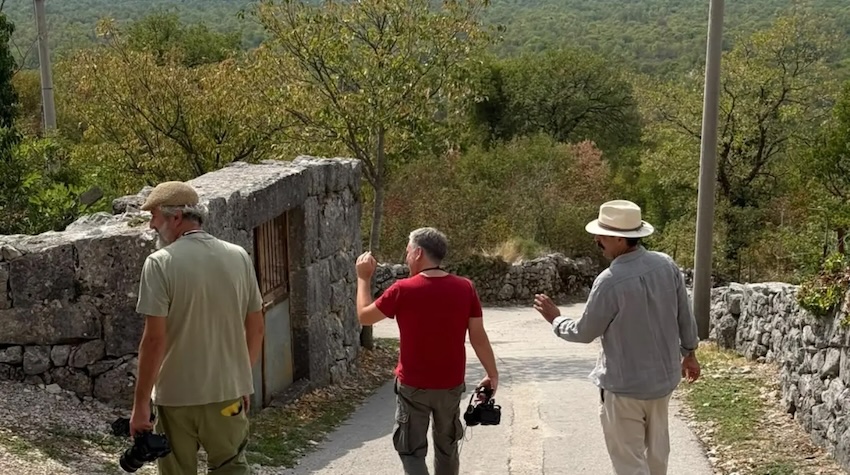
‘DRŽAVNI POSAO’ CREW FILMS NEW PROJECT IN TREBINJE
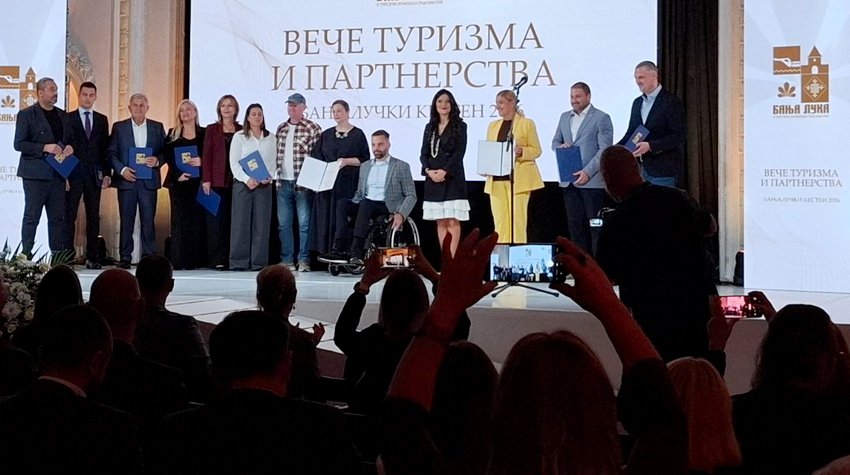
SEE SRPSKA RECEIVES CHARTER FROM BANJA LUKA TOURIST ORGANIZATION
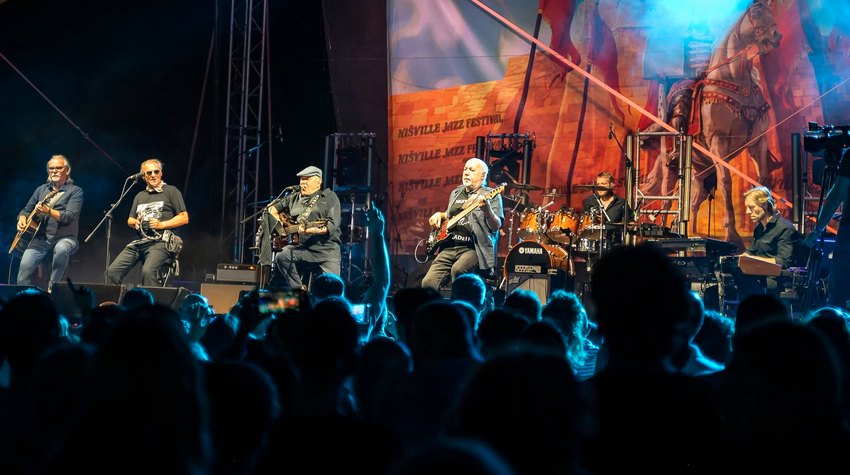
GALIJA TO CELEBRATE MAJOR ANNIVERSARY IN BANJA LUKA
SEE SRPSKA RECEIVES CHARTER FROM BANJA LUKA TOURIST ORGANIZATION
NEW RAIL LINK BETWEEN REPUBLIKA SRPSKA AND SERBIA: DAILY TRAIN SERVICE FROM ZVORNIK TO BELGRADE
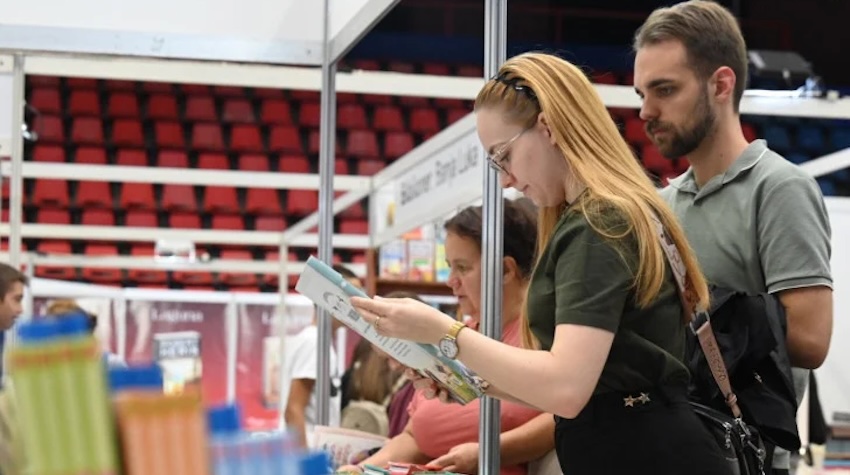
BANJA LUKA BOOK FAIR 2026 OPENS TODAY
DAYS OF SEMBERIJA IN AUSTRIA: CULTURE, TRADITION AND LOCAL PRODUCTS PRESENTED TO AUSTRIAN AUDIENCES
FROM EUROPEAN STAGES TO HER HOMETOWN: JOVANA RALJIĆ BRINGS VIVALDI TO BANJALUKA


 The situation at the border crossings