WHAT TO DO WITH CHRISTMAS WHEAT AFTER CHRISTMAS
Christmas customs among the Serbian people are deeply woven with symbolism, and Christmas wheat holds a special place among them. It is traditionally found on the Christmas table, along with the česnica bread and the badnjak (Yule log), and represents one of the most recognizable symbols of the holiday.
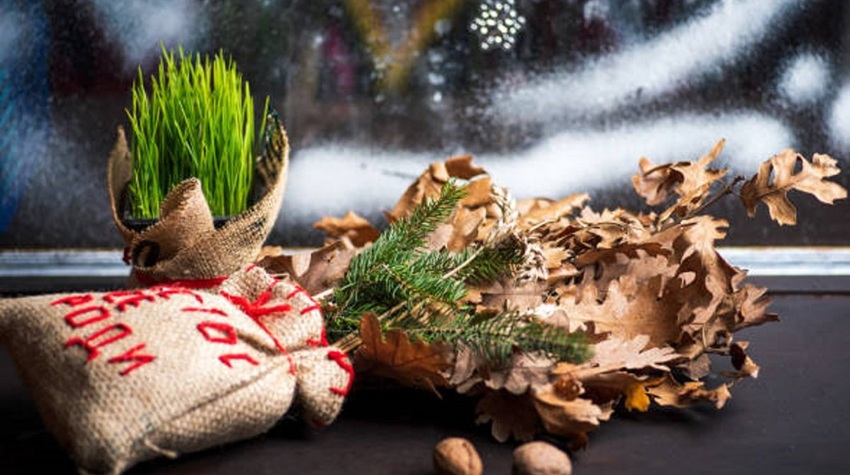
Its green color and lush growth are interpreted as a sign of nature’s revival and as a prediction of what the coming year will be like for the household.
In folk belief, thick and green wheat symbolizes a fertile, fruitful, and successful year. That is why special care is taken before Christmas to ensure that the wheat grows beautifully, healthily, and abundantly, as it is believed the coming year will be the same. In many homes it also has a decorative role, but its symbolism goes beyond aesthetics and reaches deep into the spiritual meaning of the holiday.
A special significance is also attached to the light of the candle or vigil lamp placed in the wheat. It is believed that the flame shining through the greenery illuminates the home with vitality, warmth, happiness, and peace throughout the entire coming year, making the wheat a powerful symbol of family protection.
Where is Christmas wheat taken and why must it never be thrown away?
On the second day of Christmas, the Synaxis of the Most Holy Mother of God, the Christmas wheat is taken out of the house. According to tradition, it no longer belongs inside, as the Christmas ritual cycle has ended. However, what is especially important is that the wheat must not be thrown away.
The wheat should be taken outside and placed on fruitful fruit trees so that the blessing is transferred to nature and to the future harvest. It is believed that in this way the trees will be more fruitful and the year more successful. If you live in a city and do not have a yard or fruit trees, the wheat should be placed on any tree – in a park, an apartment courtyard, or by the roadside.
It is important to find an appropriate place for it, because throwing the wheat away is believed in folk tradition to bring bad luck. This act symbolizes returning to nature what has come from it and expresses gratitude for all the gifts that the year brings.

Join our
Viber Community









 The situation at the border crossings