SEMBERIJA HIDES A MILLIONS-YEAR-OLD SECRET: THE PANNONIAN SEA ONCE COVERED THIS LAND
The fertile fields of Semberija conceal a “secret” that dates back tens of millions of years – this region was once submerged under the Pannonian Sea, which gradually disappeared due to geological processes and the rising of the land.

Deep beneath Semberija’s fields, within layers of rock, lies a story that continues to fascinate experts. In prehistoric times, the area was covered by the Pannonian Sea – shallow, warm, and teeming with life. Today, while agricultural machines harvest wheat, fossils beneath the soil quietly bear witness to this long-lost sea.
Semberija was once the seabed of the Pannonian Sea, a place where the history of Earth was written in stone. At the edge of today’s Bosnia and Herzegovina, in the Semberija plain beneath Majevica, the land may appear silent, but it remembers.
Millions of years ago, there were no forests, wheat fields, or villages here – only an inland sea, warm and shallow. In the ancient rocks beneath the ground, fossils tell the story of a vanished world.
Over time, as the Pannonian Sea receded, it left behind layers of sediment rich in fossils – shells, snails, turtles, and even corals. These remains help scientists reconstruct the appearance and life of this prehistoric sea.
At sites across Semberija, such as Gornja Pilica, geologists and paleontologists continue to uncover Miocene rocks and fossils, revealing the rich biological past of this region. The Pannonian Sea was once connected to the ancient Tethys Ocean, but it slowly disappeared as geological processes reshaped the land.

Join our
Viber Community
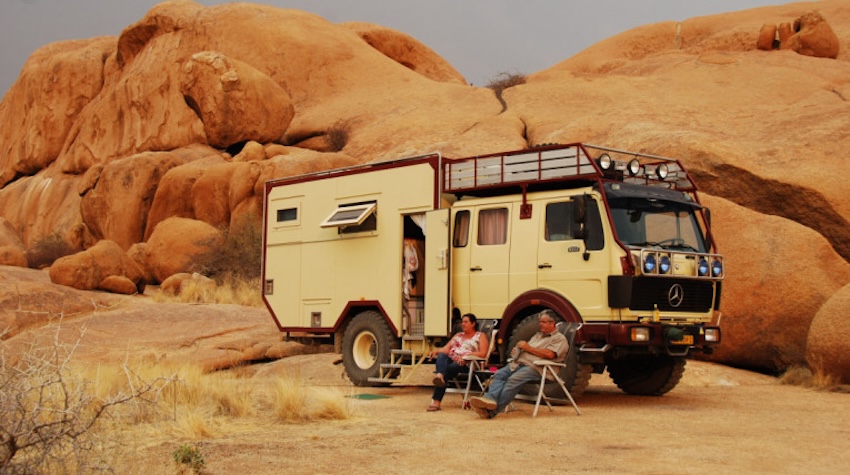
TRAVELING BY CAMPERVAN FOR THE FIRST TIME? HERE’S WHAT YOU SHOULD KNOW BEFORE YOU GO

NEW RAIL LINK BETWEEN REPUBLIKA SRPSKA AND SERBIA: DAILY TRAIN SERVICE FROM ZVORNIK TO BELGRADE
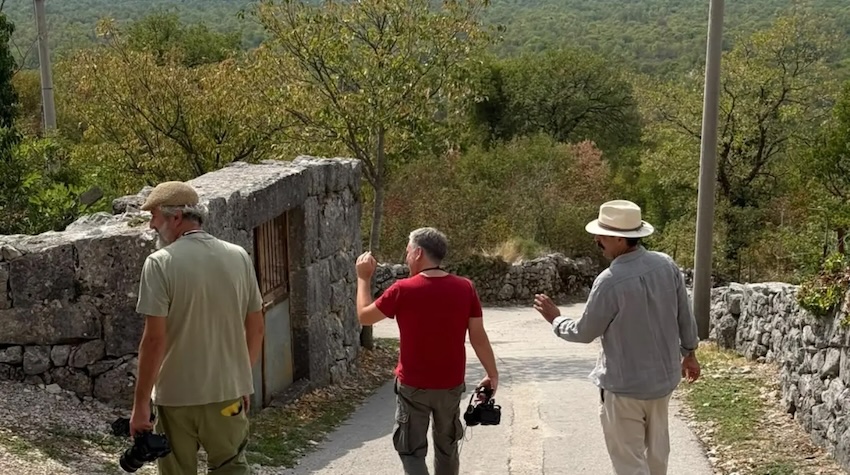
‘DRŽAVNI POSAO’ CREW FILMS NEW PROJECT IN TREBINJE

SEE SRPSKA RECEIVES CHARTER FROM BANJA LUKA TOURIST ORGANIZATION

GALIJA TO CELEBRATE MAJOR ANNIVERSARY IN BANJA LUKA
NEW RAIL LINK BETWEEN REPUBLIKA SRPSKA AND SERBIA: DAILY TRAIN SERVICE FROM ZVORNIK TO BELGRADE
SEE SRPSKA RECEIVES CHARTER FROM BANJA LUKA TOURIST ORGANIZATION

BANJA LUKA BOOK FAIR 2026 OPENS TODAY
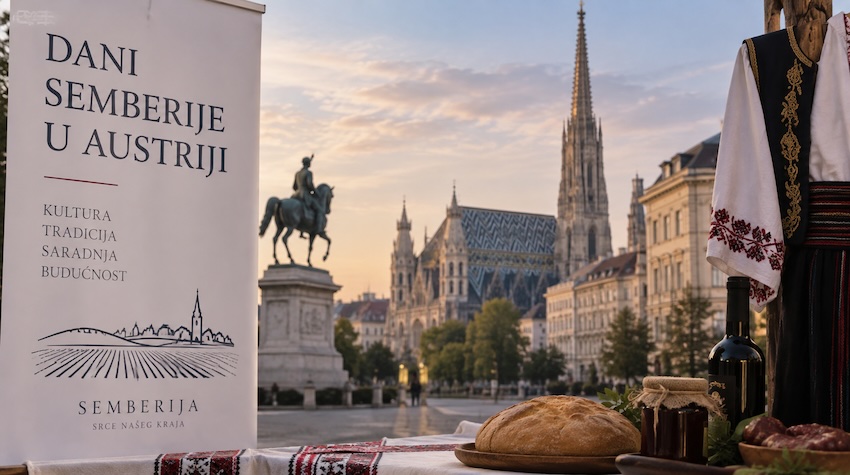
DAYS OF SEMBERIJA IN AUSTRIA: CULTURE, TRADITION AND LOCAL PRODUCTS PRESENTED TO AUSTRIAN AUDIENCES
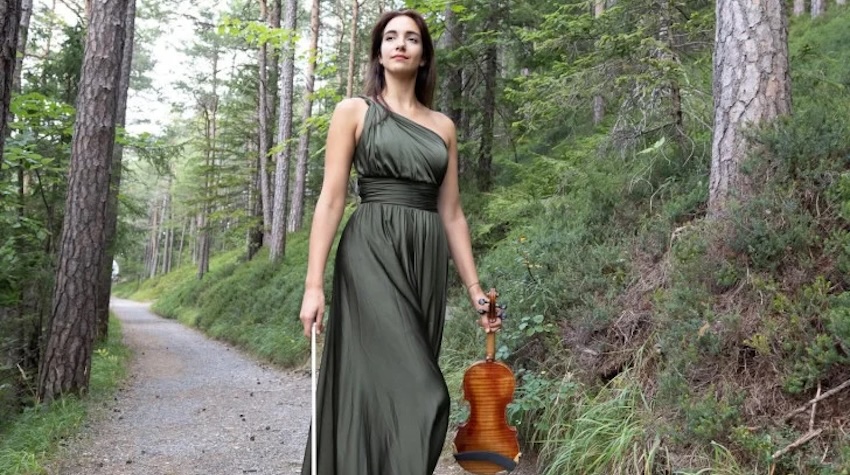
FROM EUROPEAN STAGES TO HER HOMETOWN: JOVANA RALJIĆ BRINGS VIVALDI TO BANJALUKA


 The situation at the border crossings