FIBULAE, MILESTONE, AND AN ILLYRIAN CITY AT THE “LAST FOOTPRINT OF THE REPUBLIKA SRPSKA”
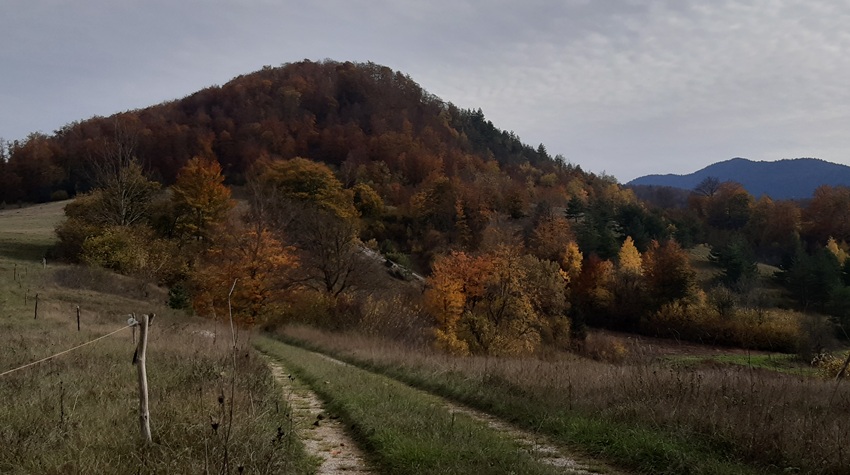
At the archaeological site of Stražbenica, located in the village of Bukovača between the municipalities of Drinić and Bosanski Petrovac—right along the inter-entity boundary line—ongoing excavations are shedding new light on the rich historical past of this region.
Among the movable archaeological finds, particularly notable is a fibula of the “variant V” type, dated to the 1st–2nd century, as well as a rare example of a bulbous fibula from the Late Antiquity period (4th–6th century).
These fibulae, typical Roman clothing fasteners, testify to daily life and the military and civilian structures of the time.
In addition to the fibulae, ceramic fragments have been discovered, indicating continuous habitation from prehistory through the early Middle Ages, further underlining the importance of this site.
Especially significant is a Roman milestone, stylistically similar to those along the Drvar–Petrovačko Polje route, believed to have been erected during the reign of Emperor Claudius.
A Roman horseshoe was also found, further confirming the strategic importance of this area within the Roman communication network.
The significance of Stražbenica is not only archaeological but also symbolic.
This hill is home to the so-called “last footprint of the Republika Srpska,” marking its farthest administrative reach. The site also holds historical weight—it preserves the remains of the Illyrian city of Seration, where, according to historical sources, Roman Emperor Tiberius achieved an important victory in the Batonian Uprising in 7 AD.
The finds from Stražbenica enhance our understanding of the strong ties between local communities and major ancient centers such as Siscia and Salona, making this site exceptionally valuable for the study of Roman and Late Antique history in Bosnia and Herzegovina.

Join our
Viber Community
TRAVELING BY CAMPERVAN FOR THE FIRST TIME? HERE’S WHAT YOU SHOULD KNOW BEFORE YOU GO

NEW RAIL LINK BETWEEN REPUBLIKA SRPSKA AND SERBIA: DAILY TRAIN SERVICE FROM ZVORNIK TO BELGRADE
‘DRŽAVNI POSAO’ CREW FILMS NEW PROJECT IN TREBINJE

SEE SRPSKA RECEIVES CHARTER FROM BANJA LUKA TOURIST ORGANIZATION

GALIJA TO CELEBRATE MAJOR ANNIVERSARY IN BANJA LUKA
SEE SRPSKA RECEIVES CHARTER FROM BANJA LUKA TOURIST ORGANIZATION
NEW RAIL LINK BETWEEN REPUBLIKA SRPSKA AND SERBIA: DAILY TRAIN SERVICE FROM ZVORNIK TO BELGRADE

BANJA LUKA BOOK FAIR 2026 OPENS TODAY

DAYS OF SEMBERIJA IN AUSTRIA: CULTURE, TRADITION AND LOCAL PRODUCTS PRESENTED TO AUSTRIAN AUDIENCES

FROM EUROPEAN STAGES TO HER HOMETOWN: JOVANA RALJIĆ BRINGS VIVALDI TO BANJALUKA


 The situation at the border crossings