PORTUGAL: A PLACE WHERE TOURISTS FEEL AT HOME
When you blend the Atlantic with the Mediterranean, sea with land, sunshine with strong ocean rains, and the traditions of people from across the Iberian Peninsula, you get a mix of pure enjoyment.
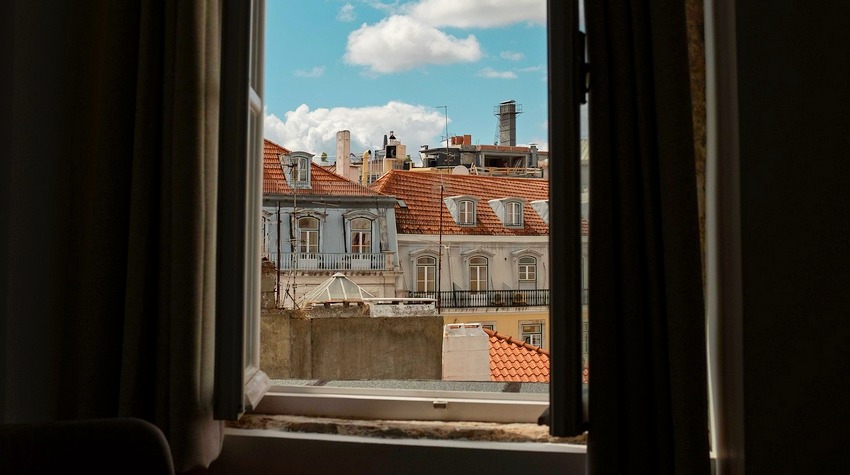
Portugal
— a maritime nation with a rich history, deep-rooted traditions and a proud
people — is a revelation for most travellers visiting this part of the world
for the first time. For visitors from the Balkans, especially, the first
impression is unmistakable: “It feels like home.” And that feeling lasts until
the end of the journey.
A
FOUR-CENTURY-OLD ESTATE FULL OF SCENTS, COLORS AND STORIES
The
orange tree at the entrance to the home of Arthur Faria Carvalho had already
ripened, and even in December, the colors of his four-century-old estate remain
strikingly vivid. So are the scents — mostly of hearty rural food and wine, as
we would soon learn.
If you
find yourself in a small village between Braga and Guimarães called Caldas das
Taipas, the gracious hosts will introduce you to their estate founded in 1720,
as well as to their winemaking traditions. Before long, you’ll be sitting at a
table in a setting that evokes the late Middle Ages. With a crackling fire in
the fireplace, guests can play billiards, listen to old vinyl records, or read
original National Geographic editions from the late 1940s.
“People
can spend the night here, though most come to taste our wine. Last year we had
nearly 3,000 wine-tourism visitors — not overnight guests — plus another 350
who stayed with us during the season. We sell 80% of our wine directly to our
visitors, which is excellent. We also supply some local taverns,” Arthur told
us enthusiastically.
“We
produce red vinho verde, but also alicante bouschet, a variety from the south
of France. It usually grows in southern Portugal, but I planted it here to
create something different. We also make syrah, an international variety we use
to create a very nice, smooth rosé.”
But
words alone cannot capture what followed — the experience was far richer and
more intense. From the table setting to the crystal glasses, especially the
deep red ones, everything reflected tradition and elegance. A tasting of four
wines, with the dessert wine stealing the spotlight, proved why this rural
estate is considered one of the finest in northern Portugal.
PEOPLE
WHO COMBINE WORK AND PLEASURE
Alexandre
Kamel and Hugo Marcos from the International Committee of Tourism Film
Festivals (CIFFT) are largely responsible for introducing around 100 travel
enthusiasts, tourism-film producers and journalists to the charms of Portugal.
By organizing the 37th award ceremony, they continued a tradition that connects
nations, cultures and the creative industry.
CIFFT
Director Alexandre Kamel hinted at big surprises ahead — including the
possibility of next year’s ceremony being held in Morocco.
“We
had an incredible event. My team did an excellent job, with great support from
the mayor and his office. It’s always impressive to see the happiness and
satisfaction of both film producers and the clients who commission these films.
The coming years will be challenging — we always look for ways to improve, and
it’s difficult because we raise the bar every time,” Kamel said.
“MUST
TASTE IT” — THE FLAVORS OF PORTUGAL
For
food lovers, Portugal is a treasure. You must try their bacalhau — whether
baked, served with sauces, or stewed. The richness of flavors is surprising,
even for Balkan tastes. Another dish that wins everyone over is arroz de
tamboril, a monkfish risotto with shrimp.
Beef
is served often, and it’s extremely rich and intense in flavor — so be mindful
of the portions. It is usually slow-cooked for hours, braised in wine, or
simmered in various sauces. I must admit that the famous francesinha sandwich
didn’t win me over — nor did its sauce, which resembles a thick soup in which
the sandwich is served.
But
the sausages, pork products, chicken in sauce served at the rural estate, and
the extraordinary seafood — all deserve the highest praise.
As for
desserts, the biggest challenge for those who prefer chocolate-free options is
the iconic pastel de nata, delicate pastry cups filled with sweet egg-yolk
custard. Personally, I preferred folhado de pêra, a flaky pastry filled with
various creams or fruits. I tried it with pear, cream and ice cream — and it
was unforgettable.

Join our
Viber Community

TRAVELING BY CAMPERVAN FOR THE FIRST TIME? HERE’S WHAT YOU SHOULD KNOW BEFORE YOU GO

NEW RAIL LINK BETWEEN REPUBLIKA SRPSKA AND SERBIA: DAILY TRAIN SERVICE FROM ZVORNIK TO BELGRADE
‘DRŽAVNI POSAO’ CREW FILMS NEW PROJECT IN TREBINJE
SEE SRPSKA RECEIVES CHARTER FROM BANJA LUKA TOURIST ORGANIZATION
GALIJA TO CELEBRATE MAJOR ANNIVERSARY IN BANJA LUKA
NEW RAIL LINK BETWEEN REPUBLIKA SRPSKA AND SERBIA: DAILY TRAIN SERVICE FROM ZVORNIK TO BELGRADE
SEE SRPSKA RECEIVES CHARTER FROM BANJA LUKA TOURIST ORGANIZATION
BANJA LUKA BOOK FAIR 2026 OPENS TODAY
DAYS OF SEMBERIJA IN AUSTRIA: CULTURE, TRADITION AND LOCAL PRODUCTS PRESENTED TO AUSTRIAN AUDIENCES
FROM EUROPEAN STAGES TO HER HOMETOWN: JOVANA RALJIĆ BRINGS VIVALDI TO BANJALUKA


 The situation at the border crossings