KOCA: THE NEW GENERATION OF MODELING CULTURE EMERGES IN BOSNIA AND HERZEGOVINA
The modular kiosk concept "Kocka" from the Sarajevo-based company KulinWorld recently received the prestigious German Design Award, one of the most renowned international accolades in the design industry. This recognition highlights the innovation and future potential of the project, says Senada Demirović, CEO of mRwg doo, an architectural firm within KulinWorld, which received the award in Germany last month.

"Kocka is much more than a traditional kiosk system. It is a modular, sustainable, and technologically advanced architectural concept designed for the needs of modern cities and commercial spaces," Demirović explains to eKapija. "The idea was to create a flexible, autonomous, and adaptable solution that offers a high-quality, functional, and aesthetically appealing alternative for urban and commercial spaces. Thanks to its modular design, Kocka can be used in various ways, whether as a coffee-to-go stand, a retail point, an information kiosk, or an autonomous sales unit. Sustainability is at the forefront: high-quality materials, energy-efficient concepts, and digital control systems ensure eco-friendly operation and maximum efficiency."
The call for participation in the German Design Award came as a result of the growing international attention Kocka has garnered within the professional community. The concept impressed the jury with its innovative design, sustainability, and intelligent use of technology. The award confirms Kocka’s relevance as a futuristic concept for modern urban infrastructure.
The development of Kocka was an interdisciplinary process that took place over an extended period. "Close collaboration between architects, designers, and technology teams enabled the realization of a highly flexible, sustainable, and intelligent architectural concept. The focus was on high-quality materials, energy-efficient technologies, and digital control, which allow for sustainable use. With Kocka, we have created a new generation of modular architecture, a solution that combines design, functionality, and sustainability, adaptable to the demands of modern cities and businesses," says Demirović.
FOCUS ON EUROPE AND THE MIDDLE EAST
Demirović adds that Kocka has long passed the conceptual phase and is now in the production and implementation stages. The first units are already being realized, and interest in this innovative concept continues to grow. "The concept is particularly in demand in areas where sustainable, modular, and highly functional architecture is needed, such as metropolises, transportation hubs, shopping centers, and smart city initiatives. We have already received numerous inquiries from hospitality businesses, municipal authorities, event organizers, and technology partners seeking innovative, scalable solutions. Cities that want to implement smart infrastructure concepts see Kocka as a viable solution for integrating efficient and sustainable sales and service spaces. Europe and the Middle East are the primary markets where this concept is actively being promoted. There is significant demand in these regions for innovative and self-sustaining sales models that are flexible, energy-efficient, and architecturally appealing," Demirović explains.
SELF-SUSTAINABLE SOLUTION
The continued development of the concept follows a clear vision: maximum flexibility, sustainable innovation, and technological integration. The goal is to continuously optimize the concept and expand it into new markets and applications.
One of the key focuses is further automation and digitization. By integrating robotics, AI-based ordering systems, and smart control technologies, Kocka will evolve into a fully self-sustaining solution. This will enable even more efficient operations, reduce operational costs, and enhance the user experience through innovative interaction possibilities.
Another developmental goal is the scalability of the modular design. Sustainability remains a key principle. In addition to increased use of eco-friendly materials and energy-efficient technologies, the team is exploring new approaches for utilizing renewable energy sources and energy-saving production methods.
"We are exploring opportunities to expand into regions where autonomous sales and service concepts are gaining increasing importance. This includes markets that are strongly focused on smart cities, innovative retail concepts, and sustainable urban architecture. Our long-term goal is to establish this concept globally and position it as a leading model for smart, sustainable infrastructure," Demirović concludes.
FROM KULIN BAN TO KULIN WORLD
KulinWorld is a family-owned company that merges technology, design, and entrepreneurship to create sustainable innovations. Founded with the belief that progress comes through interdisciplinary collaboration, KulinWorld has strategically expanded its portfolio and entered the global market over the years.
"Our core competencies include digital transformation, cybersecurity, cloud technologies, and AI-supported applications. In addition, we operate in the fields of architecture, gastronomy, distribution, real estate, and private investments. This integrated approach enables us not only to transform business models but also to actively participate in shaping the markets of the future. Our philosophy is to connect visionary ideas with technological excellence. KulinWorld represents strategic foresight, sustainable development, and the ability to turn innovations into market-competitive solutions," says Almir Kulin, CEO of KulinWorld.
According to Kulin, the past year has been historic for KulinWorld in terms of both revenue and achievements. "We saw significant growth across almost all business areas and reached key strategic milestones. In the field of digitalization and artificial intelligence, through strategic partnerships—including AWS and other leading technology partners—we continued to expand our market position. Our digital business sectors developed innovative solutions for digital transformation and successfully implemented them. One of the key milestones was the initiation and conceptual development of the AUH Institute and the Institute for AI in the halal food industry. Both institutes are on the verge of official implementation and will play a crucial role in the development of AI-supported concepts for architecture, cultural heritage, urban planning, and the food industry. In sustainable architecture, Kocka, as a modular and sustainable concept, has managed to gain international recognition. The German Design Award is confirmation of the innovation and future potential of this project. We have also strategically expanded our portfolio in the field of premium residential units and sustainable urban development," Kulin concludes.

Join our
Viber Community
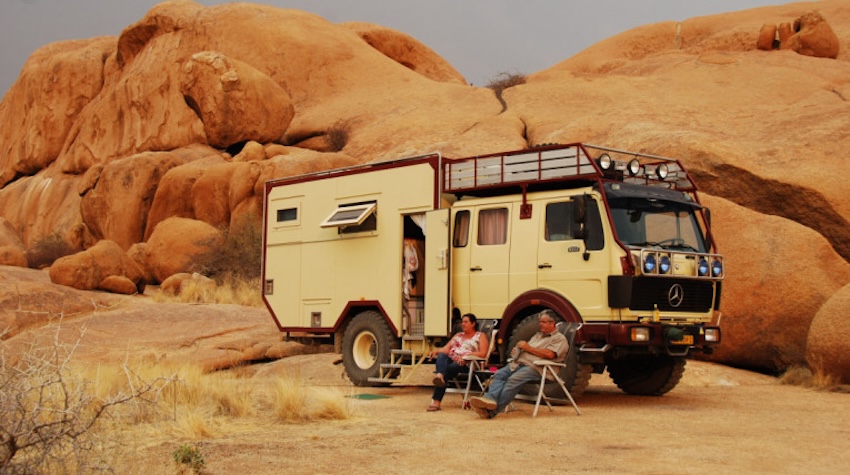
TRAVELING BY CAMPERVAN FOR THE FIRST TIME? HERE’S WHAT YOU SHOULD KNOW BEFORE YOU GO

NEW RAIL LINK BETWEEN REPUBLIKA SRPSKA AND SERBIA: DAILY TRAIN SERVICE FROM ZVORNIK TO BELGRADE
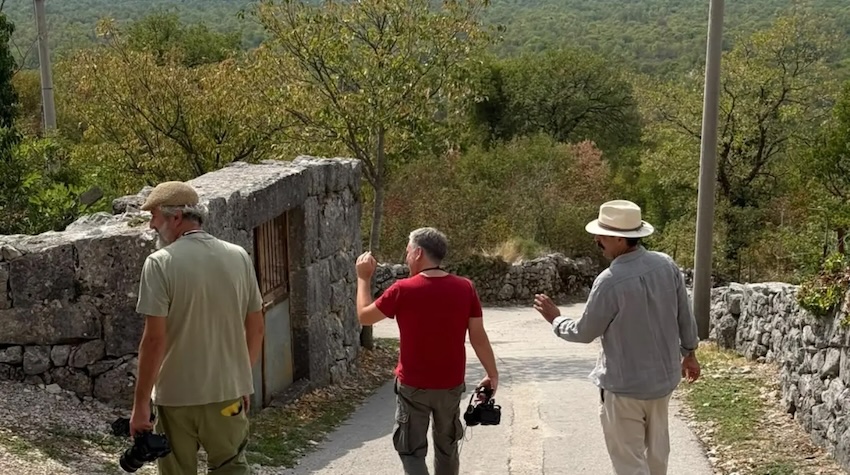
‘DRŽAVNI POSAO’ CREW FILMS NEW PROJECT IN TREBINJE
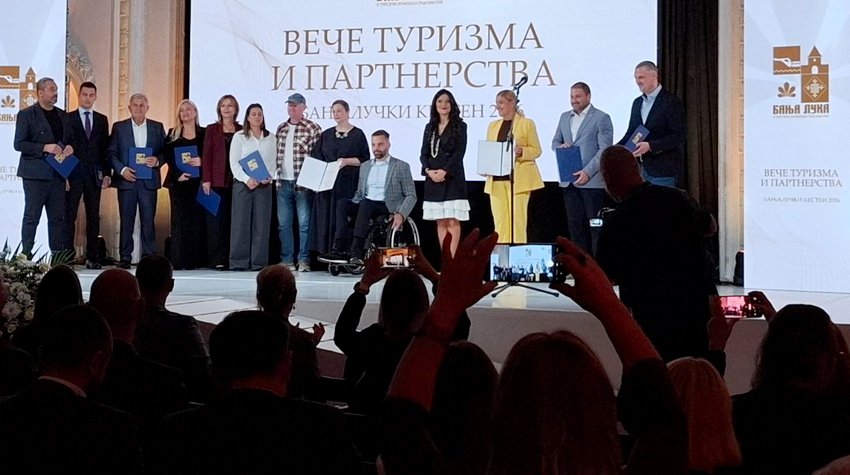
SEE SRPSKA RECEIVES CHARTER FROM BANJA LUKA TOURIST ORGANIZATION
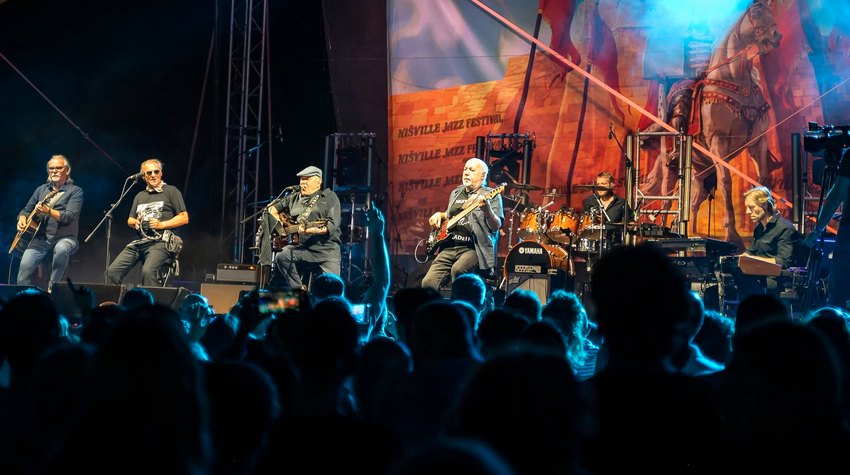
GALIJA TO CELEBRATE MAJOR ANNIVERSARY IN BANJA LUKA
SEE SRPSKA RECEIVES CHARTER FROM BANJA LUKA TOURIST ORGANIZATION
NEW RAIL LINK BETWEEN REPUBLIKA SRPSKA AND SERBIA: DAILY TRAIN SERVICE FROM ZVORNIK TO BELGRADE
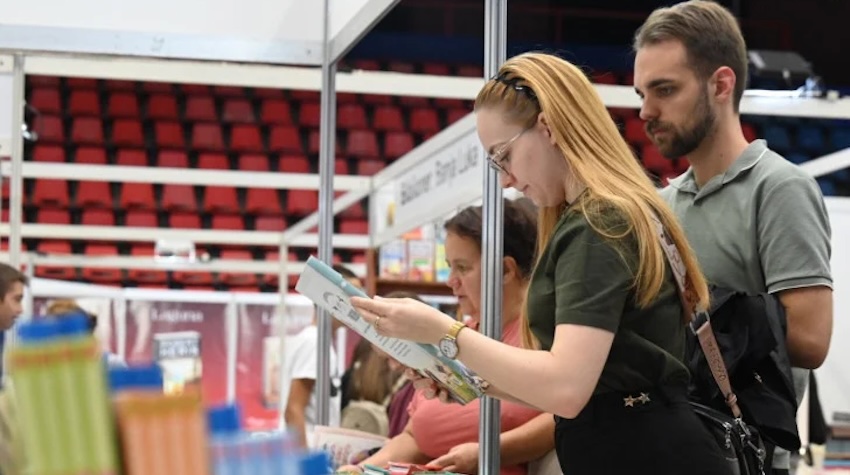
BANJA LUKA BOOK FAIR 2026 OPENS TODAY
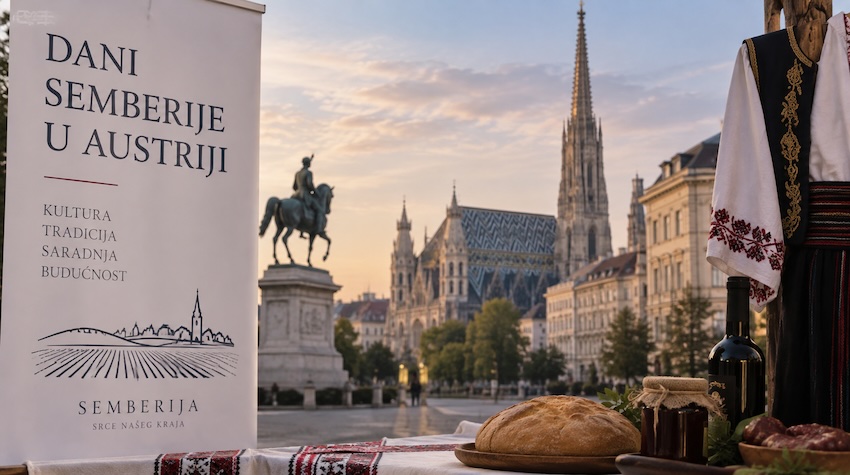
DAYS OF SEMBERIJA IN AUSTRIA: CULTURE, TRADITION AND LOCAL PRODUCTS PRESENTED TO AUSTRIAN AUDIENCES

FROM EUROPEAN STAGES TO HER HOMETOWN: JOVANA RALJIĆ BRINGS VIVALDI TO BANJALUKA


 The situation at the border crossings