ADJUST YOUR BIOLOGICAL CLOCK TO THE START OF WINTER TIME
On the night between Saturday and Sunday, specifically on October 27, the clocks will be turned back one hour — from 3:00 a.m. to 2:00 a.m. — marking the end of daylight saving time and the beginning of standard (winter) time.

According to the regulation in effect in most European countries, clocks will be set back by one hour, which means that the night between Saturday and Sunday will be 60 minutes longer. This change marks the transition to winter time, when days become shorter and nights longer.
Although this clock adjustment can affect daily routines, experts advise that during the first few days after the time change, people should adapt gradually to the new schedule to avoid insomnia and other sleep-related issues.

Join our
Viber Community
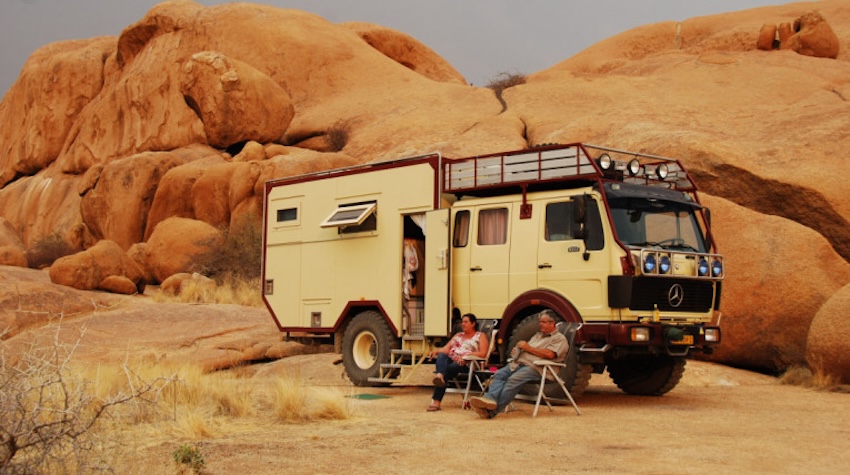
TRAVELING BY CAMPERVAN FOR THE FIRST TIME? HERE’S WHAT YOU SHOULD KNOW BEFORE YOU GO

NEW RAIL LINK BETWEEN REPUBLIKA SRPSKA AND SERBIA: DAILY TRAIN SERVICE FROM ZVORNIK TO BELGRADE
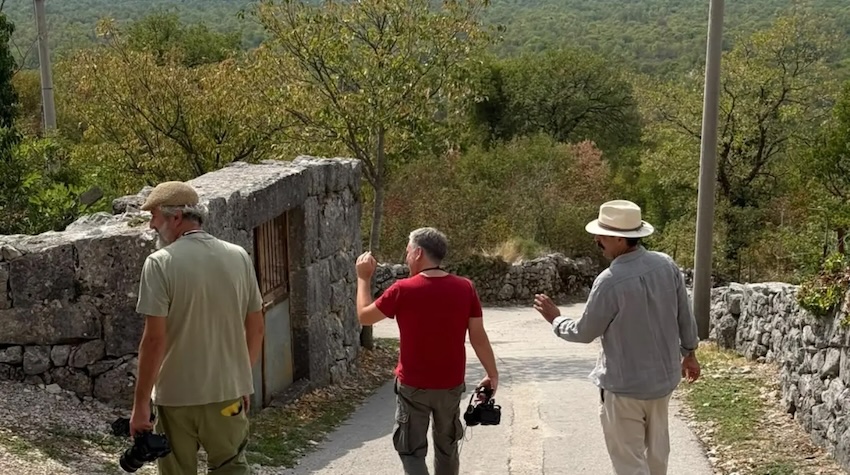
‘DRŽAVNI POSAO’ CREW FILMS NEW PROJECT IN TREBINJE

SEE SRPSKA RECEIVES CHARTER FROM BANJA LUKA TOURIST ORGANIZATION
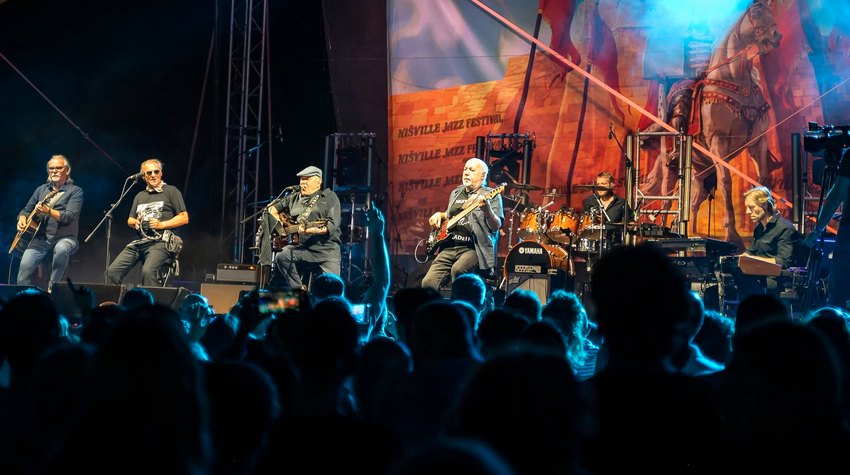
GALIJA TO CELEBRATE MAJOR ANNIVERSARY IN BANJA LUKA
NEW RAIL LINK BETWEEN REPUBLIKA SRPSKA AND SERBIA: DAILY TRAIN SERVICE FROM ZVORNIK TO BELGRADE
SEE SRPSKA RECEIVES CHARTER FROM BANJA LUKA TOURIST ORGANIZATION

BANJA LUKA BOOK FAIR 2026 OPENS TODAY
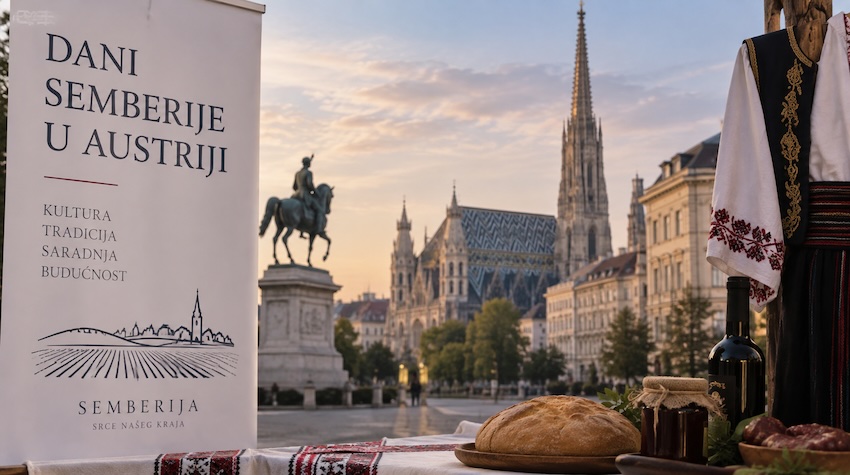
DAYS OF SEMBERIJA IN AUSTRIA: CULTURE, TRADITION AND LOCAL PRODUCTS PRESENTED TO AUSTRIAN AUDIENCES

FROM EUROPEAN STAGES TO HER HOMETOWN: JOVANA RALJIĆ BRINGS VIVALDI TO BANJALUKA


 The situation at the border crossings