THERE IS NO UNIVERSAL DINNER TIME: HOW TO FIND THE BEST TIME FOR YOUR EVENING MEAL
The ideal time for dinner depends on many factors: work shifts, daily obligations, exercise routines, family activities, and fatigue. Because of this, there is no single time that works perfectly for everyone.

“There are so many variables to consider when thinking about the ‘ideal’ mealtime. For the average healthy person, it doesn’t seem to make a difference whether dinner is at 5 PM or 6:30 PM. The most important thing is to find a schedule that works for you,” says Maja Feler, certified dietitian and nutritionist.
How to find your best dinner time
Follow your circadian rhythm
Our bodies tend to follow a natural circadian rhythm – a sleep-wake cycle that helps regulate when we go to bed and wake up. Many of our bodily systems, including metabolism, are connected to these rhythms. When it comes to eating, our bodies prefer a consistent schedule rather than irregular meals or waiting until we are extremely hungry. Metabolism naturally slows as the day progresses, just as our bodies grow more tired closer to bedtime.
Even if your schedule doesn’t allow for an early dinner, maintaining consistency in your meals can help stabilize blood sugar, reduce cravings, and prevent sluggishness.
Spacing dinner and bedtime
A helpful strategy for determining your ideal dinner time is to plan backwards from when you usually go to sleep. While dinner times may vary, experts recommend leaving 2–3 hours between your last meal and bedtime. Eating too close to sleep can disrupt digestion and interfere with your body’s ability to rest and regenerate, which may lead to poor sleep quality.

Join our
Viber Community

NEW SERVICE AT THE BiH-CROATIA BORDER FROM NOVEMBER 1

NATIONAL THEATRE OF REPUBLIKA SRPSKA WINS TWO AWARDS AT "DAYS OF ZORAN RADMILOVIĆ"

AUTUMN IN ITS MOST BEAUTIFUL COLORS THROUGH THE LENS OF TOMAS DAMJANOVIĆ
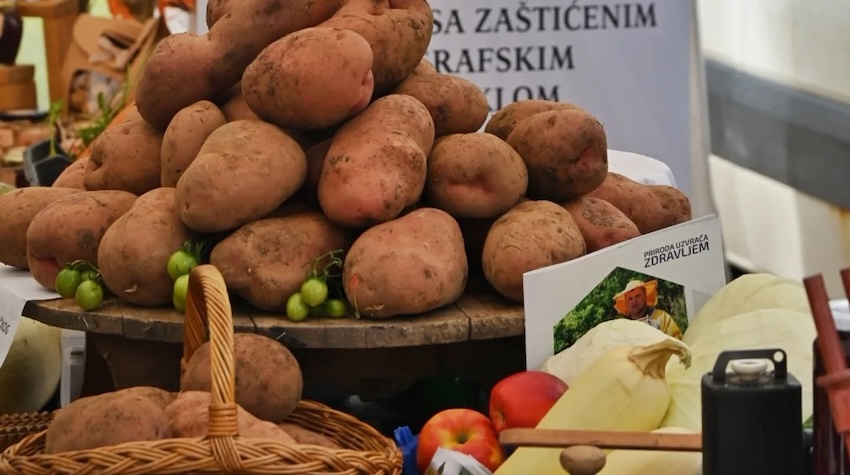
FROM THE FIELDS OF GLAMOČ TO TABLES ACROSS THE REGION: A POTATO WITH A NAME OF ITS OWN
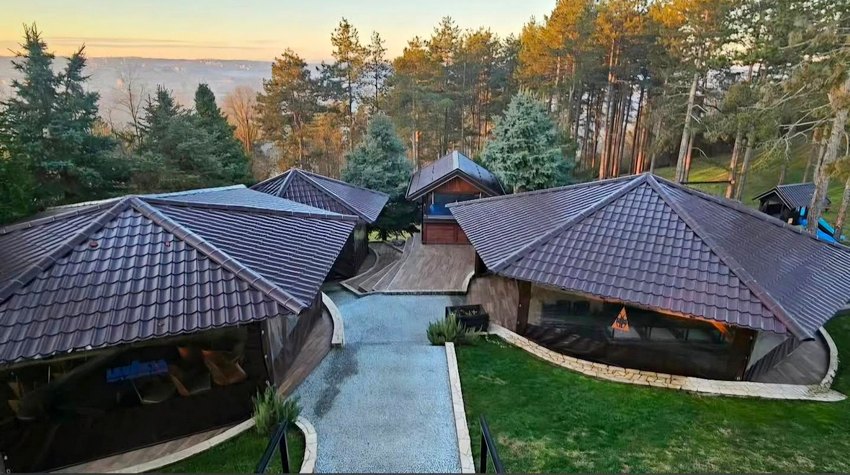
WHERE TO GO FOR A MINI BREAK FOR TWO FOR JUST BAM 69
FROM THE FIELDS OF GLAMOČ TO TABLES ACROSS THE REGION: A POTATO WITH A NAME OF ITS OWN

GRADIŠKA INNOVATOR RECEIVES OFFICIAL SUPPORT FOR INNOVATIVE DIGITAL PROJECT

BANJA LUKA’S YOUNGEST RESIDENTS SHOW THAT KINDNESS HAS NO AGE
WHERE TO GO FOR A MINI BREAK FOR TWO FOR JUST BAM 69

3 GREAT WEEKEND GETAWAY IDEAS IN REPUBLIC OF SRPSKA


 The situation at the border crossings