SAINT NICHOLAS – A SPECIAL PLACE IN SERBIAN TRADITION
Saint Nicholas holds a particularly important place in the traditional culture of the Serbian people, according to Saša Srećković, museum advisor at the Ethnographic Museum in Belgrade, who emphasizes that the significance of this saint goes far beyond the boundaries of the religious calendar.
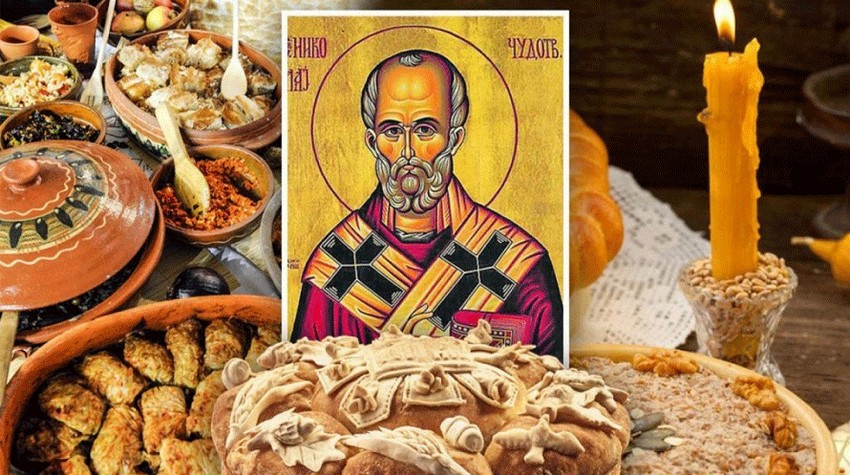
This
holiday, known as Nikoljdan, represents a complex social and cultural
phenomenon through which community values have been shaped and passed down for
centuries. Celebrated on December 19, Nikoljdan is one of the most widespread
krsna slava (patron saint days) among Serbs.
In
folk tradition, Saint Nicholas is recognized as the protector of children, the
poor, and sailors, but above all as a symbol of mercy, generosity, and care for
others. These values are reflected in numerous customs, ranging from family
gatherings and gift-giving to children, to helping those most in need of
support.
From an ethnological perspective, the krsna slava is not merely a family celebration, but an important mechanism for preserving collective identity and transmitting cultural and spiritual patterns from one generation to the next.
Srećković points out that the krsna slava is a unique feature of Serbian
culture and one of its most recognizable forms of intangible cultural heritage.
“The
memories associated with the ritual bread and the preparation of wheat carry
deep symbolism. They refer to the cycle of life, family unity, and faith in
resurrection. The fact that Saint Nicholas is celebrated during the Christmas
fast further emphasizes the importance of restraint, spirituality, and the
search for balance between the material and the immaterial,” Srećković
explains, adding that there is no single, uniform way of celebrating this
holiday.
Each
family has the right to observe its patron saint day in accordance with its own
identity, beliefs, and life circumstances. Tradition, Srećković concludes, is
not unchanging—it adapts over time, but its essence must remain recognizable.

Join our
Viber Community
TRAVELING BY CAMPERVAN FOR THE FIRST TIME? HERE’S WHAT YOU SHOULD KNOW BEFORE YOU GO
NEW RAIL LINK BETWEEN REPUBLIKA SRPSKA AND SERBIA: DAILY TRAIN SERVICE FROM ZVORNIK TO BELGRADE
‘DRŽAVNI POSAO’ CREW FILMS NEW PROJECT IN TREBINJE
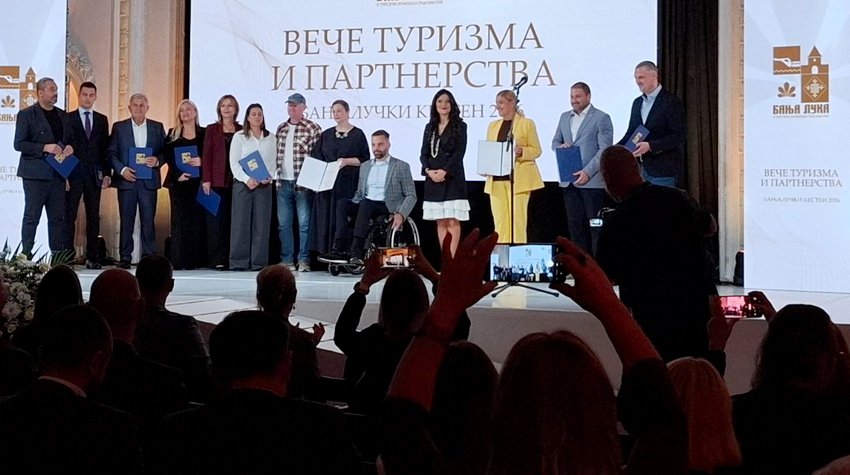
SEE SRPSKA RECEIVES CHARTER FROM BANJA LUKA TOURIST ORGANIZATION
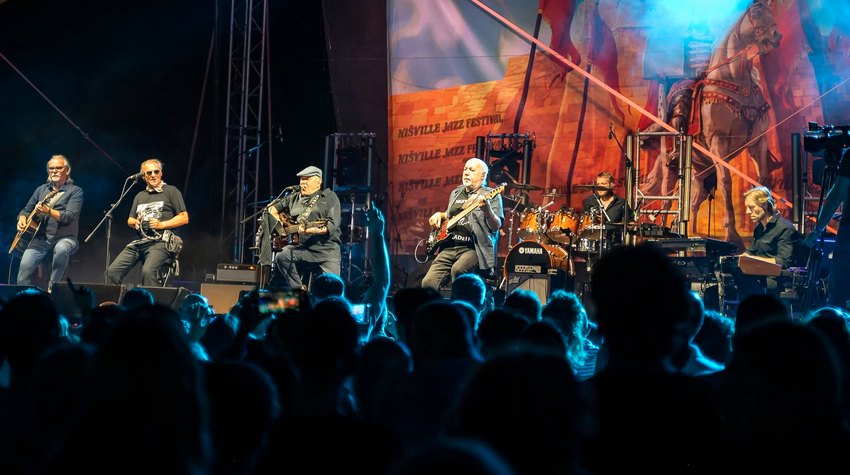
GALIJA TO CELEBRATE MAJOR ANNIVERSARY IN BANJA LUKA
NEW RAIL LINK BETWEEN REPUBLIKA SRPSKA AND SERBIA: DAILY TRAIN SERVICE FROM ZVORNIK TO BELGRADE
SEE SRPSKA RECEIVES CHARTER FROM BANJA LUKA TOURIST ORGANIZATION
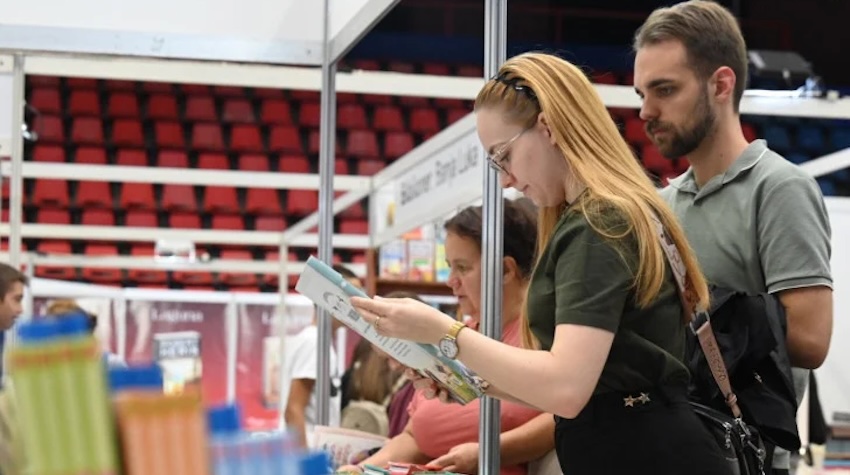
BANJA LUKA BOOK FAIR 2026 OPENS TODAY
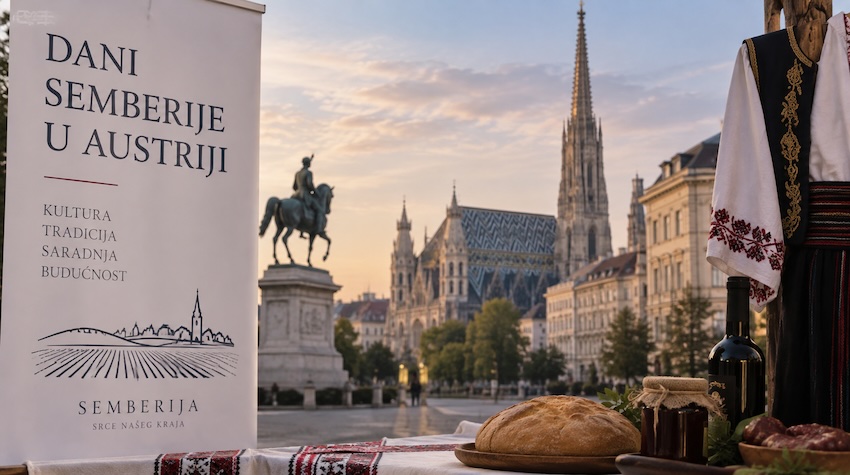
DAYS OF SEMBERIJA IN AUSTRIA: CULTURE, TRADITION AND LOCAL PRODUCTS PRESENTED TO AUSTRIAN AUDIENCES
FROM EUROPEAN STAGES TO HER HOMETOWN: JOVANA RALJIĆ BRINGS VIVALDI TO BANJALUKA

 The situation at the border crossings