OSTROG MONASTERY: A SANCTUARY OF FAITH AND TRADITION
Nestled amidst the rugged terrain of Montenegro, the Ostrog Monastery, dedicated to Saint Basil of Ostrog, stands as an iconic symbol within the Serbian Orthodox Church. Revered as one of the most renowned and frequently visited sites, it beckons pilgrims and travelers alike to its sacred grounds.

Perched within the cliffs, the journey to this spiritual haven is akin to a pilgrimage itself. As the feast day of Saint Basil of Ostrog approaches on May 12th, a surge of faithful is anticipated to grace the monastery's halls.
Yet, alongside the devout observance, adherence to the monastery's rules remains paramount. Attire, as well as souvenir etiquette, are rigorously enforced. Respect towards the sanctity of the place extends through one's dress and demeanor, with women covering their heads and limbs, and men donning long sleeves and trousers.
Personal belongings, and those of loved ones, find a temporary resting place beside the relics of Saint Basil, blessed overnight to imbue them with sacred significance.
Acts of goodwill are expressed through offerings to the monks, ranging from coffee and sugar to oil and other tokens of appreciation. Visitors may procure blessed water and oil or light candles for the well-being of their kin and the souls of the departed.
However, a stern reminder echoes: nothing, not even a pebble or flower, is to be taken from Ostrog monastery without permission and prayerful consideration. Inquiries about who may enter these hallowed halls are met with the understanding that adherence to the monastery's code of conduct and purity of heart welcome all.
For those seeking guidance or spiritual counsel, consulting with one's priest is advised. Within the monastery's walls, countless tales of miraculous healings are recorded, serving as enduring testaments to the extraordinary power enshrined within this sacred sanctuary.
Source: Žena Blic

Join our
Viber Community
TRAVELING BY CAMPERVAN FOR THE FIRST TIME? HERE’S WHAT YOU SHOULD KNOW BEFORE YOU GO

NEW RAIL LINK BETWEEN REPUBLIKA SRPSKA AND SERBIA: DAILY TRAIN SERVICE FROM ZVORNIK TO BELGRADE
‘DRŽAVNI POSAO’ CREW FILMS NEW PROJECT IN TREBINJE
SEE SRPSKA RECEIVES CHARTER FROM BANJA LUKA TOURIST ORGANIZATION
GALIJA TO CELEBRATE MAJOR ANNIVERSARY IN BANJA LUKA
NEW RAIL LINK BETWEEN REPUBLIKA SRPSKA AND SERBIA: DAILY TRAIN SERVICE FROM ZVORNIK TO BELGRADE
SEE SRPSKA RECEIVES CHARTER FROM BANJA LUKA TOURIST ORGANIZATION

BANJA LUKA BOOK FAIR 2026 OPENS TODAY
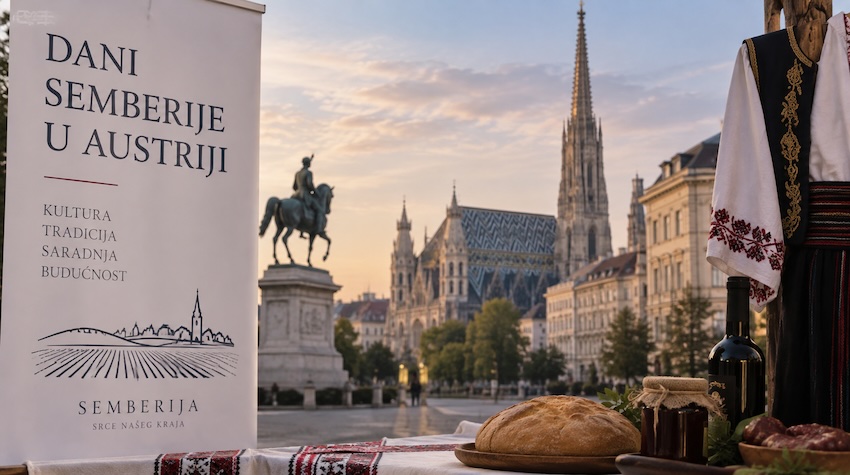
DAYS OF SEMBERIJA IN AUSTRIA: CULTURE, TRADITION AND LOCAL PRODUCTS PRESENTED TO AUSTRIAN AUDIENCES
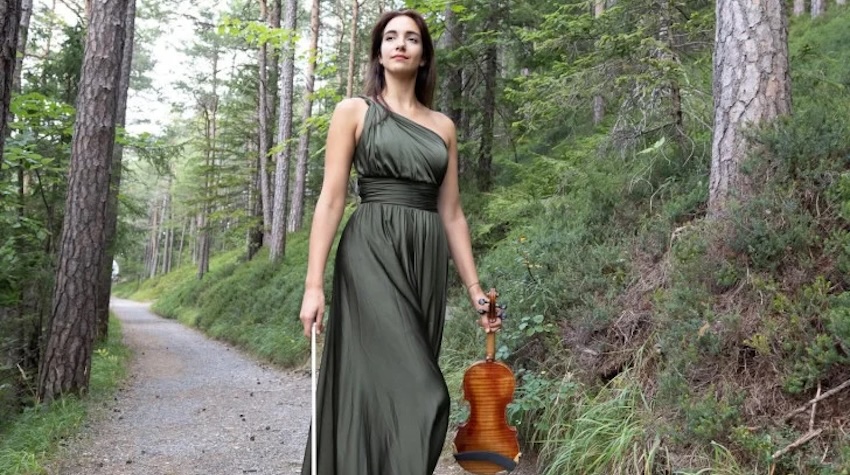
FROM EUROPEAN STAGES TO HER HOMETOWN: JOVANA RALJIĆ BRINGS VIVALDI TO BANJALUKA


 The situation at the border crossings