MYSTERY OF AN ANCIENT CITY IN HERZEGOVINA: WALLS STRETCHING MORE THAN A KILOMETER
During the later prehistoric period, the territory of today’s Western Balkans was inhabited by peoples collectively known as the Illyrians. Their presence can still be seen through numerous stone fortifications, defensive walls, burial mounds, and hillfort settlements that remain silent witnesses to a distant past.
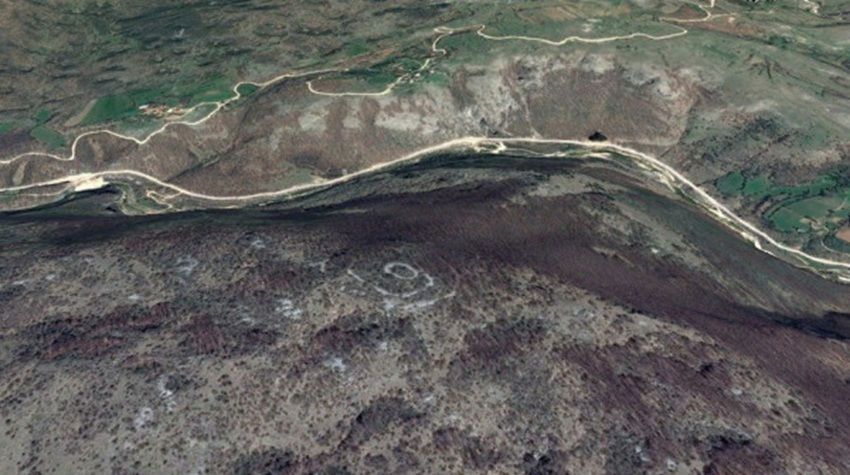
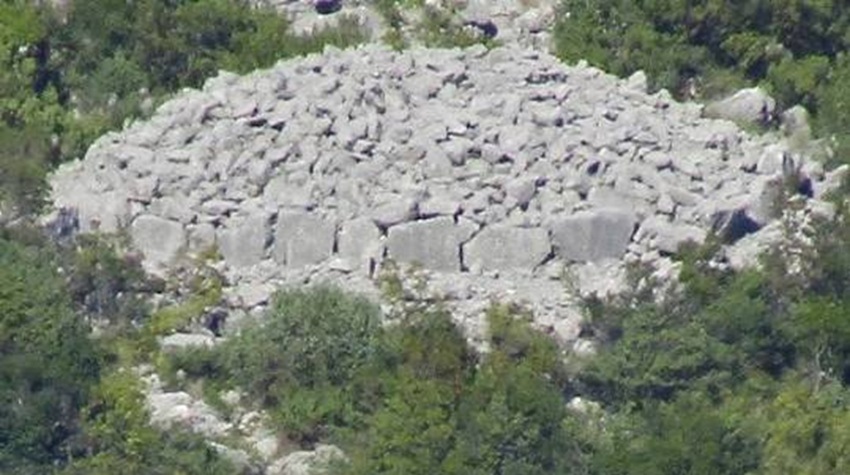
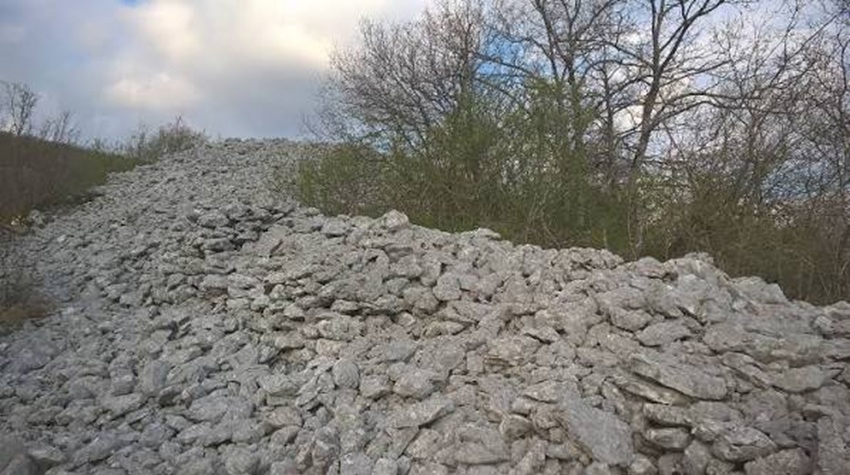
The large number of these prehistoric structures clearly suggests that the inhabitants of this region were not “primitive” tribes, as they were once portrayed, but rather socially organized communities that left behind remarkable architectural achievements. Thanks to archaeological research and the preservation of ancient settlements, the complexity and sophistication of Illyrian civilization are becoming increasingly evident.
The Illyrian Tribe of the Glinditiones in the Nevesinje Region
The area of present-day Nevesinje in Herzegovina was inhabited by Illyrian populations. Historians and archaeologists believe that the tribe known as the Glinditiones once lived here.
They left behind numerous stone burial mounds as well as several fortified settlements known as gradinas, or hillforts. Their monumental stone walls still dominate the Herzegovinian landscape and serve as valuable testimony to life more than two millennia ago.
The Largest Illyrian Hillfort Above the Village of Bratač
The most impressive Illyrian settlement in the Nevesinje area is located on the highest and most prominent elevation of Mount Svinjac, above the village of Bratač. The site is still known today as Gradina, further highlighting its importance in local historical memory.
What makes this hillfort particularly remarkable is its system of three concentric defensive walls built from massive stone blocks. These cyclopean walls form an elliptical shape and represent one of the largest and best-preserved Illyrian fortifications in Herzegovina.
The outer wall has a diameter of approximately 200 meters, while its circumference reaches nearly 600 meters. When all three defensive rings are combined, the total length of the fortifications exceeds one kilometer, demonstrating an extraordinary engineering achievement for its time.
An Ancient City Whose Name Remains Unknown
At the center of the hillfort lies a citadel-like area, an acropolis that likely served as the administrative, military, and social center of the settlement.
Although the original name of this ancient city has been lost to history, and its exact date of construction remains unknown, experts estimate that it is more than 2,200 years old. This places it among the oldest known settlements in Herzegovina and the wider Western Balkan region.
A Testament to a Forgotten Civilization
The Gradina on Mount Svinjac is one of the most significant prehistoric archaeological sites in Herzegovina. Its monumental walls, impressive dimensions, and strategic position testify to the advanced organization of Illyrian society, which flourished in this region centuries before the arrival of the Romans.
Today, the remains of this ancient city represent an important historical and tourism asset for Nevesinje. More importantly, they serve as a reminder that well-developed communities and significant urban centers existed in Herzegovina long before the emergence of modern cities.

Join our
Viber Community
HELP RANKA FROM SRBAC WALK WITHOUT PAIN AGAIN

SAFECLICK, A FREE EDUCATIONAL GAME THAT TEACHES CHILDREN HOW TO STAY SAFE ONLINE

CHINESE CULTURE AND TRADITIONS COME TO LIFE IN FOČA

FREE DOG TRAINING CLASSES IN BANJA LUKA: LEARN TO UNDERSTAND YOUR PET BETTER
A LITTLE JERUSALEM IN THE HEART OF SARAJEVO: A SACRED PLACE PRESERVING CENTURIES OF HISTORY
WELL-KNOWN ACTORS ARRIVE IN PECKA AS PREPARATIONS BEGIN FOR FILM “BJESNILO”
A LITTLE JERUSALEM IN THE HEART OF SARAJEVO: A SACRED PLACE PRESERVING CENTURIES OF HISTORY
SAFECLICK, A FREE EDUCATIONAL GAME THAT TEACHES CHILDREN HOW TO STAY SAFE ONLINE
FREE DOG TRAINING CLASSES IN BANJA LUKA: LEARN TO UNDERSTAND YOUR PET BETTER

OCTOBER TRAVEL AND DAY TRIPS: INDIAN SUMMER GIVES WAY TO TRUE AUTUMN


 The situation at the border crossings