WHERE THE ARCHIVAL TREASURE OF REPUBLIKA SRPSKA IS KEPT
At the very beginning of the Aleja Svetog Save in Banja Luka, a long rectangular building with a prominent central risalit — the main entrance facade — draws attention. This historical structure is known as the former Imperial House.

Built by the Austro-Hungarians in 1880, the building originally served as a military facility intended for the command of various army units stationed in the region. Over time, its purpose changed several times, but since 1973, it has been home to the Archives of Republika Srpska.
The Archives of Republika Srpska house one of the largest and most important libraries in the region, especially in terms of historiography and archival science. Since its foundation, the Archives have collected a vast array of books, including a significant number inherited from the now-defunct Institute for History in Banja Luka, which was dissolved in 2011. Today, the library holds between 25,000 and 30,000 bibliographic units.
The building itself is architecturally unique. Unlike most Austro-Hungarian military structures from the same period, which typically included a basement, this one consists only of a ground floor and an upper floor. It is a prototype command building of the Austro-Hungarian army and is likely the only preserved example of its kind that has retained its original form without significant alterations.
The archival depots are located on the ground floor and in several auxiliary buildings. In 2019, the depots were renovated, and the storage capacity increased by 75% thanks to the installation of mobile shelving units. According to regulations, archival materials are preserved in boxes made of impregnated cardboard.
One of the oldest documents preserved in the Archives is a philosophical treatise titled Enurul Vehadj, a 17th-century manuscript that belongs to the Collection of Oriental Manuscripts and Documents. This collection contains around 50 items — both bound volumes and individual pieces — all written in oriental languages from the Ottoman period. These manuscripts were purchased during the 1960s by the former Archives of Bosanska Krajina.
In the courtyard of the Archives, at the corner of Aleja Svetog Save and King Petar I Karađorđević Street, stands a monument to Petar II Petrović Njegoš — a bust created by sculptor Sreten Stojanović.
The Archives of Republika Srpska, headquartered in Banja Luka, were officially founded in 1992. At its inception, it incorporated the former Archives of Bosanska Krajina in Banja Luka, the Regional Archive in Doboj, and the Historical Archive in Foča. Later, regional offices were opened in Zvornik, Sokolac, and Trebinje.
The Archives are responsible for collecting, preserving, protecting, processing, organizing, and providing access to archival material throughout the entire territory of Republika Srpska. As a governmental administrative body, it operates under the Ministry of Education and Culture of Republika Srpska.

Join our
Viber Community
TRAVELING BY CAMPERVAN FOR THE FIRST TIME? HERE’S WHAT YOU SHOULD KNOW BEFORE YOU GO
NEW RAIL LINK BETWEEN REPUBLIKA SRPSKA AND SERBIA: DAILY TRAIN SERVICE FROM ZVORNIK TO BELGRADE
‘DRŽAVNI POSAO’ CREW FILMS NEW PROJECT IN TREBINJE
SEE SRPSKA RECEIVES CHARTER FROM BANJA LUKA TOURIST ORGANIZATION
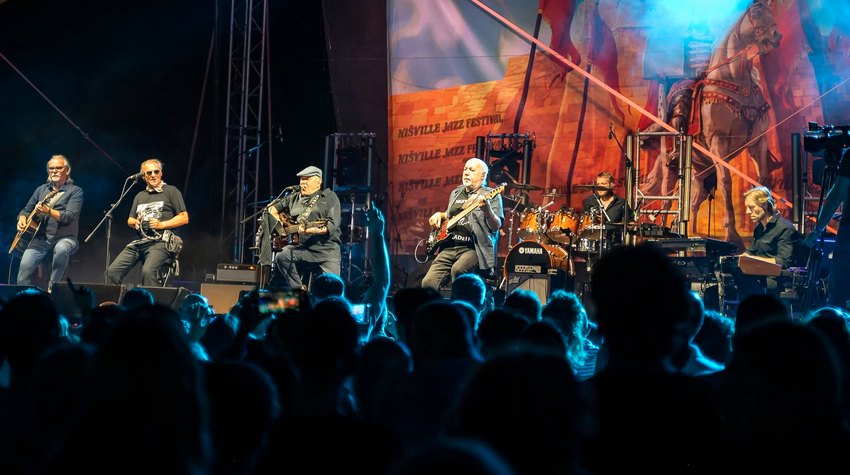
GALIJA TO CELEBRATE MAJOR ANNIVERSARY IN BANJA LUKA
NEW RAIL LINK BETWEEN REPUBLIKA SRPSKA AND SERBIA: DAILY TRAIN SERVICE FROM ZVORNIK TO BELGRADE
SEE SRPSKA RECEIVES CHARTER FROM BANJA LUKA TOURIST ORGANIZATION
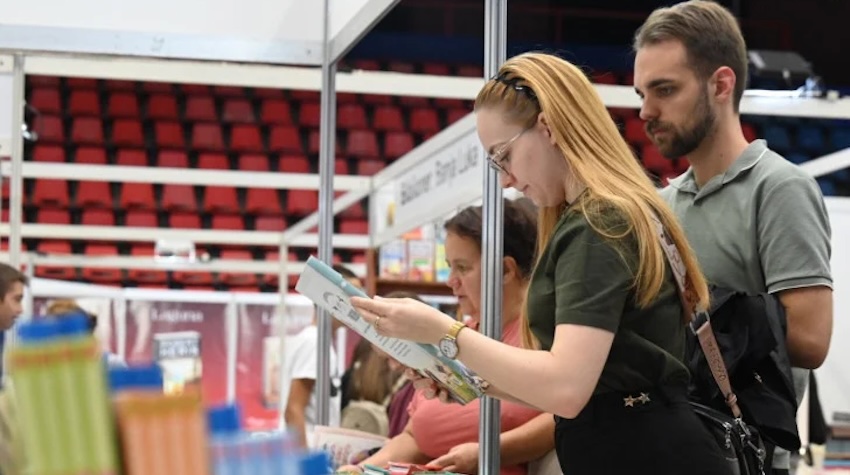
BANJA LUKA BOOK FAIR 2026 OPENS TODAY
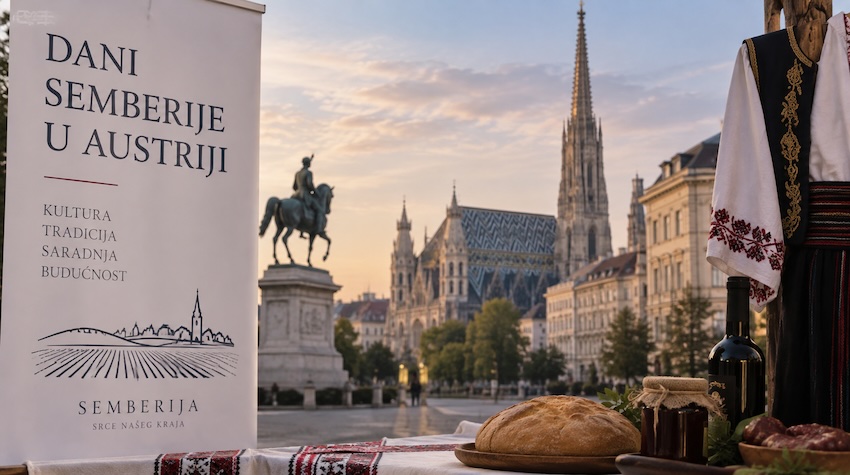
DAYS OF SEMBERIJA IN AUSTRIA: CULTURE, TRADITION AND LOCAL PRODUCTS PRESENTED TO AUSTRIAN AUDIENCES
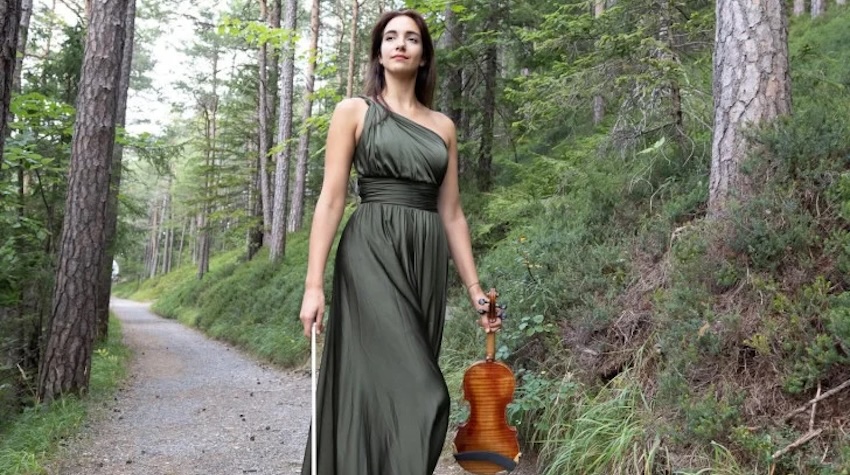
FROM EUROPEAN STAGES TO HER HOMETOWN: JOVANA RALJIĆ BRINGS VIVALDI TO BANJALUKA

 The situation at the border crossings