DISCOVER THE HERITAGE OF CULTURAL AND HISTORICAL LEGACY OF REPUBLIKA SRPSKA
The Necropolises with Stećci in Nevesinje, Mrkonjić Grad, Berkovići, the Red Rocks in Romanija, and the Cvrcka River in Kotor Varoš are just a small part of the heritage that represents an exceptional testimony to the endurance and survival of generations in these areas, the strength of the past, and the guarantee of the future, said Jasna Milešević, Director of the Institute for the Protection of Cultural-Historical and Natural Heritage of Republika Srpska.

"It is up to us to preserve this," Milešević said in an interview with Srna.
She emphasized that heritage, as well as the level of care for it, is an indicator of the consciousness and conscience of the people – both to themselves and to the world. While the awareness and conscience of this treasure certainly exist, they must be continuously improved.
Heritage – a mirror of our soul
"The beauty of a stećak, a water mill wheel, or gypsum stucco on an old facade – all of these are mirrors of our soul. The strength of the past and the guarantee of the future. It is up to us to recognize that power," Milešević said.
New challenges lie ahead for the Institute, some already underway, while others are nearing completion.
"The fact that the project documentation for the restoration of monuments at Šehitluci has been completed, or that the restoration of the Clock Tower in Banja Luka is expected, indicates that we still have the strength and capacity. We draw satisfaction and strength from these facts for the future," Milešević said.
The greatest challenges – the complexity of project tasks
The greatest challenges in preserving cultural-historical and natural heritage are the complexity and comprehensiveness of project tasks, which depend on the condition of the object or the scope of protected locations, as well as material problems.
"However, we are entering the year prepared. The monument at Šehitluci has received its foundation from which its restoration will emerge. We expect the restoration of the old wooden church in Romanovci near Gradiška, for which we have completed the main project, and the focus will also be on projects to restore sacred heritage in Herzegovina – in Gomiljani and Dubljani," Milešević noted.
Speaking of activities and results in the past year, she said that, given the circumstances prevailing in the world, and the region, she couldn't be dissatisfied.
Necropolises with Stećci – uncut gems of heritage
"In an exceptionally complex year behind us, the Institute and its officials have not faltered. I would especially highlight the declaration of necropolises with stećci as immovable cultural assets, which are the uncut gems of our heritage and should receive even greater attention, as this phenomenon is protected by UNESCO, across several representative necropolises," Milešević said.
Last year, two exceptional necropolises were declared protected areas, one in Herzegovina, at Morine, municipality of Nevesinje, which is among the population also known as the "Wedding Cemetery," and another in Krajina, in Baljvini, municipality of Mrkonjić Grad, at Tešanovića Krčevine, which boasts a unique and interesting representation of an unusual animal.
"This gives us encouragement, but also clearly shows that the Institute watches over the heritage from Trebinje to Novi Grad. In the same status, the Government of Republika Srpska adopted a decision in early 2023 to designate the medieval necropolis of stećci 'Radovac', village of Potkom, municipality of Berkovići, as a cultural asset of great importance," Milešević noted.
In addition to awareness and the need to protect necropolises with stećci, attention has also been paid to preserving gems of folk architecture.
"So our experts have prepared a Report on the determination of the immovable cultural asset – the mill of the Vujičić family in Bjelava, municipality of Foča, which, in its enduring presence, in a somewhat secluded but romantic area, truly takes us back to some distant, calmer, and warmer times," Milešević said.
Great wealth of urban areas
The Institute was also aware of the wealth of urban areas, the kind of reference points for recognizing our cities.
The building of the Banja Luka Administrative Center has been protected, and extensive actions preceding the protection of Gospodska Street, as an ambience exuding the high achievements of the civil culture of old Banja Luka, are underway, as well as the building of the former Mortgage Bank – now the Palace of the Republic.
Red Rocks and the Cvrcka River – unrivaled natural monuments
"In the protection of natural heritage, there has been no lagging behind, so the Red Rocks in Romanija, in the municipalities of Pale and Sokolac, have been protected as natural monuments, with their striking outlines showcasing the strength and richness of this region," Milešević said.
Due attention has also been given to the Cvrcka River, which adorns the borders of the municipalities of Kotor Varoš and Kneževo, while efforts, research, and vigilance have also been directed towards the Neretva, Vitorog, Rzav, the forests of Starčevica, and other natural heritage sites.
Engaging all segments of society in the mission of heritage preservation
The culture of preserving and protecting natural and historical heritage does not come by itself but in this mission, all institutions and segments of society – from family to state – must take a crucial place.
"The key to national pride, a sense of belonging to a place, and the like, does not lie in something elusive – but in education and knowledge. We all must learn the values and potentials we possess – and thus become the strongest guardians and the best ambassadors of our heritage," Milešević concluded.

Join our
Viber Community
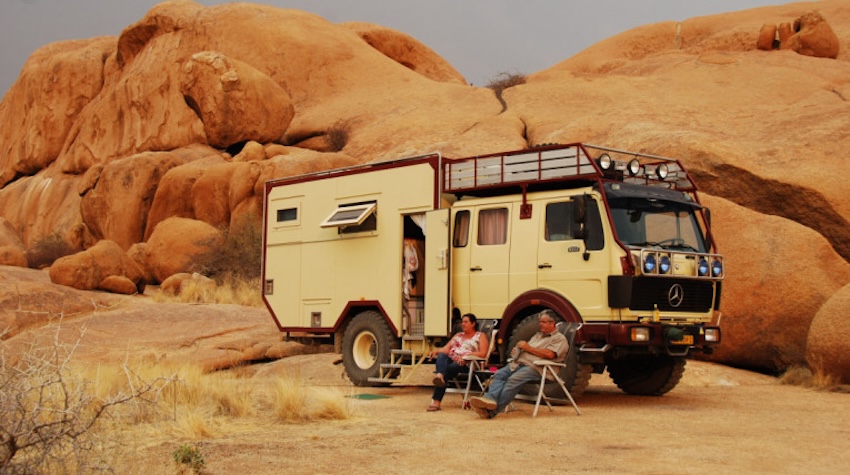
TRAVELING BY CAMPERVAN FOR THE FIRST TIME? HERE’S WHAT YOU SHOULD KNOW BEFORE YOU GO

NEW RAIL LINK BETWEEN REPUBLIKA SRPSKA AND SERBIA: DAILY TRAIN SERVICE FROM ZVORNIK TO BELGRADE
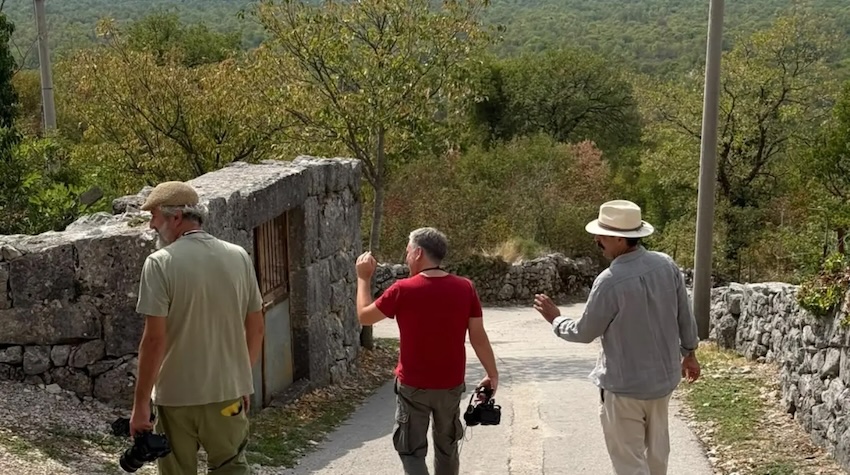
‘DRŽAVNI POSAO’ CREW FILMS NEW PROJECT IN TREBINJE
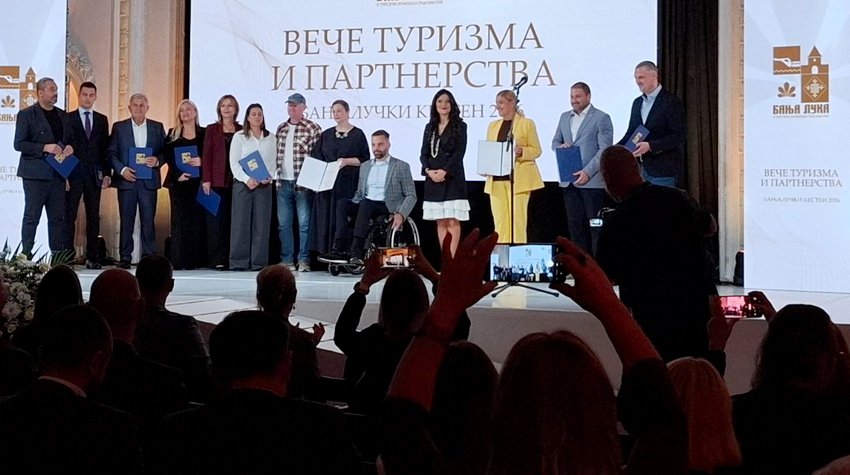
SEE SRPSKA RECEIVES CHARTER FROM BANJA LUKA TOURIST ORGANIZATION
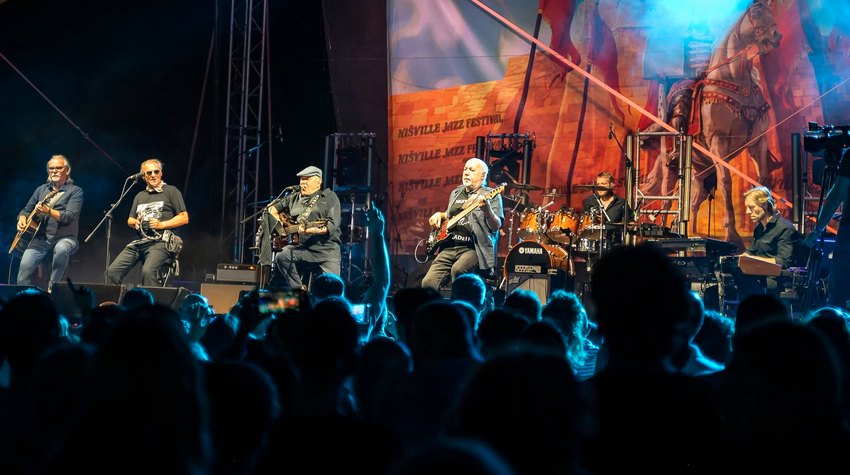
GALIJA TO CELEBRATE MAJOR ANNIVERSARY IN BANJA LUKA
NEW RAIL LINK BETWEEN REPUBLIKA SRPSKA AND SERBIA: DAILY TRAIN SERVICE FROM ZVORNIK TO BELGRADE
SEE SRPSKA RECEIVES CHARTER FROM BANJA LUKA TOURIST ORGANIZATION
BANJA LUKA BOOK FAIR 2026 OPENS TODAY
DAYS OF SEMBERIJA IN AUSTRIA: CULTURE, TRADITION AND LOCAL PRODUCTS PRESENTED TO AUSTRIAN AUDIENCES
FROM EUROPEAN STAGES TO HER HOMETOWN: JOVANA RALJIĆ BRINGS VIVALDI TO BANJALUKA


 The situation at the border crossings