ICONOGRAPHY AS PRAYER
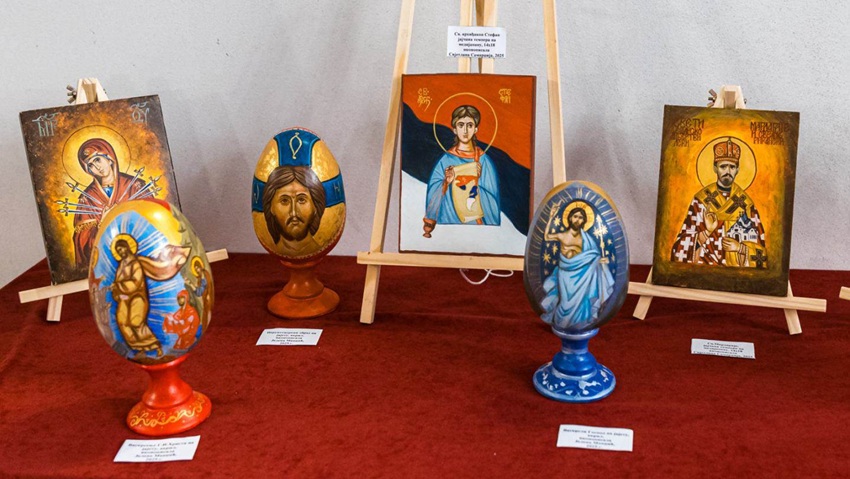
Svjetlana Samaradžija from Pale, dedicated to icon painting, says that everyone engaged in this ancient artistic tradition is guided by prayer.
.jpg)
She has been involved in painting since childhood, and her love for iconography arose with the opening of the icon-painting school “Arhangel” within the Cathedral of the Holy Archangel Gabriel in Pale, under the guidance of proto-presbyter Nemanja Mandžić. The school initially gathered both children and adults, and later professor Goran Janićijević focused on working with adults.
Samaradžija says she has created numerous icons over the past three and a half years and that the most beautiful and demanding technique she has worked in is fresco painting, visible in medieval monasteries in Kosovo and Metohija and in the region.
Icon painting, she explains, requires a special technique and respect for canons, but every artist weaves something personal into the work. While such achievements are often invisible to the untrained eye, they are easily recognized by professors and iconographers.
“Sometimes I feel I am not doing it alone, because every icon painter is guided by prayer and the presence of the Holy Spirit. Every class begins with prayer and blessing, and that is how icons are created. In essence, we do not paint just an image, but the saintly essence of each saint,” she says.
One of the works she is especially proud of is Saint Gerasimus of the Jordan, painted in egg tempera with acrylic on canvas measuring 60 by 50 centimeters. The technique is medieval, dependent on gold or silver leaf, with egg yolk and natural pigments used as the binding medium. The time required for one icon ranges from three to four days up to a month, depending on inspiration and size.
Her inspiration, Samaradžija adds, comes from her love of painting, her connection with the Church, and participation in liturgical life. She notes that the most beautiful works are created after the Divine Liturgy, especially on the eve of feasts dedicated to saints.

Join our
Viber Community
TRAVELING BY CAMPERVAN FOR THE FIRST TIME? HERE’S WHAT YOU SHOULD KNOW BEFORE YOU GO
NEW RAIL LINK BETWEEN REPUBLIKA SRPSKA AND SERBIA: DAILY TRAIN SERVICE FROM ZVORNIK TO BELGRADE
‘DRŽAVNI POSAO’ CREW FILMS NEW PROJECT IN TREBINJE
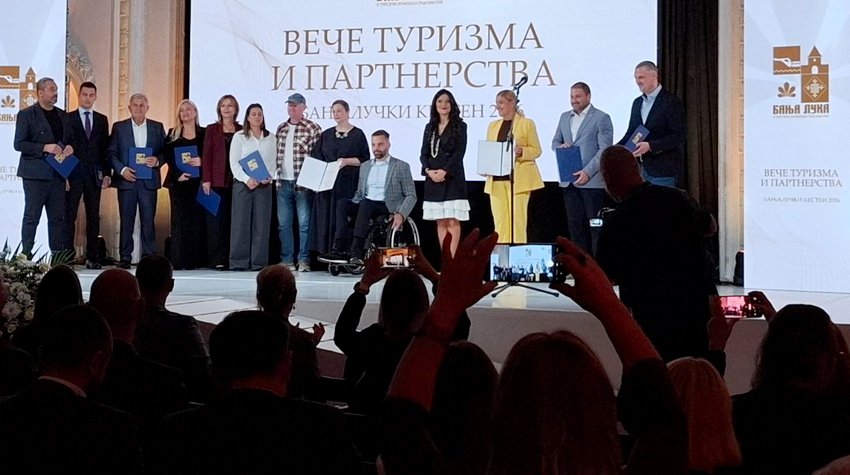
SEE SRPSKA RECEIVES CHARTER FROM BANJA LUKA TOURIST ORGANIZATION
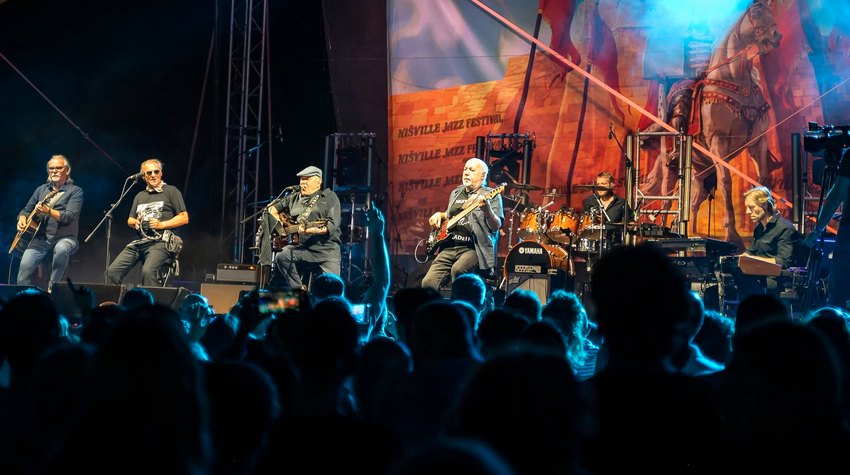
GALIJA TO CELEBRATE MAJOR ANNIVERSARY IN BANJA LUKA
SEE SRPSKA RECEIVES CHARTER FROM BANJA LUKA TOURIST ORGANIZATION
NEW RAIL LINK BETWEEN REPUBLIKA SRPSKA AND SERBIA: DAILY TRAIN SERVICE FROM ZVORNIK TO BELGRADE
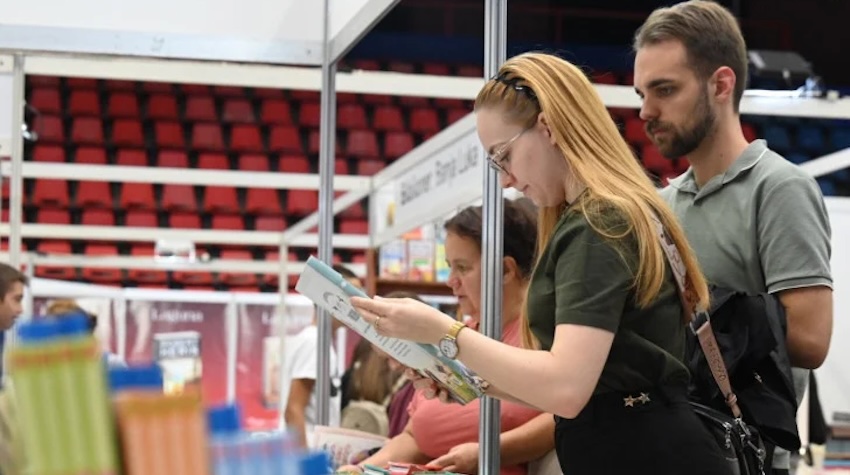
BANJA LUKA BOOK FAIR 2026 OPENS TODAY
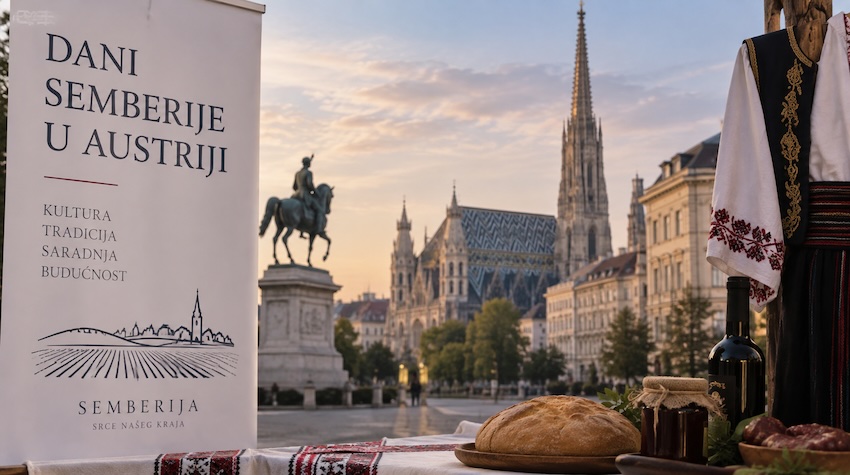
DAYS OF SEMBERIJA IN AUSTRIA: CULTURE, TRADITION AND LOCAL PRODUCTS PRESENTED TO AUSTRIAN AUDIENCES
FROM EUROPEAN STAGES TO HER HOMETOWN: JOVANA RALJIĆ BRINGS VIVALDI TO BANJALUKA


 The situation at the border crossings