LITERARY EVENING WITH AWARD-WINNING WRITER NEBOJŠA JEVRIĆ IN BANJA LUKA
A literary evening dedicated to writer and one of the most renowned war reporters in the region, Nebojša Jevrić, this year’s laureate of the “Ivo Andrić Grand Prize” for the best book published in the Republic of Srpska and Serbia, was held last night at the Milanović House in Banja Luka. The award-winning book is his collection of stories “Dead Smoke”, published by the Serbian Literary Cooperative.
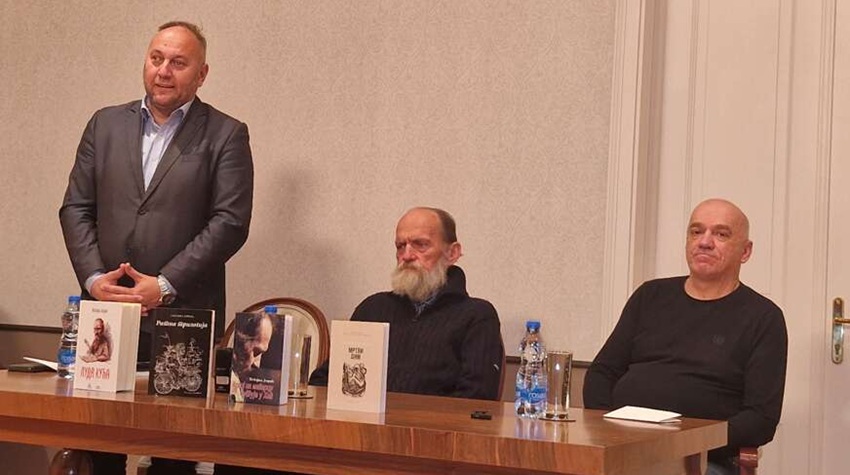
During his long journalistic career, Jevrić reported for numerous media outlets such as NIN, Politika, Jedinstvo, and many others. However, most people remember him as one of the finest war correspondents of the famous Belgrade magazine Duga. He wrote from the front lines in Krajina, Slavonia, the Sarajevo battlefield, Kosovo—because, as he often said, that was where he felt the safest. The gray zone of the battlefield, to him, was a zone of dangerous intentions.
One of the well-known stories often associated with this “Serbian Hemingway” recounts how Jevrić, during the war on Pale, met American journalist Roy Gutman. Gutman asked about the rape of Muslim women in Bosnia, and when he asked who was responsible, Jevrić responded that everyone knew—it was Gruban Malić, a fictional character from Miodrag Bulatović’s novel “Hero on a Donkey.” Gutman published the name in American media, and Richard Goldstone of the International Criminal Tribunal for the former Yugoslavia later added Malić to the list of wanted war criminals, identifying him as a guard at the Omarska camp. The indictment was dismissed only in 1998, and that same year Jevrić wrote the book “The Hero on the Road Travels to The Hague.”
Speaking last night to a packed audience in the Milanović House, Jevrić recalled that in 1997—long before receiving the Andrić Prize—he was given Ivo Andrić’s coat by his literary “father,” Miodrag Bulatović.
“As I was wandering around Terazije, Bulatović came across me and took me out to lunch. He told me: ‘Eat, who knows when you’ll eat again if you want to be a writer.’ Later we went to his apartment, and there I received my first and hardest award. The president and the only member of the jury was Miodrag Bulatović. I received Andrić’s coat—the one Andrić had given to Bulatović one winter. He told me: ‘Don’t thank me. Help someone else someday. Goodness must go in circles.’ I felt the weight of that coat throughout the war. When the Dayton Agreement was signed, I passed it on—carefully choosing—to young Željko Pržulj from Neđarići, who was just beginning to write. His father and brother were killed in the war. Now the decision is on Željko, and he told me he has found someone who, as a child, was in that terrible column leaving Sarajevo carrying the bodies of the dead,” Jevrić said.
He reminded the audience that two films were made based on his stories: “Ruža’s Revenge” by Aleš Kurt and “Šangarepo, You Do Not Grow Beautifully” by Boban Skerlić. He emphasized that he has been fortunate because the 21st century is the century of the short story—a form in which he is unmatched, as proven by numerous awards.
For his book “Silent Smoke”, Jevrić received the award of the Branko Ćopić Foundation. Alongside Matija Bećković and Zoran Kostić, he was also a laureate of the “Pivsko Oko” and “Kosta Radović” literary awards earlier this June.
Speaking about his journalistic and literary work, Jevrić shared another story from Neđarići:
“You would go to Neđarići only as punishment. I went there and stayed. There is only one street connecting Neđarići with Ilidža—Kasindol Street, the street of death. The width of the Serbian-held territory was six hundred meters, and it was shelled from Igman and Stup, with snipers firing from the student dormitories. Kasindol Street was the lifeline of the Sarajevo battlefield and no one even counts how many attacks there were. Of 150 defenders of Kasindol Street, 120 were killed. When people mention Košare, they should also mention Kasindol,” Jevrić said.
Nebojša Jevrić has written around a thousand stories and published thirteen notable books, including “Silent Thief,” “Serbian Roulette,” “The Hero on a Donkey Travels to The Hague,” “Closing Time,” “The Madhouse,” and “The War Trilogy.”
Professor Duško Pevulja spoke about Jevrić’s literary opus.
Jevrić’s evening in Banja Luka was organized by the Serbian Educational and Cultural Society “Prosvjeta” Banja Luka, under the title “On the Evil Road: In Search of a Story.”

Join our
Viber Community
TRAVELING BY CAMPERVAN FOR THE FIRST TIME? HERE’S WHAT YOU SHOULD KNOW BEFORE YOU GO

NEW RAIL LINK BETWEEN REPUBLIKA SRPSKA AND SERBIA: DAILY TRAIN SERVICE FROM ZVORNIK TO BELGRADE
‘DRŽAVNI POSAO’ CREW FILMS NEW PROJECT IN TREBINJE
SEE SRPSKA RECEIVES CHARTER FROM BANJA LUKA TOURIST ORGANIZATION
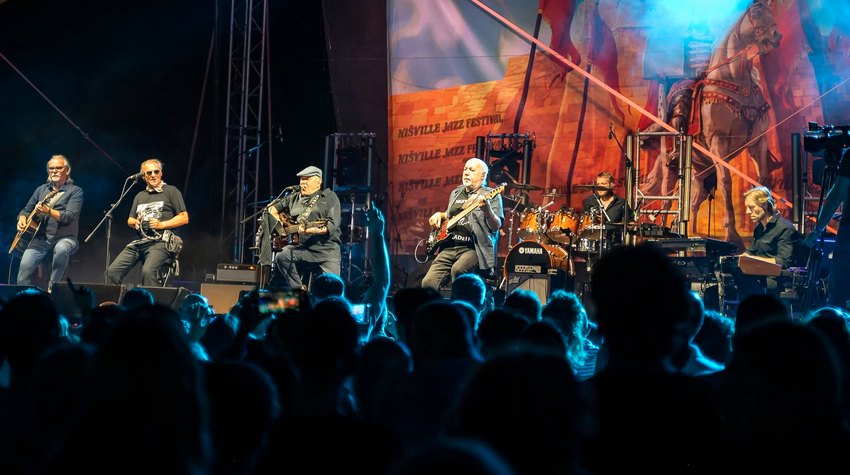
GALIJA TO CELEBRATE MAJOR ANNIVERSARY IN BANJA LUKA
SEE SRPSKA RECEIVES CHARTER FROM BANJA LUKA TOURIST ORGANIZATION
NEW RAIL LINK BETWEEN REPUBLIKA SRPSKA AND SERBIA: DAILY TRAIN SERVICE FROM ZVORNIK TO BELGRADE

BANJA LUKA BOOK FAIR 2026 OPENS TODAY
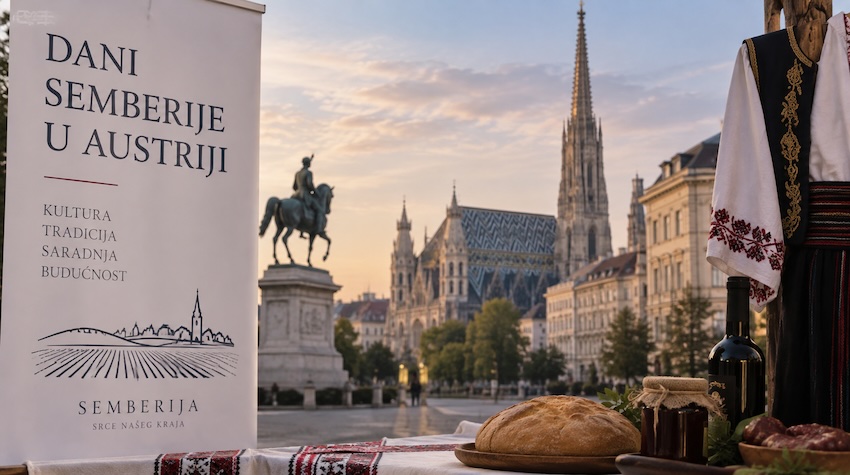
DAYS OF SEMBERIJA IN AUSTRIA: CULTURE, TRADITION AND LOCAL PRODUCTS PRESENTED TO AUSTRIAN AUDIENCES
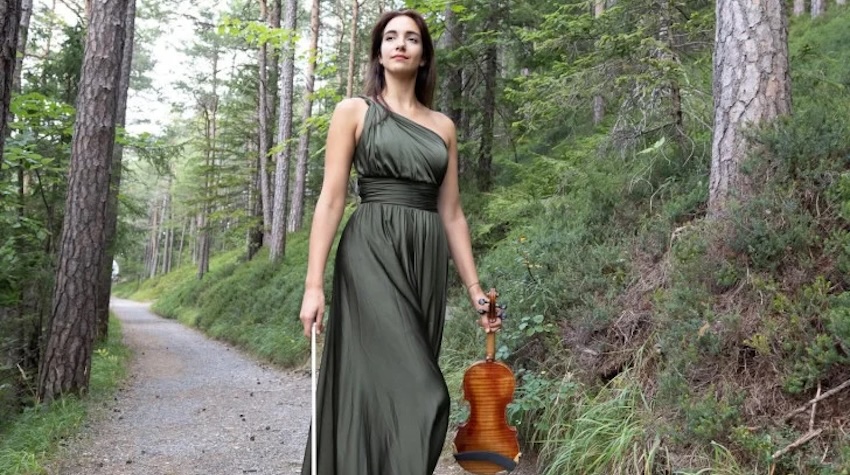
FROM EUROPEAN STAGES TO HER HOMETOWN: JOVANA RALJIĆ BRINGS VIVALDI TO BANJALUKA


 The situation at the border crossings