JOVICA PURIĆ, THE MAN WHO SAVED THE HONOR AND CULTURAL SOUL OF BIJELJINA
There are people who never enter textbooks, yet remain embedded in the foundations of a city. They are not carved into monuments, but they carry a monument within themselves. One of them was Jovica Purić, a native of Bijeljina whose name is rarely spoken today, although his deeds left a mark that transcends time, interest, and personal gain.
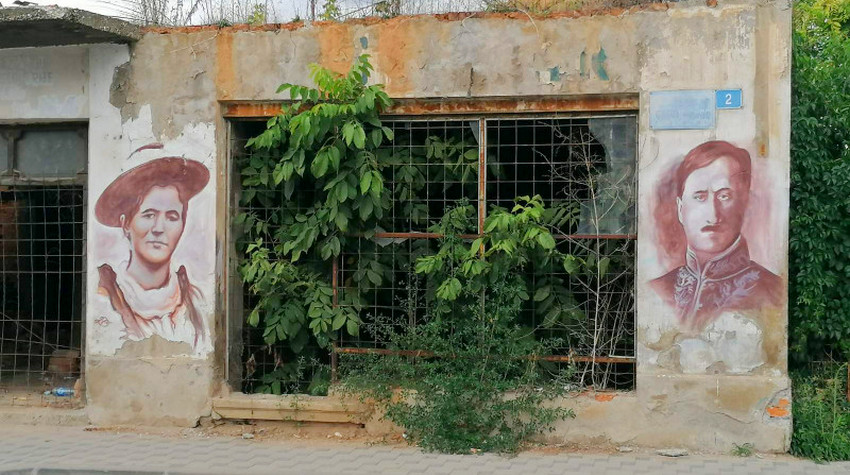
In the
1970s, Bijeljina had only three lawyers: Raca Todorović, Oto Svoboda, and
Slavko Crnojački. Alongside Slavko, from 1972 until his death in 1975, worked a
young lawyer, Jovica Purić. Their law office was located in the house of
Magdalena Živanović, a woman whose name is inseparably linked to one of the
most beautiful and discreet chapters of Serbian literature—the love of the
great poet Jovan Dučić.
Slavko
Crnojački, Magdalena Živanović’s nephew, lived a life divided between Germany
and Bijeljina. In Germany, he had a family; in Bijeljina, the silence of a
hidden fate. From an extramarital relationship with Ozrenka Radovanović, the
office cleaner, a boy named Jovan was born. It was Jovica Purić who patiently
and persistently urged Slavko to acknowledge the child, to give him integrity,
identity, and the right to a life free of shame.
After
Slavko’s death, Ozrenka and little Jovan were left without security. Jovica
remained to complete the unfinished legal cases, but without realizing it, he
was about to play one of the most honorable roles in the cultural history of
Bijeljina.
One autumn morning, among old files stacked in cabinets and on shelves, Jovica Purić discovered letters written by Jovan Dučić to Magdalena Živanović—around forty letters filled with confession, tenderness, and the thoughts of a great poet.
At that moment, he could have done what many would have done: keep them,
hide them, sell them in silence, or even discard them without understanding
their value. He did none of that. He did what was right.
Aware
of the immense cultural value of the letters and the difficult fate of Ozrenka
and her son, Jovica explained to her what lay before them. He suggested
contacting Matica srpska in Belgrade and offering the letters for purchase, in
order to secure a future for young Jovan. Ozrenka agreed, trusting Jovica more
than paper documents or institutions.
Three
days later, academics and a graphologist arrived in Bijeljina. Within minutes,
the authenticity of the letters was confirmed. An agreement was quickly
reached: Matica srpska purchased the letters for 20,000 German marks. That
money gave Ozrenka a new beginning. She bought property in Bogutovo Selo and
educated her son, who later moved to Austria.
And
Jovica Purić? Quietly and without publicity, he photocopied about ten letters,
understanding that cultural heritage does not belong solely to institutions,
but also to the city where it was discovered. Thanks to his son Nenad, those
copies later found their way to the National Library “Filip Višnjić,” where
they are preserved to this day.
Thus,
the letters of Jovan Dučić remained in Bijeljina—not thanks to the system, not
thanks to the state, but thanks to the integrity of one man.
Jovica
Purić passed away in 2005. Without an award. Without public recognition.
Without a single official word of gratitude from the city to which he left a
legacy of immeasurable value.
Jovica
Purić did not only save the letters of Jovan Dučić from oblivion. He preserved
the dignity of a child, secured a home and a future for a mother, and showed
that honesty is not a weakness, but the highest form of strength. A city that
forgets this, has forgotten itself.

Join our
Viber Community

THREE WARM AUTUMN DRINKS TO SATISFY YOUR SWEET CRAVINGS
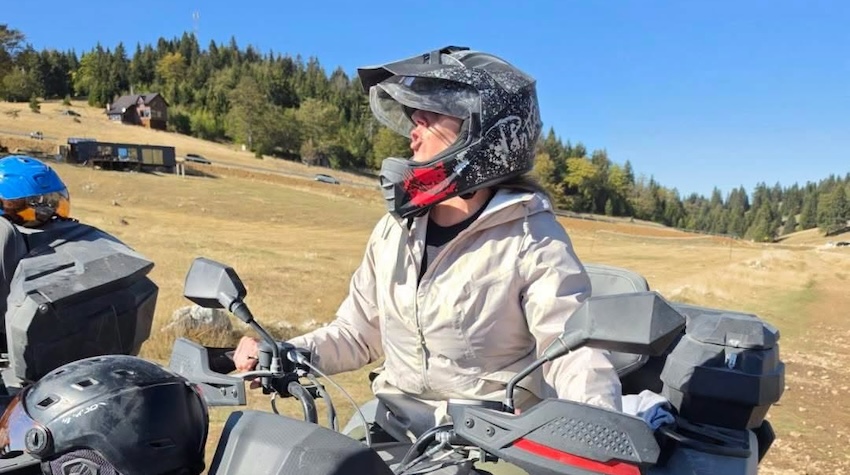
VLAŠIĆ FOR 299 BAM: TWO NIGHTS, BREAKFAST, QUAD TOUR AND TRADITIONAL BOSNIAN PIE
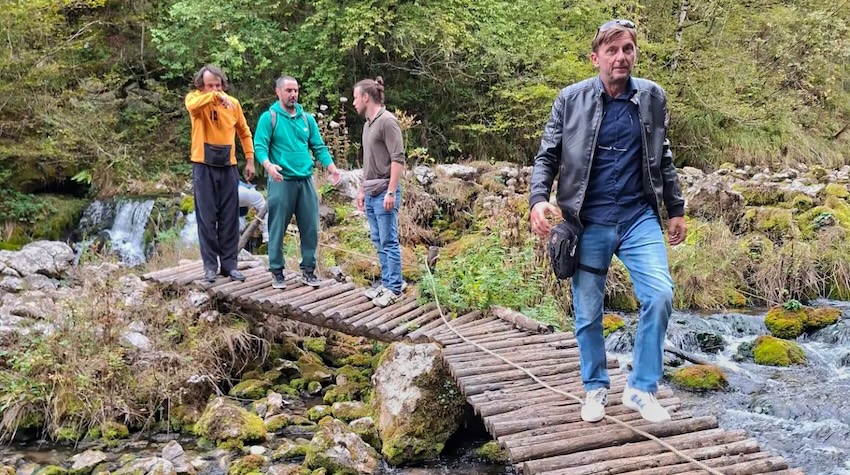
WELL-KNOWN ACTORS ARRIVE IN PECKA AS PREPARATIONS BEGIN FOR FILM “BJESNILO”

IS A ONE-PAGE WEBSITE ENOUGH FOR YOUR BUSINESS?

RADIO LAKTAŠI TO HIT THE AIRWAVES SOON: MODERN STUDIO, NEW EQUIPMENT AND GREAT MUSIC
AUSTRIAN COMPANY TO OPEN CHOCOLATE FACTORY IN REPUBLIKA SRPSKA
WELL-KNOWN ACTORS ARRIVE IN PECKA AS PREPARATIONS BEGIN FOR FILM “BJESNILO”
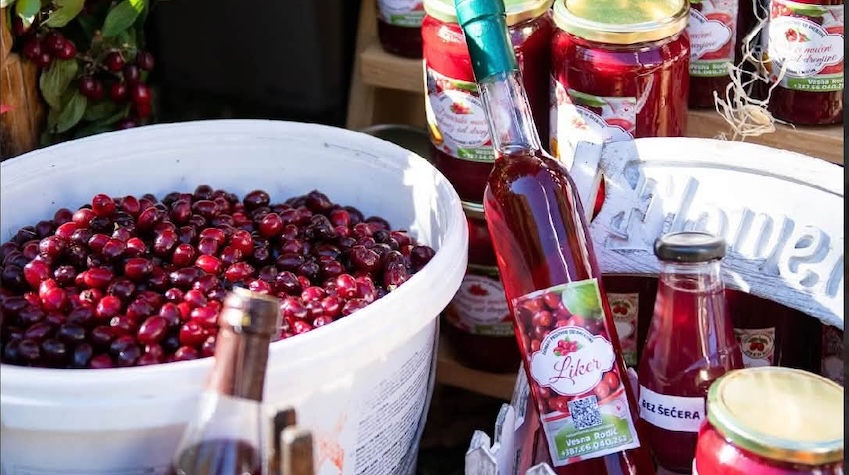
DRVAR CORNELIAN CHERRY DAY: 25 YEARS OF TRADITION AND LOCAL FLAVORS
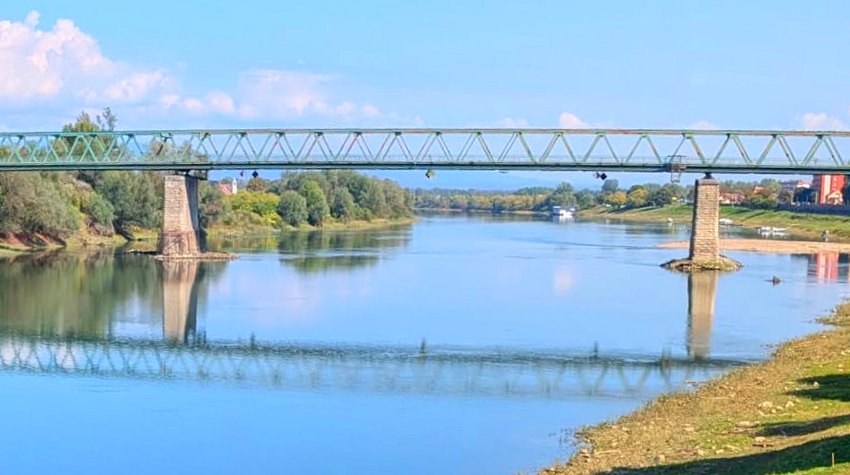
SAVA – A SPECIAL RIVER FOR THE PEOPLE OF GRADIŠKA
IS A ONE-PAGE WEBSITE ENOUGH FOR YOUR BUSINESS?


 The situation at the border crossings