UGLJEVIK: INTERNATIONAL VETERAN FOLKLORE FESTIVAL GATHERS 22 CULTURAL SOCIETIES
Ugljevik hosted an International Veteran Folklore Festival on Saturday, March 14, 2026, bringing together 22 cultural and artistic societies from Serbia, Republika Srpska, and the Federation of Bosnia and Herzegovina.
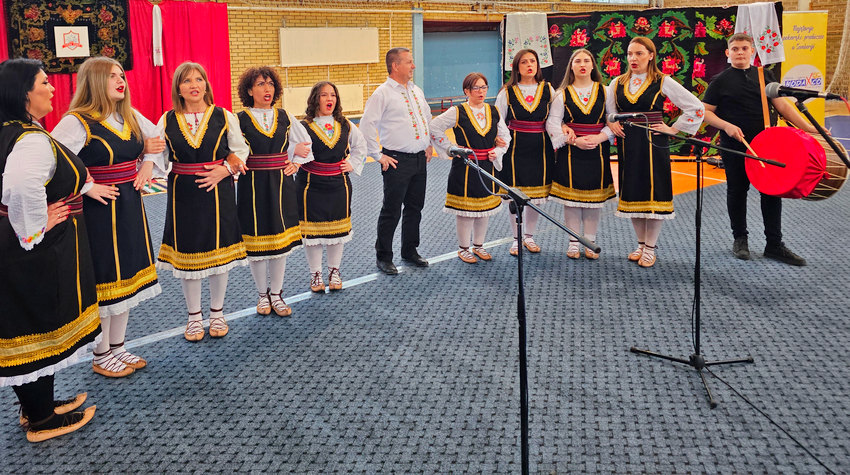
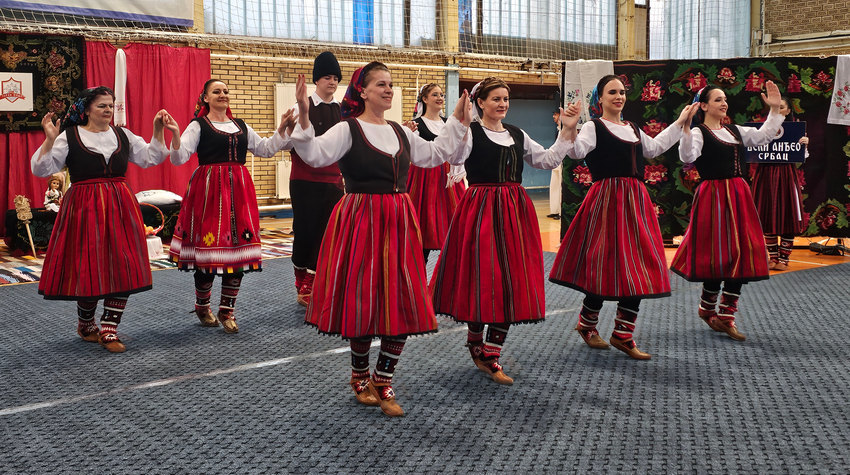
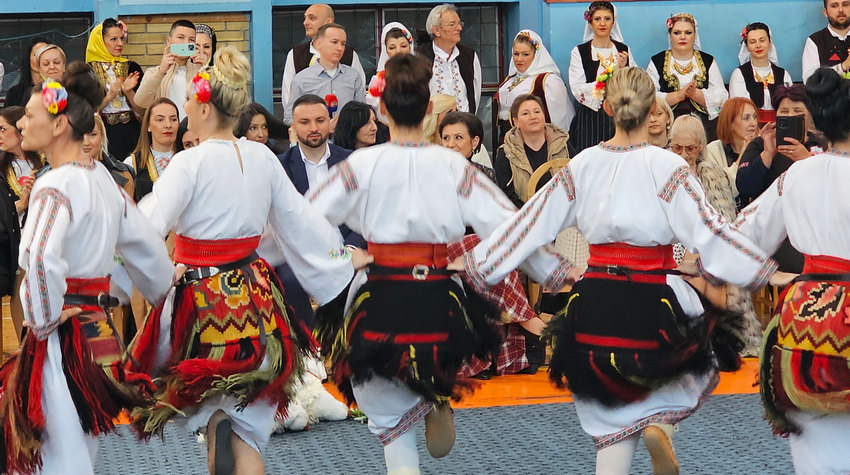
The event gathered more than 370 participants who showcased the rich cultural heritage of their regions through traditional dances, songs, and authentic folk costumes.
The
festival, held under the slogan “Our years don’t matter because our feet are
still quick!”, was organized by the Cultural and Artistic Society “Ravno
Polje,” once again demonstrating its important role in the cultural life of the
municipality.
Slaviša
Jović, artistic director of KUD “Ravno Polje,” thanked all participants for
attending and emphasized that he is especially proud of the veteran folklore
performers who continue to nurture tradition with great energy and dedication.
“I am
proud of our veterans who have once again proven that they are worthy guardians
of our cultural heritage. This festival shows that Ugljevik, although a small
community, can gather people for whom preserving culture and tradition is a
priority,” said Jović.
He added that KUD “Ravno Polje” currently brings together more than 170 members organized into five ensembles.
The
Deputy Mayor of Ugljevik, Dražen Jugović, officially opened the festival by
welcoming the guests and thanking all participants for their contribution.
“Gatherings
like this are especially important because they preserve our tradition,
strengthen friendships, promote heritage, and bring together people of
goodwill,” Jugović said.
During
the festival, the audience had the opportunity to enjoy choreographies and
traditional dances from various regions, once again confirming that folklore
remains an important part of the identity and cultural wealth of these areas.

Join our
Viber Community
TRAVELING BY CAMPERVAN FOR THE FIRST TIME? HERE’S WHAT YOU SHOULD KNOW BEFORE YOU GO
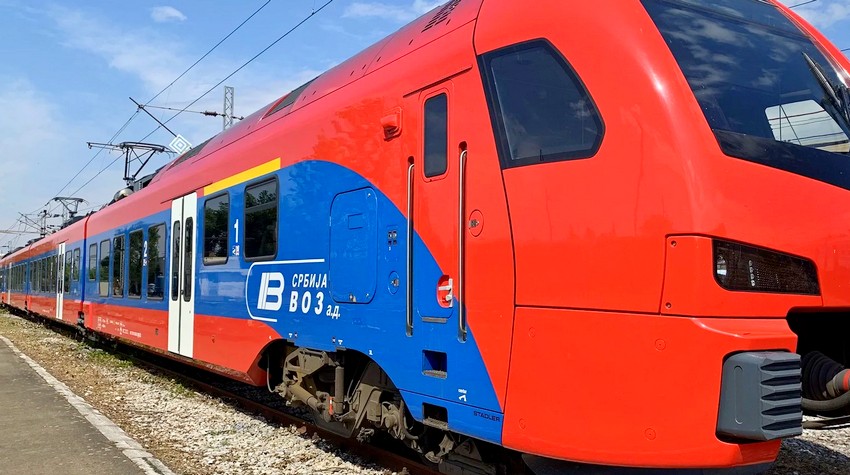
NEW RAIL LINK BETWEEN REPUBLIKA SRPSKA AND SERBIA: DAILY TRAIN SERVICE FROM ZVORNIK TO BELGRADE
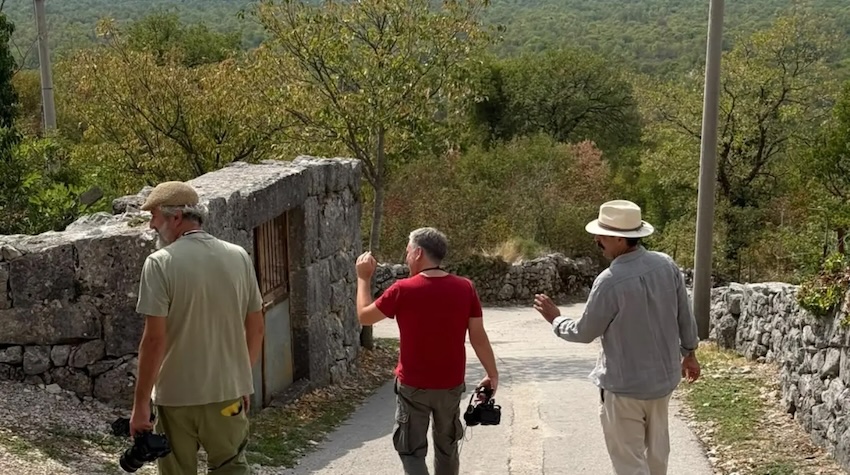
‘DRŽAVNI POSAO’ CREW FILMS NEW PROJECT IN TREBINJE
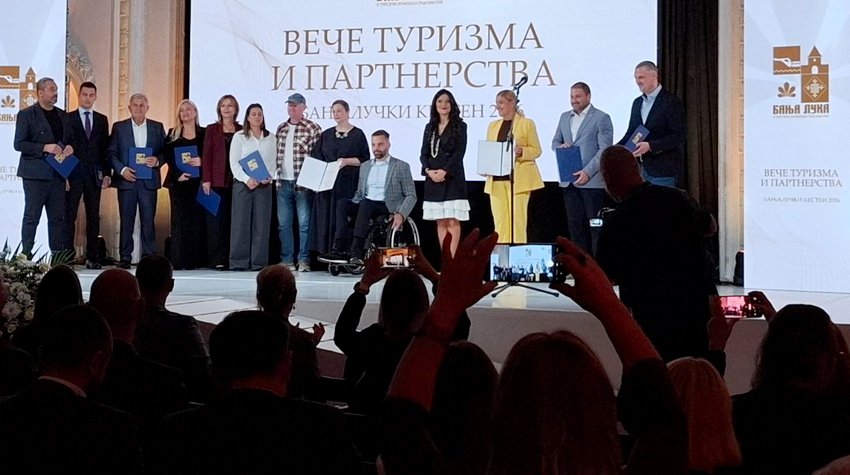
SEE SRPSKA RECEIVES CHARTER FROM BANJA LUKA TOURIST ORGANIZATION
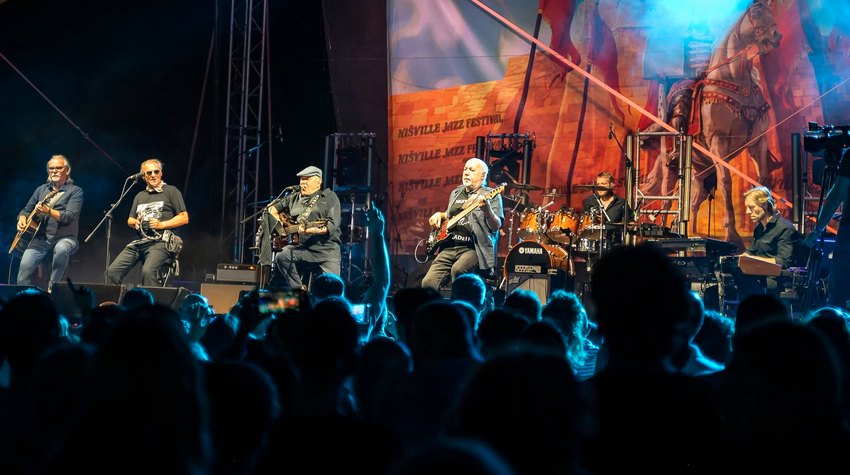
GALIJA TO CELEBRATE MAJOR ANNIVERSARY IN BANJA LUKA
SEE SRPSKA RECEIVES CHARTER FROM BANJA LUKA TOURIST ORGANIZATION
NEW RAIL LINK BETWEEN REPUBLIKA SRPSKA AND SERBIA: DAILY TRAIN SERVICE FROM ZVORNIK TO BELGRADE

BANJA LUKA BOOK FAIR 2026 OPENS TODAY
DAYS OF SEMBERIJA IN AUSTRIA: CULTURE, TRADITION AND LOCAL PRODUCTS PRESENTED TO AUSTRIAN AUDIENCES
FROM EUROPEAN STAGES TO HER HOMETOWN: JOVANA RALJIĆ BRINGS VIVALDI TO BANJALUKA

 The situation at the border crossings