ČAJNIČE KRASNICA – FROM THE HOLY LAND TO ČAJNIČE
The icon of the Mother of God, adorned in gold and silver and believed to have been painted on wood by the Apostle Luke, is preserved in Čajniče, in the Church of the Dormition of the Mother of God. It is displayed in a glass case, and on the reverse side, a depiction of Saint John the Baptist can be seen.

The icon is believed to possess miraculous powers and to heal illnesses, attracting numerous pilgrims to this holy site located in the southeastern part of Republika Srpska, near the borders with Serbia and Montenegro. Bishop Nikolaj Velimirović, one of the greatest Serbian theologians and philosophers, emphasized that, after the Ostrog Monastery, Čajniče is the second most important shrine of the Serbian Orthodox Church.
The icon was brought from Jerusalem by King Milutin, who kept it at his court as a protector of the Nemanjić dynasty. It was later entrusted to the Banja Monastery near Priboj. According to tradition, when the monastery was set on fire by the Turks, a villager rescued the icon from the flames and carried it to Čajniče.
Since 1595, it has remained there and is considered one of the most revered miraculous icons in Orthodoxy.
At the end of the 19th century, a goldsmith from Sarajevo, Risto Andrić, who believed that the icon had cured him of a severe illness, crafted a gold and silver covering for it out of gratitude. He closed his workshop for three years — the time it took to complete the covering — using over 17 kilograms of gold and silver for its creation.

Join our
Viber Community
TRAVELING BY CAMPERVAN FOR THE FIRST TIME? HERE’S WHAT YOU SHOULD KNOW BEFORE YOU GO

NEW RAIL LINK BETWEEN REPUBLIKA SRPSKA AND SERBIA: DAILY TRAIN SERVICE FROM ZVORNIK TO BELGRADE
‘DRŽAVNI POSAO’ CREW FILMS NEW PROJECT IN TREBINJE
SEE SRPSKA RECEIVES CHARTER FROM BANJA LUKA TOURIST ORGANIZATION
GALIJA TO CELEBRATE MAJOR ANNIVERSARY IN BANJA LUKA
NEW RAIL LINK BETWEEN REPUBLIKA SRPSKA AND SERBIA: DAILY TRAIN SERVICE FROM ZVORNIK TO BELGRADE
SEE SRPSKA RECEIVES CHARTER FROM BANJA LUKA TOURIST ORGANIZATION
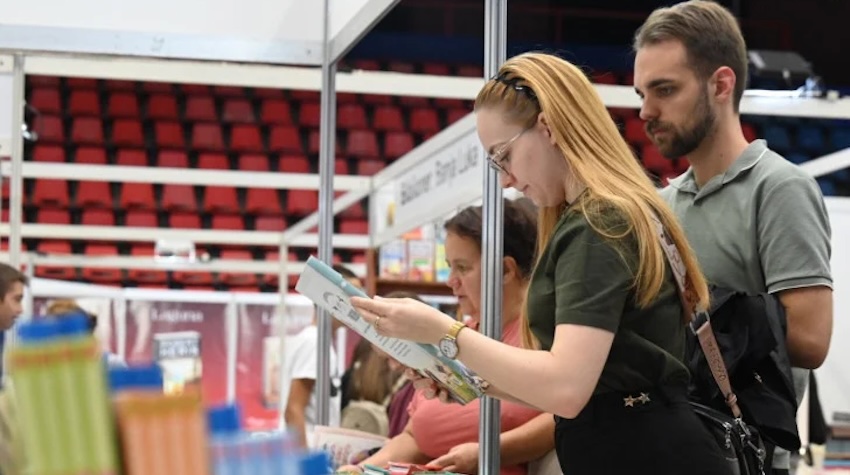
BANJA LUKA BOOK FAIR 2026 OPENS TODAY
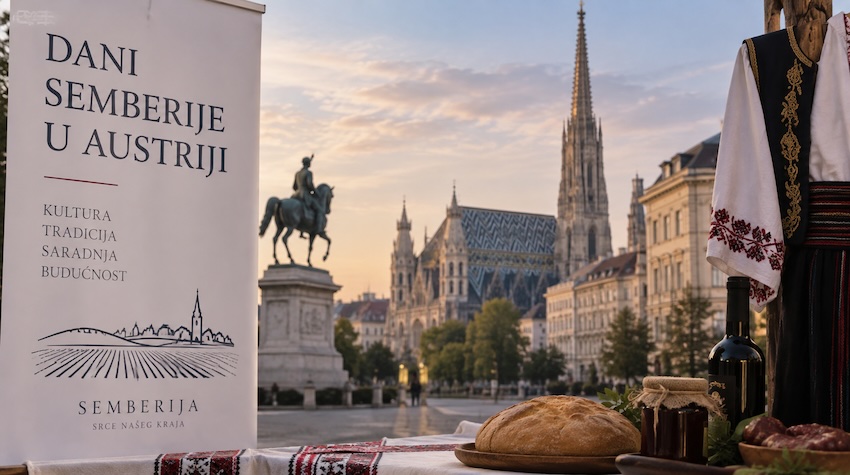
DAYS OF SEMBERIJA IN AUSTRIA: CULTURE, TRADITION AND LOCAL PRODUCTS PRESENTED TO AUSTRIAN AUDIENCES
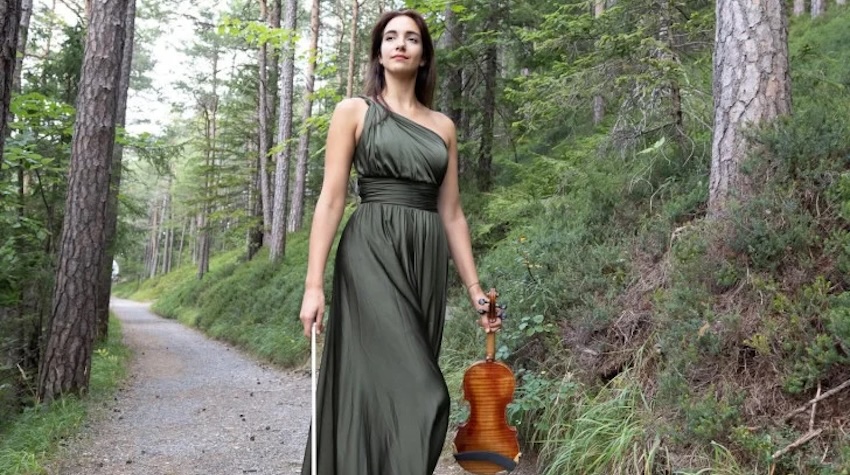
FROM EUROPEAN STAGES TO HER HOMETOWN: JOVANA RALJIĆ BRINGS VIVALDI TO BANJALUKA


 The situation at the border crossings