INCREASING NUMBER OF TOURISTS IN FOČA’S RAFTING CAMPS
Rafting camps along the Drina and Tara rivers are having an exceptional summer season, with tourist numbers up by 15 to 20 percent compared to last year. This surge is attributed to favorable weather conditions and the increasingly rich offerings of the camps in Foča.


In
addition to rafting in inflatable boats, tourists can enjoy kayaking, quad and
e-bike mountain tours, canyoning, and numerous hiking excursions. Foča is
rapidly expanding its adventure tourism options and, together with Plužine in
Montenegro—its partner municipality on the Tara River—is emerging as a regional
tourism leader, says Milan Rudinac, owner of the "Wild River" camp.
While
rafting remains the centerpiece of activities, kayaking is becoming
increasingly popular, particularly among foreign visitors.
"We
are a relatively small camp, focused on rafting, kayaking, and trips to
Trnovačko Lake. During weekdays, our guests are mostly foreigners, and they're
especially interested in kayak tours using both single and double inflatable
kayaks. These trips are conducted on both the Tara and Drina rivers. On
weekends, we organize standard excursions for domestic tourists from Serbia,
Montenegro, and Bosnia and Herzegovina. We’re pleased with the turnout so
far," Rudinac told Radio Foča.
Kayakers
use the same safety gear and suits as in rafting, though they are trained
differently to maintain balance and paddle effectively.
"We
do the same routes, but from a kayak, it’s a different experience—more exciting
and immersive, as you're literally sitting on the water," Rudinac added.
According
to him, tourists are coming from all over Europe and beyond. Besides the
traditionally strong turnout from Serbia, this season has seen an increase in
visitors from Poland and Hungary.
Accommodation
in the riverside camps—tucked away in lush greenery—is provided in bungalows
ranging from two to seven beds. The "Drina-Tara" Rafting Center is
one of the largest, offering extensive lodging capacity and diverse activities.
Camp manager Vladimir Tešan confirmed that the season started strong.
"We
have 15 to 20 percent more guests this year. May and June were great, and the
weather helped a lot," said Tešan.
The
magnificent Tara River canyon, its emerald color, and the thrilling ride
through foaming rapids remain the main draw for visitors. However, each year
brings new attractions.
One
highlight is quad tours around the canyon rim, Zelengora Mountain, and its
lakes. Other adventures include canyoning on the Hrčavka River and in
Montenegro’s Nevidio Canyon, as well as hikes through Perućica, one of Europe’s
last primeval forests, within the "Sutjeska" National Park.
This
year, a new offering includes electric bike tours.
“Our
new ‘E-bike Adventure’ on Tjentište includes visits to Perućica forest,
Skakavac waterfall, and the National Park—all on brand-new, high-performance
electric bikes, and at very affordable prices,” Tešan added.
The
rafting camps also cooperate with the "Zlatni Bor" cheese farm and
the "Velenići" Equestrian Club, located at the top edge of the canyon.
These spots offer breathtaking views of Europe’s deepest canyon and surrounding
mountains like Durmitor, Maglić, and Ljubišnja.
"We
work with our friends at the ‘Velenići’ club to offer rafting and safari
combos. Visitors can try zip-lining above the canyon and enjoy recreational
horseback riding while touring a herd of purebred Arabian stallions,"
Tešan said.
More
and more camps are adding swimming pools, but the river remains a favorite. The
"Drina-Tara" camp has introduced two natural river pools, a
landscaped beach, and lounge chairs—new additions that enhance the visitor
experience.
The
majority of guests here come from Serbia, with many Slovenians, Hungarians, and
Bulgarians, and a rising number of American tourists this year.
Local
cuisine is a vital part of the camping experience. Camps aim to feature
traditional dishes made from farm-fresh ingredients.
At the
“Paradise River” camp, operating for eight years, Srdjan Kulić says they serve
regional specialties such as veal under the bell, grilled fish, goulash,
prosciutto, bacon, kajmak, homemade fritters, and desserts.
"Veal
and grilled fish are the top picks. Tourists love our food—just yesterday, two
Swiss guests left thrilled with the veal," said Kulić.
Visitors can also enjoy sports like football, beach volleyball, table tennis, or relax by the pool. On weekends, there's live music in the evenings.
Besides
rafting, this camp offers jeep safaris through the “Sutjeska” and “Durmitor”
National Parks and the Tara Canyon, horseback riding and zip-lining in
Velenići, hiking, canyoning on the Hrčavka River, and, more recently, cruises
on Lake Piva in Montenegro.
"We
provide organized transport to Lake Piva with a guide, followed by a 2.5 to
3-hour boat cruise. While rafting remains the most popular activity, we’ve had
guests from the Netherlands who went on a jeep safari, and from Germany who did
canyoning and hiking on Maglić," said Kulić.
Besides
tourists from Serbia and Bosnia and Herzegovina, the camp is regularly visited
by travelers from Croatia, Slovenia, the Czech Republic, Poland, and Germany.
"Some
even arrive with their camper vans. They dine with us, reserve rafting tours,
and we don’t charge for parking or pool access. Weekends are the busiest, with
live music, while weekdays are quieter, often bringing families. Most
importantly, our guests keep coming back," Kulić concluded.
Similar
experiences are reported by other rafting camps in Foča. Each strives to expand
its offerings and raise service levels year after year—and judging by the
growing number of visitors, they are succeeding.

Join our
Viber Community
TRAVELING BY CAMPERVAN FOR THE FIRST TIME? HERE’S WHAT YOU SHOULD KNOW BEFORE YOU GO
NEW RAIL LINK BETWEEN REPUBLIKA SRPSKA AND SERBIA: DAILY TRAIN SERVICE FROM ZVORNIK TO BELGRADE
‘DRŽAVNI POSAO’ CREW FILMS NEW PROJECT IN TREBINJE
SEE SRPSKA RECEIVES CHARTER FROM BANJA LUKA TOURIST ORGANIZATION
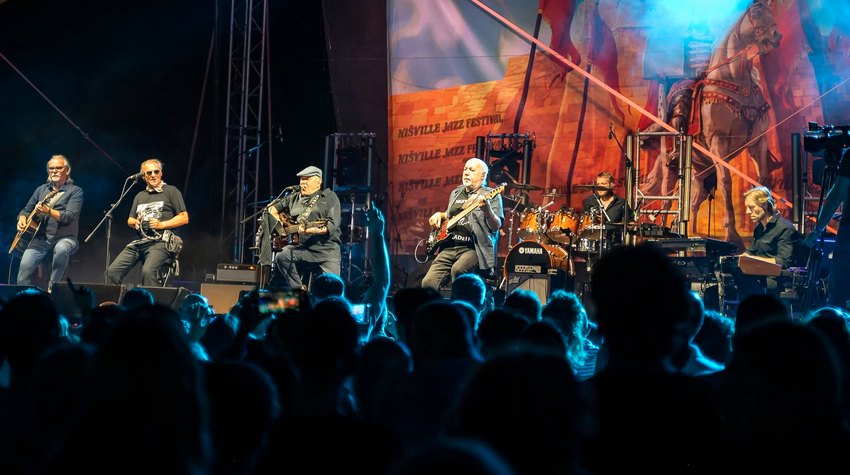
GALIJA TO CELEBRATE MAJOR ANNIVERSARY IN BANJA LUKA
NEW RAIL LINK BETWEEN REPUBLIKA SRPSKA AND SERBIA: DAILY TRAIN SERVICE FROM ZVORNIK TO BELGRADE
SEE SRPSKA RECEIVES CHARTER FROM BANJA LUKA TOURIST ORGANIZATION

BANJA LUKA BOOK FAIR 2026 OPENS TODAY
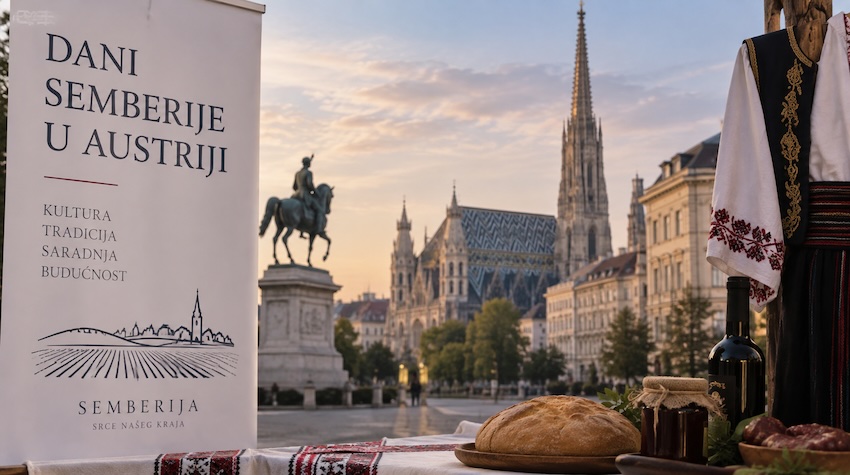
DAYS OF SEMBERIJA IN AUSTRIA: CULTURE, TRADITION AND LOCAL PRODUCTS PRESENTED TO AUSTRIAN AUDIENCES
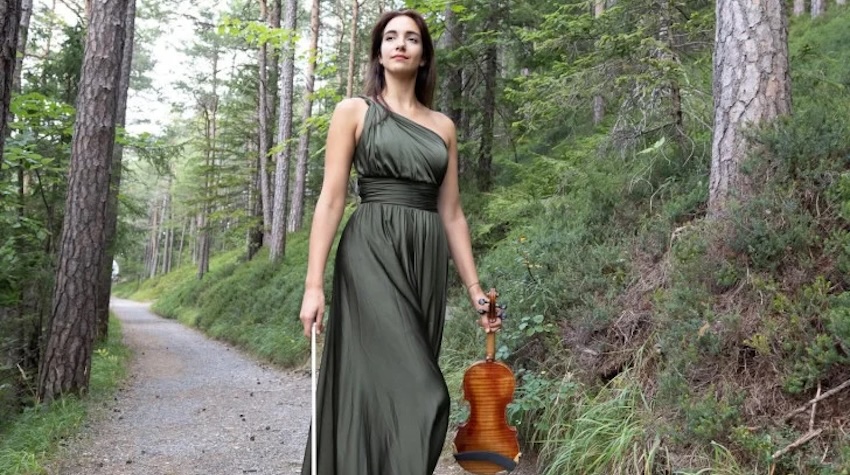
FROM EUROPEAN STAGES TO HER HOMETOWN: JOVANA RALJIĆ BRINGS VIVALDI TO BANJALUKA

 The situation at the border crossings