DO YOU KNOW: WHY THE CLOCKS ARE CHANGED EARLIER THIS YEAR
As the days grow longer and warmer, we are approaching the period when the sun will set after 6 PM, marking the arrival of daylight saving time. On the last weekend of March, clocks will be moved forward by one hour.

In the
night between Saturday, March 28, and Sunday, March 29, daylight saving time
officially begins. At that moment, clocks will be set one hour ahead.
This
means that the day will effectively last one hour less—only 23 hours—but
evenings will be brighter, with darkness falling later.
So why
does it seem like the clocks are changing earlier this year?
Data from the past decade shows that the transition to daylight saving time can vary in its exact date.
The explanation, however, is simple. Across Europe,
including our region, the rule has remained the same for years: the time change
always occurs on the last Sunday of March (and on the last Sunday of October
when reverting back)
Since
calendar dates shift each year, the exact date of that final Sunday also
changes. Sometimes it falls later in the month, and sometimes earlier.
In
other words, the rule has not changed—it is still the last weekend of March.
However, because the dates vary from year to year, in 2026 it may appear as
though the clocks are being adjusted earlier.
On
March 29 at 2:00 AM, the time will jump directly to 3:00 AM. We will lose one
hour of sleep, making the day effectively 23 hours long—but in return, we gain
longer daylight in the evenings from that point onward.

Join our
Viber Community
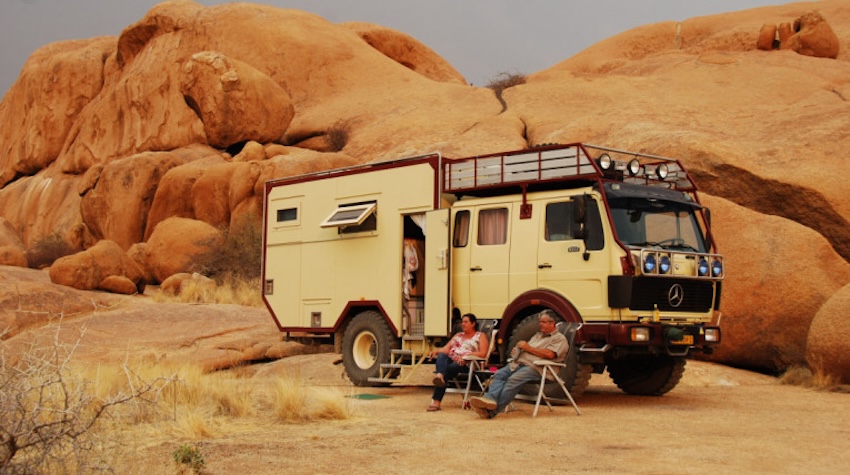
TRAVELING BY CAMPERVAN FOR THE FIRST TIME? HERE’S WHAT YOU SHOULD KNOW BEFORE YOU GO

NEW RAIL LINK BETWEEN REPUBLIKA SRPSKA AND SERBIA: DAILY TRAIN SERVICE FROM ZVORNIK TO BELGRADE
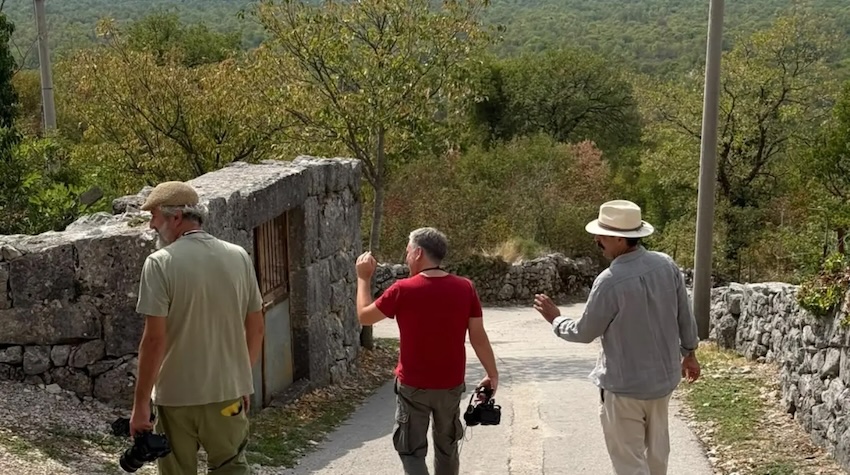
‘DRŽAVNI POSAO’ CREW FILMS NEW PROJECT IN TREBINJE
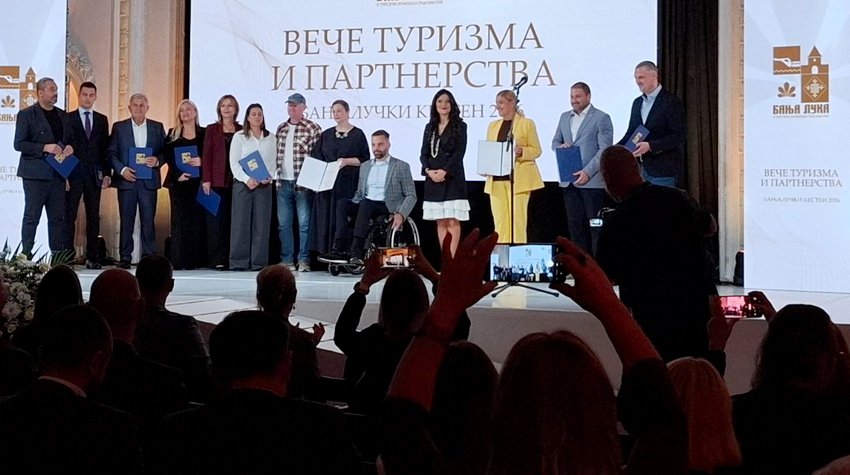
SEE SRPSKA RECEIVES CHARTER FROM BANJA LUKA TOURIST ORGANIZATION
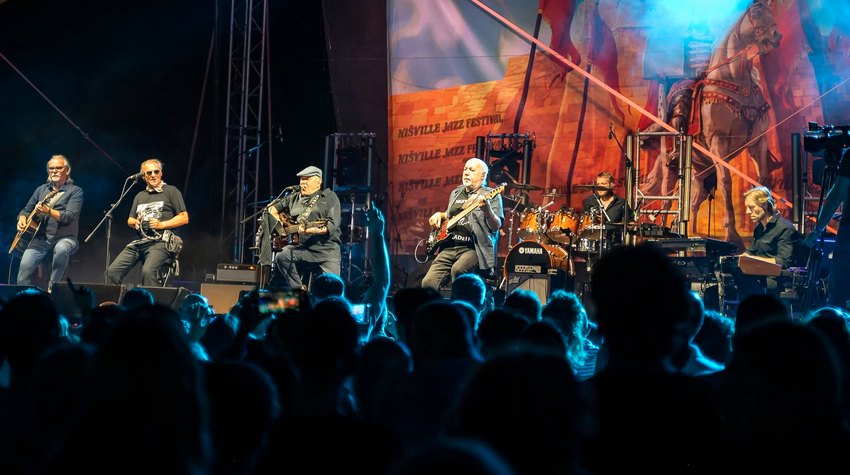
GALIJA TO CELEBRATE MAJOR ANNIVERSARY IN BANJA LUKA
NEW RAIL LINK BETWEEN REPUBLIKA SRPSKA AND SERBIA: DAILY TRAIN SERVICE FROM ZVORNIK TO BELGRADE
SEE SRPSKA RECEIVES CHARTER FROM BANJA LUKA TOURIST ORGANIZATION

BANJA LUKA BOOK FAIR 2026 OPENS TODAY
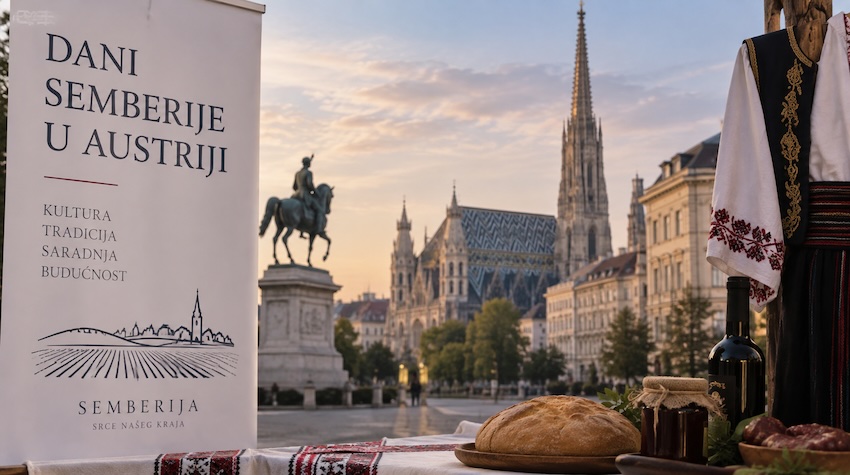
DAYS OF SEMBERIJA IN AUSTRIA: CULTURE, TRADITION AND LOCAL PRODUCTS PRESENTED TO AUSTRIAN AUDIENCES
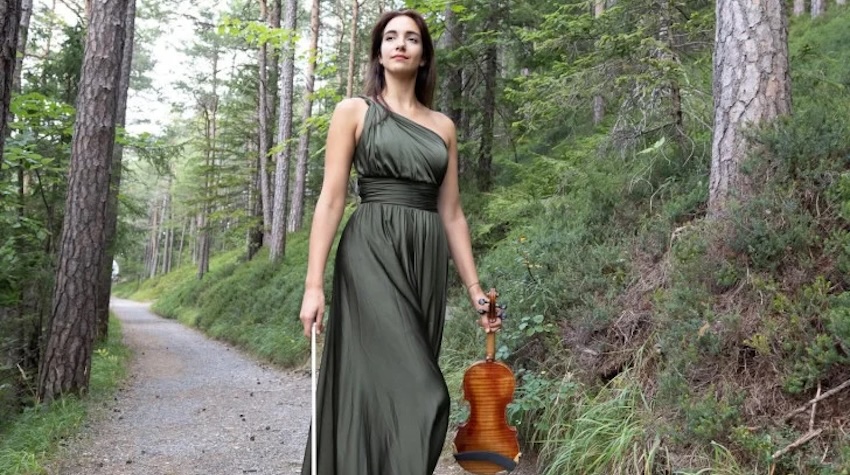
FROM EUROPEAN STAGES TO HER HOMETOWN: JOVANA RALJIĆ BRINGS VIVALDI TO BANJALUKA


 The situation at the border crossings