DO YOU KNOW WHICH TWO GREAT MEN ARE BURIED IN MALI RAZBOJ?
Mali Razboj, a small village in the fertile region of Lijevče Polje near Srbac, preserves stories of heroes, artists and intellectuals whose legacy continues to inspire new generations.
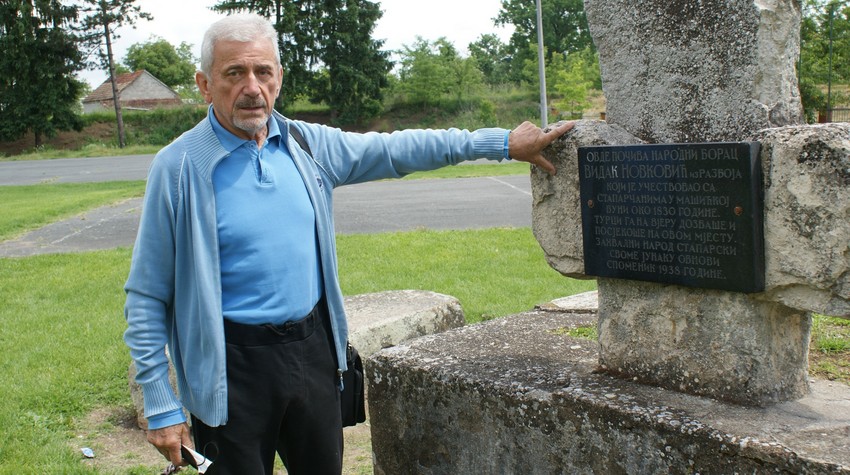
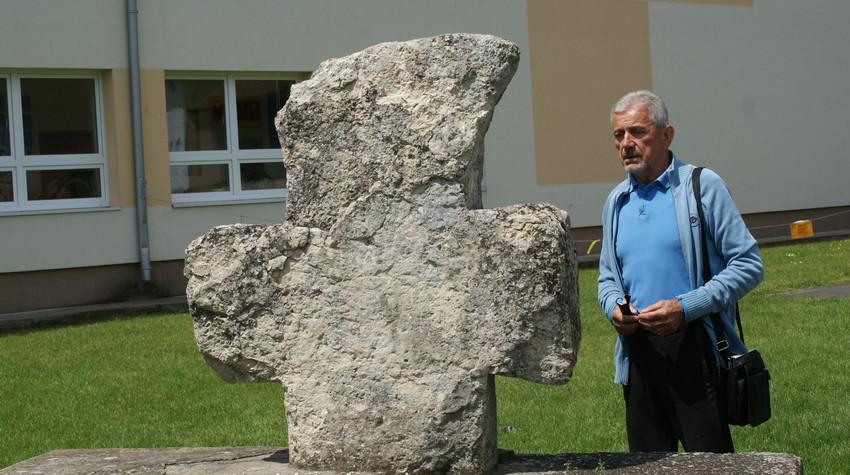
Writer
and professor of Serbian language and literature Miloš Milinčić often returns
to the courtyard of the local elementary school in Razboj, where history and
art intertwine in a unique way. According to him, this small village has
produced numerous heroes and artists whose stories deserve to be remembered.
For
generations, local residents have passed down stories about the bravery of
Vidak Novković, a local hero who stood against the Ottoman Empire in 1830 and
took part in the famous Mašić Rebellion.
Milinčić
wrote lasting records about Novković, believing that only the written word can
truly survive through time.
“Vidak
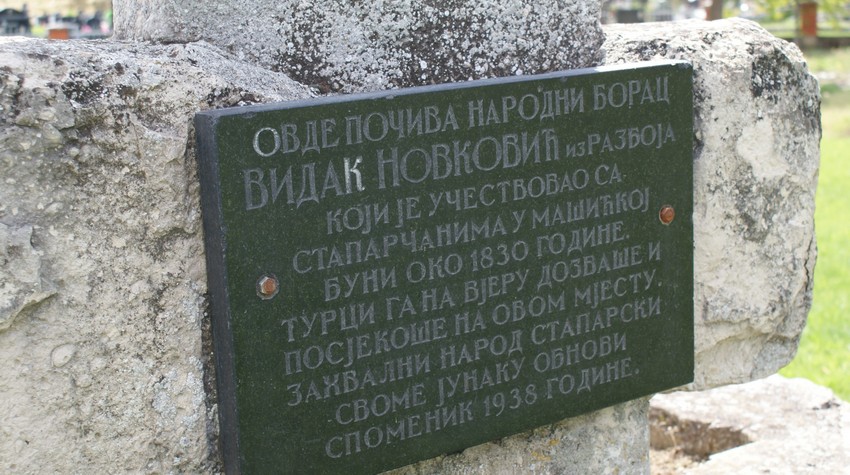
Novković from Razboj opposed the powerful Turks in 1830 and participated in the
well-known Mašić Rebellion. He was not alone, his people stood with him.
However, the Turks deceived and executed him at this very place, as written on
the memorial plaque. A century later, the people of this region erected a
monument in his honor,” Milinčić explained.
Only about fifty meters east of Novković’s grave stands the resting place of another prominent figure from the village – renowned actor Uglješa Kojadinović. Kojadinović was a leading figure of Zagreb’s dramatic theatre scene, remembered for his masterful performances in numerous theatre and television roles before eventually returning to his homeland to be buried in Razboj.
Milinčić
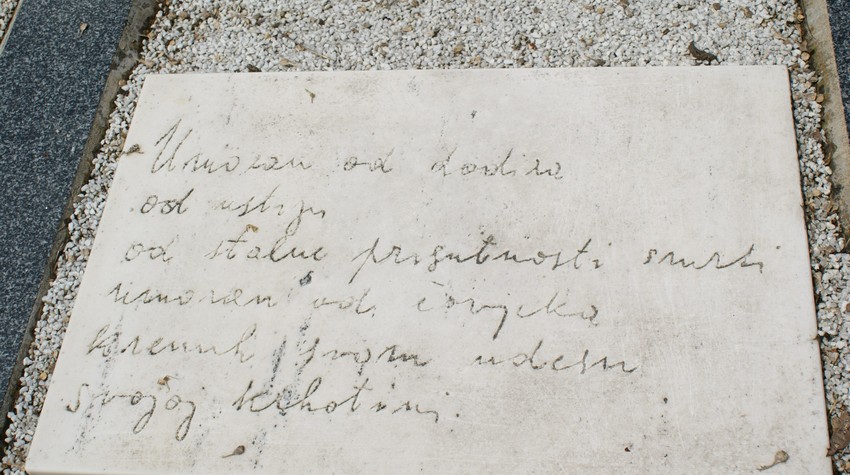
says Kojadinović’s grave carries a deeply emotional message. The actor
personally wrote the epitaph engraved on his tombstone:
“Tired
of touches, of lips, of the constant presence of death, tired of mankind, I
went toward my destiny, toward my fragment.”
According
to Milinčić, Kojadinović’s funeral transformed the small village cemetery into
something resembling an ancient Greek arena, as famous actors Fabijan
Šovagović, Rade Šerbedžija and Milan Štrljić stood side by side, reciting
verses in honor of their late colleague.
Milinčić
himself is the author of several important literary works, including the novel
Raspeće. The wider region is known for its rich literary tradition, with
writers and publicists continuously documenting local history and stories.
Among
them are Dragan Đurđević, who wrote about Razboj, university professor Rodoljub
Oljača, who documented nearby Kladari, and Goran Babić, who is currently
preparing his first collection of homeland stories.
Today,
Razboj remains a place where history and literature can be experienced at any
time of the year — thanks to the legacy of its remarkable people.

Join our
Viber Community
TRAVELING BY CAMPERVAN FOR THE FIRST TIME? HERE’S WHAT YOU SHOULD KNOW BEFORE YOU GO
NEW RAIL LINK BETWEEN REPUBLIKA SRPSKA AND SERBIA: DAILY TRAIN SERVICE FROM ZVORNIK TO BELGRADE
‘DRŽAVNI POSAO’ CREW FILMS NEW PROJECT IN TREBINJE
SEE SRPSKA RECEIVES CHARTER FROM BANJA LUKA TOURIST ORGANIZATION
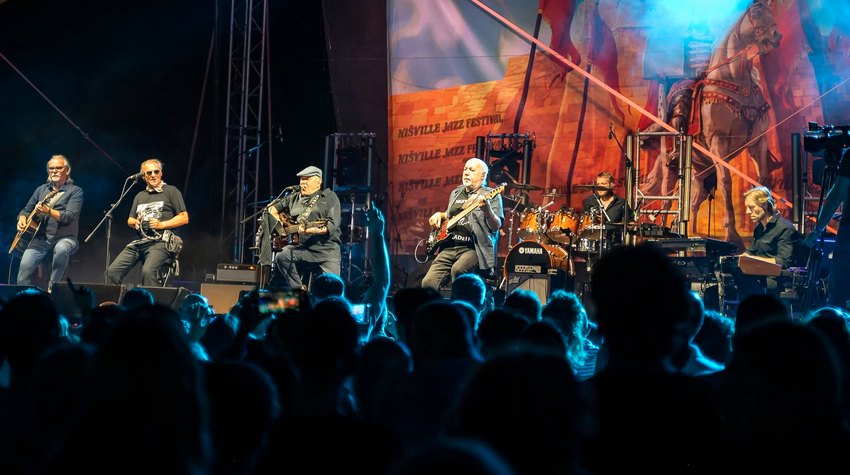
GALIJA TO CELEBRATE MAJOR ANNIVERSARY IN BANJA LUKA
SEE SRPSKA RECEIVES CHARTER FROM BANJA LUKA TOURIST ORGANIZATION
NEW RAIL LINK BETWEEN REPUBLIKA SRPSKA AND SERBIA: DAILY TRAIN SERVICE FROM ZVORNIK TO BELGRADE
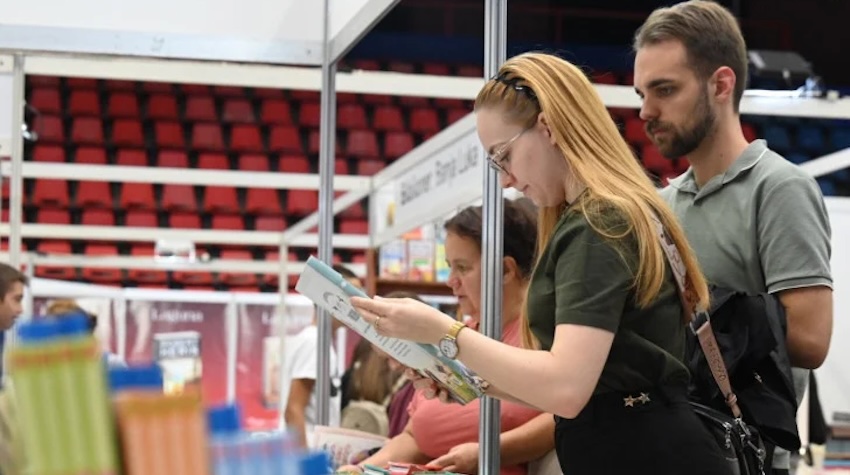
BANJA LUKA BOOK FAIR 2026 OPENS TODAY
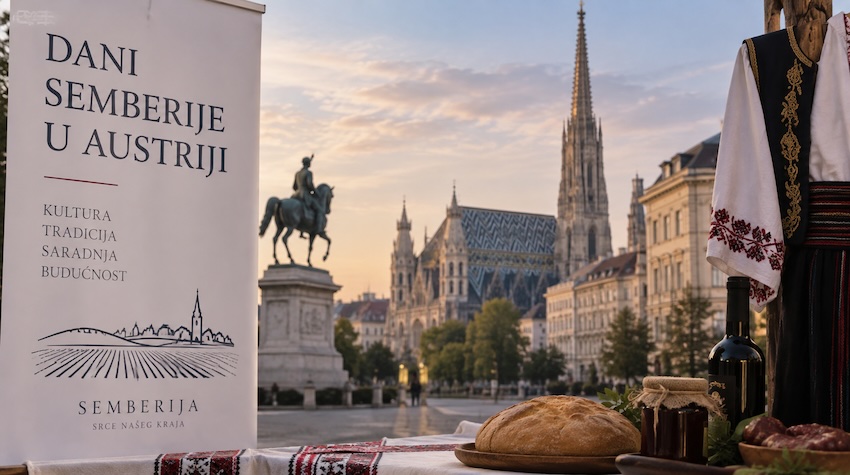
DAYS OF SEMBERIJA IN AUSTRIA: CULTURE, TRADITION AND LOCAL PRODUCTS PRESENTED TO AUSTRIAN AUDIENCES
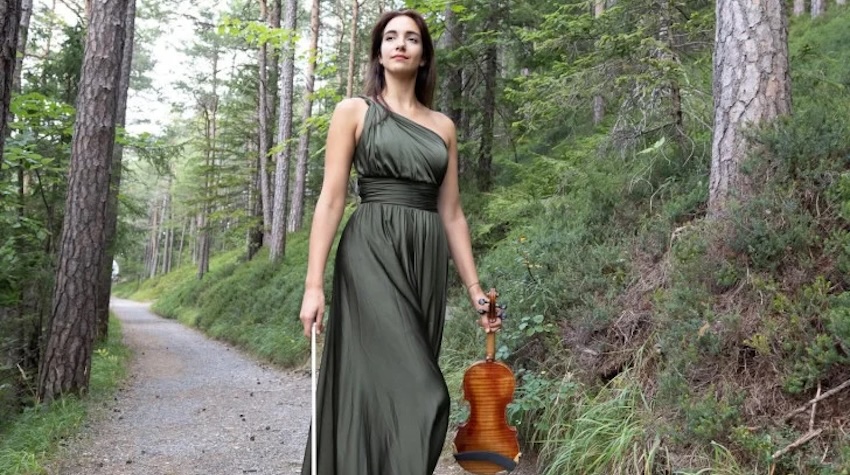
FROM EUROPEAN STAGES TO HER HOMETOWN: JOVANA RALJIĆ BRINGS VIVALDI TO BANJALUKA

 The situation at the border crossings