FASCINATING FACTS AND STATISTICS ABOUT CITIES IN REPUBLIKA SRPSKA
Republika Srpska comprises 64 local self-government units, including 11 cities: Banja Luka, Bijeljina, Gradiška, Derventa, Doboj, Zvornik, Istočno Sarajevo, Laktaši, Prijedor, Prnjavor, and Trebinje. As the year draws to a close, the Republika Srpska Institute of Statistics has analyzed these cities across various parameters, including demographics, labor market trends, trade, industry, tourism, and more.

According to the report, Banja Luka outperforms other cities in nearly all analyzed parameters, except for industrial product sales, where Trebinje takes the lead.
Population Trends: Banja Luka has the highest population, while Derventa has the smallest. Since 2019, population growth has been recorded in Banja Luka, Trebinje, and Istočno Sarajevo, while the other cities have seen a decline. Remarkably, a third of Republika Srpska's population (32.7%) resides in Banja Luka, Bijeljina, and Prijedor combined. The average population density for the region is 45 residents per square kilometer, but in the 11 cities, it stands at 85 residents per square kilometer, with the highest density in Banja Luka and Bijeljina and the lowest in Trebinje and Istočno Sarajevo.
Average Age: The average age of the population in Republika Srpska is 43.9 years. Among the cities, Prijedor has the oldest population on average, while Banja Luka has the youngest.
LABOR MARKET INSIGHTS
Banja Luka accounts for 27% of total employment in Republika Srpska, the highest share, while Prnjavor contributes just 3%. Laktaši has seen the highest relative employment growth since 2019 (17%), while Derventa has the lowest (2%). Bijeljina has the largest proportion of job seekers (9%), while Derventa has the smallest (1%). When comparing employment and unemployment, Zvornik has the least favorable ratio, whereas Banja Luka has the best.
Wages: Four cities report average wages above the Republika Srpska average, with the highest in Banja Luka and the lowest in Laktaši. Wage growth since 2019 has been most significant in Banja Luka and least pronounced in Trebinje.
Pensions: Banja Luka has the highest number of pensioners, while Derventa has the fewest. Prijedor has the highest ratio of pensioners to employed persons (98%), and Laktaši the lowest (46%). The highest average pensions are paid in Istočno Sarajevo and Banja Luka, while the lowest are in Prnjavor.
TRADE AND INDUSTRY
Banja Luka leads in both imports and exports, accounting for 10% of Republika Srpska's total exports and 44% of its imports in 2023. However, Trebinje has the highest export-to-import ratio (359%), while Banja Luka has the lowest (23%). Trebinje recorded the most significant export growth since 2019 (133%), while Zvornik had the lowest (17%).
Industrial Sales: Trebinje and Banja Luka recorded the highest industrial product sales in 2023, with the 11 cities contributing 69% of Republika Srpska’s total industrial sales.
TOURISM BOOM
Banja Luka and Trebinje together account for 44% of tourist arrivals, with the 11 cities representing 80% of total tourist arrivals in Republika Srpska. Most cities attract more foreign tourists than domestic ones. Since 2019, Trebinje and Zvornik have experienced the highest relative growth in tourist arrivals (around 50%), while six cities saw a decline in overnight stays.
TRANSPORT AND VEHICLES
Banja Luka has the highest number of registered vehicles (19%), while Derventa has the fewest (2.6%). Since 2019, nearly all cities have reported a higher relative growth in registered vehicles than the regional average of 9%. Laktaši leads with a 17% growth rate.
INVESTMENTS IN CAPITAL ASSETS
Banja Luka and Trebinje dominate in investments in fixed assets, both in absolute terms and in relative growth since 2019. Conversely, Istočno Sarajevo, Zvornik, and Gradiška reported declines in this area.
CONSUMER PRICE INDICES
Consumer prices are monitored in six cities. In 2023, prices rose the most in Istočno Sarajevo (4.1%) and the least in Prijedor (2.8%) compared to December 2022.
The report highlights Banja Luka’s dominant role across numerous economic and demographic parameters, with Trebinje emerging as a strong performer in industrial sales, export growth, and tourism. As Republika Srpska moves forward, these insights provide valuable guidance for regional development and planning.

Join our
Viber Community
TRAVELING BY CAMPERVAN FOR THE FIRST TIME? HERE’S WHAT YOU SHOULD KNOW BEFORE YOU GO
NEW RAIL LINK BETWEEN REPUBLIKA SRPSKA AND SERBIA: DAILY TRAIN SERVICE FROM ZVORNIK TO BELGRADE
‘DRŽAVNI POSAO’ CREW FILMS NEW PROJECT IN TREBINJE
SEE SRPSKA RECEIVES CHARTER FROM BANJA LUKA TOURIST ORGANIZATION

GALIJA TO CELEBRATE MAJOR ANNIVERSARY IN BANJA LUKA
NEW RAIL LINK BETWEEN REPUBLIKA SRPSKA AND SERBIA: DAILY TRAIN SERVICE FROM ZVORNIK TO BELGRADE
SEE SRPSKA RECEIVES CHARTER FROM BANJA LUKA TOURIST ORGANIZATION
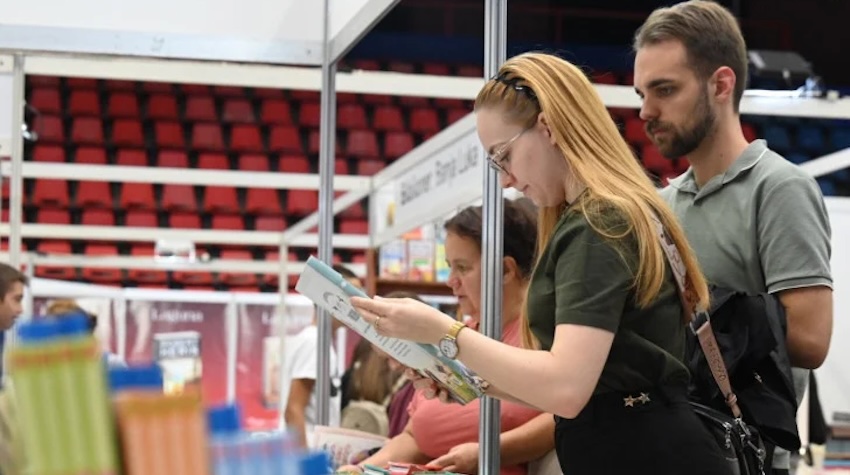
BANJA LUKA BOOK FAIR 2026 OPENS TODAY
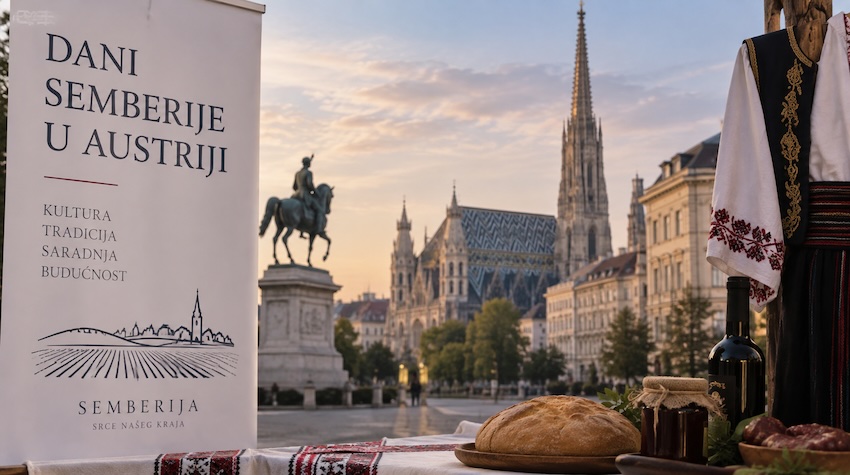
DAYS OF SEMBERIJA IN AUSTRIA: CULTURE, TRADITION AND LOCAL PRODUCTS PRESENTED TO AUSTRIAN AUDIENCES
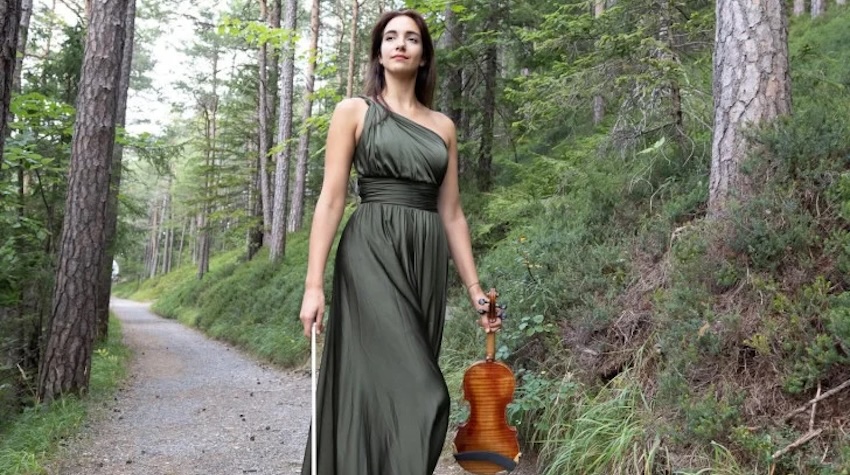
FROM EUROPEAN STAGES TO HER HOMETOWN: JOVANA RALJIĆ BRINGS VIVALDI TO BANJALUKA

 The situation at the border crossings