WHAT THE NATIONAL PAYMENT CARD BRINGS TO REPUBLIKA SRPSKA
The introduction of a national payment card in Republika Srpska is already underway, with the first steps taken toward a financial shift that could significantly reduce the outflow of money, lower employer costs, and potentially allow retailers to adjust product prices in favor of consumers.

This initiative was publicly announced by Milorad Dodik, the President of Republika Srpska, who emphasized that the national card would be issued by domestic banks and backed by the incomes of individuals and businesses.
“We will seek to introduce a national payment card issued by our banks, backed by local revenue sources,” Dodik stated.
The idea originated from Saša Trivić, Vice President of the Union of Employers of Republika Srpska, who highlights numerous advantages of this system. One of the primary benefits, according to Trivić, is the promotion of digital payments over cash, which aids in combating the gray economy by improving transaction traceability.
“This measure brings several benefits. Most notably, it would increase the use of digital money over physical cash. That alone helps fight the shadow economy,” Trivić told Glas Srpske.
Additionally, the shift would ease the burden on employers, as handling cash comes with costs—from logistics and security to administration. Trivić points out that reducing cash operations could significantly lower business expenses.
A key objective of the initiative is to retain fees currently paid to foreign card companies within Republika Srpska. Trivić explains that international card providers charge merchants between 1.5% and 2% per transaction, a percentage that could stay within the local economy if a domestic card is used instead.
“With a national card, that money remains in our financial system. Both merchants and consumers would benefit,” he said.
To use the national card, each citizen would need to open a bank account. The card would be linked directly to that account, functioning in a similar way to existing foreign cards but channeled through domestic infrastructure.
“We are currently paying foreign companies to use their cards. It would be far better to pay our own banks and keep that money in Republika Srpska,” Trivić noted.
The measure is also included in the official platform of Prime Minister Savo Minić, and preliminary steps have already been taken by the Ministry of Finance, Trivić added. While legal and technical requirements remain, the rollout could be completed within a year.
“Once implemented, it will lead to greater financial discipline and lower overall costs,” Trivić concluded.
The card is expected to be modeled after Serbia’s "Dina" card, the national payment card system established in 2003 by the National Bank of Serbia in cooperation with commercial banks. Dina enables cardholders to make payments for goods and services, withdraw cash, pay via mobile phone, shop online, and even conduct transactions at Treasury Administration counters.
The primary goals of Serbia’s "DinaCard" system were to accelerate cashless payments, reduce the volume of cash in circulation, and combat the shadow economy—objectives that Republika Srpska now aims to mirror with its own national payment card system.

Join our
Viber Community
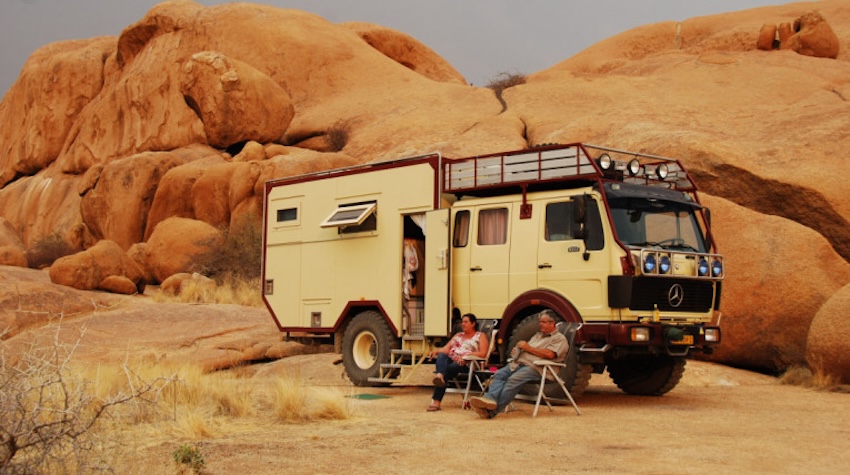
TRAVELING BY CAMPERVAN FOR THE FIRST TIME? HERE’S WHAT YOU SHOULD KNOW BEFORE YOU GO
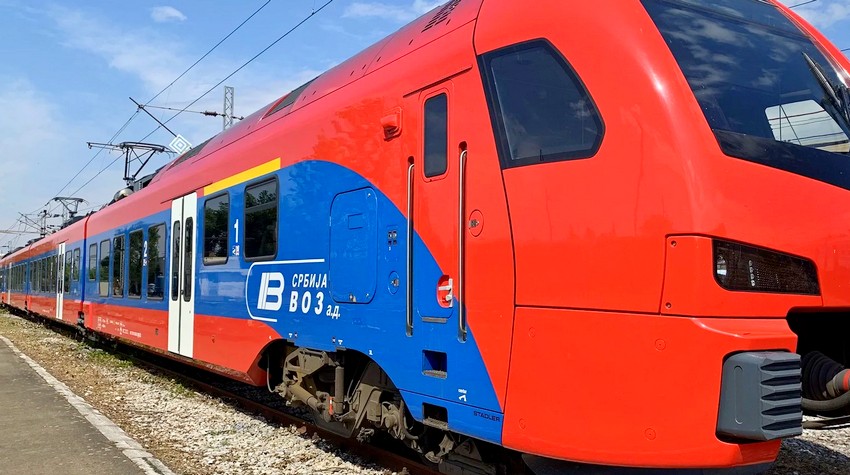
NEW RAIL LINK BETWEEN REPUBLIKA SRPSKA AND SERBIA: DAILY TRAIN SERVICE FROM ZVORNIK TO BELGRADE
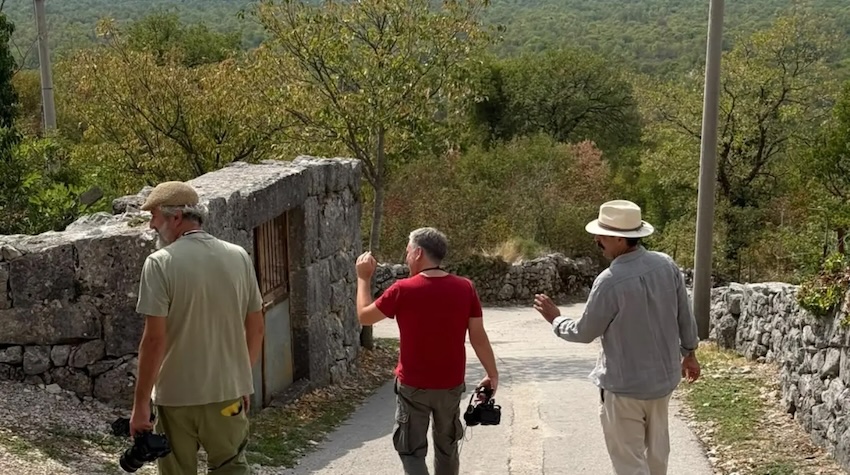
‘DRŽAVNI POSAO’ CREW FILMS NEW PROJECT IN TREBINJE
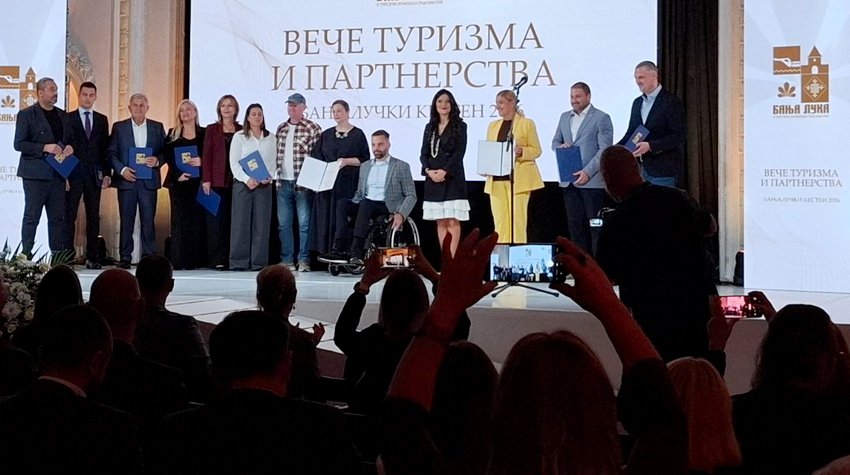
SEE SRPSKA RECEIVES CHARTER FROM BANJA LUKA TOURIST ORGANIZATION
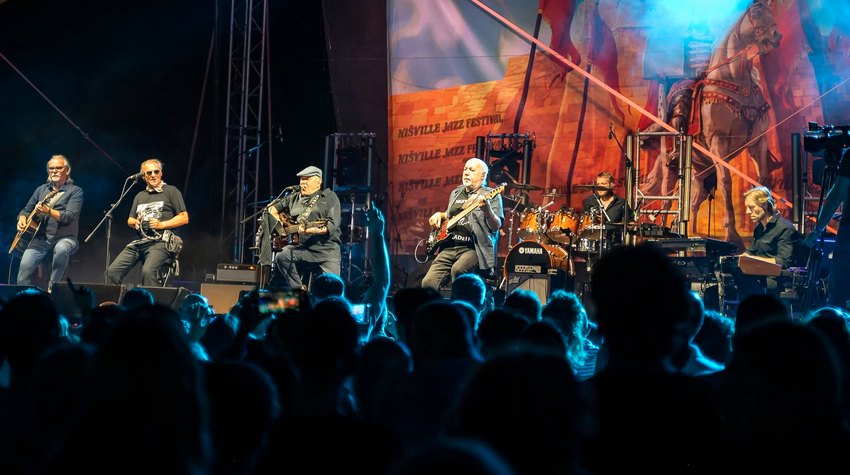
GALIJA TO CELEBRATE MAJOR ANNIVERSARY IN BANJA LUKA
NEW RAIL LINK BETWEEN REPUBLIKA SRPSKA AND SERBIA: DAILY TRAIN SERVICE FROM ZVORNIK TO BELGRADE
SEE SRPSKA RECEIVES CHARTER FROM BANJA LUKA TOURIST ORGANIZATION
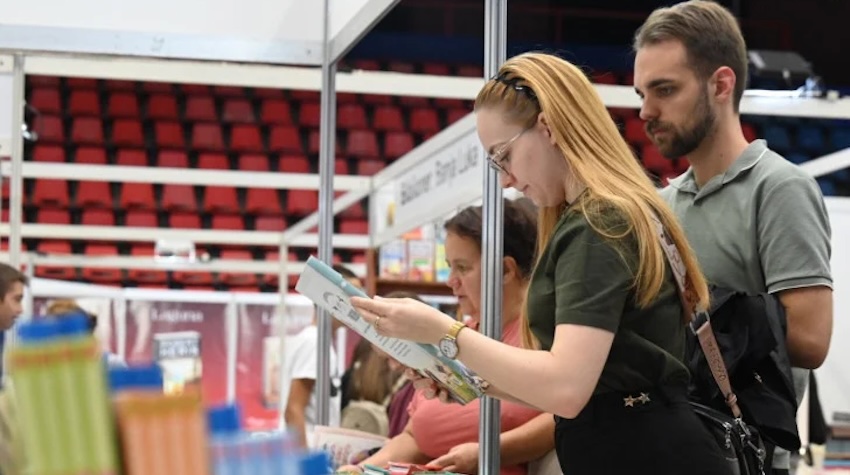
BANJA LUKA BOOK FAIR 2026 OPENS TODAY
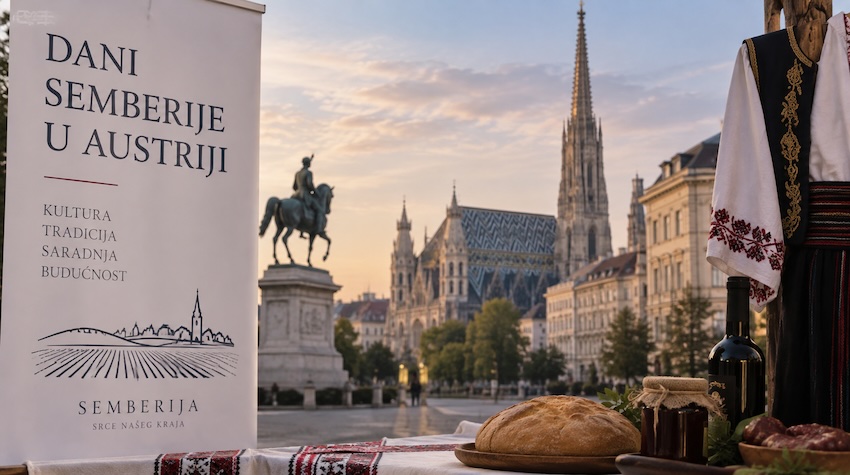
DAYS OF SEMBERIJA IN AUSTRIA: CULTURE, TRADITION AND LOCAL PRODUCTS PRESENTED TO AUSTRIAN AUDIENCES

FROM EUROPEAN STAGES TO HER HOMETOWN: JOVANA RALJIĆ BRINGS VIVALDI TO BANJALUKA

 The situation at the border crossings