SRPSKA CONSIDERS TAX ON OWNERS OF ILLEGALLY BUILT WEEKEND HOUSES
The Government of Republika Srpska is considering the introduction of a tax on illegally constructed buildings located in river zones, following an initiative by the public enterprise “Vode Srpske,” according to reports by CAPITAL.
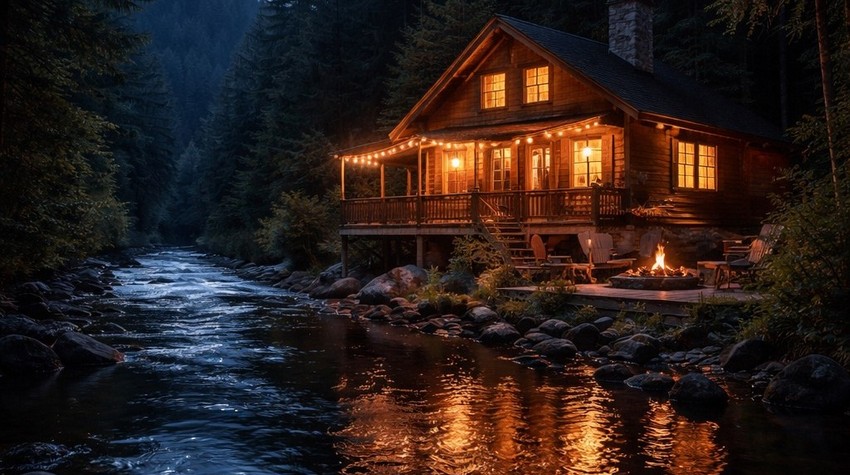
Although precise data is unavailable,
preliminary estimates suggest that at least 5,000 structures have been built on
flood-prone land, where construction is prohibited under the Law on Waters.
Most of these buildings are weekend houses,
increasingly advertised on popular rental platforms such as Booking, generating
significant income for their owners. This trend has drawn the attention of
authorities, who are now seeking ways to regulate the situation and secure
potential budget revenue.
At a government session held on March 5, a decision was adopted to appoint a working group tasked with addressing the issue of illegally built structures.
The group includes representatives from the
Ministry of Spatial Planning, the Ministry of Agriculture, Forestry and Water
Management, the Inspectorate, the Attorney General’s Office, the Association of
Municipalities and Cities, and “Vode Srpske.”
According to the official decision, the
appointed members are required to promptly begin joint work on analyzing
possible solutions, including amendments to existing laws and the adoption of
new regulations. The goal is to explore options for temporarily allowing such
structures to remain in place in exchange for the payment of appropriate fees,
until a final resolution is reached.
Miroslav Milovanović, Director of “Vode
Srpske,” told CAPITAL that their analysis identified 773 illegal structures
built along the stretch from Zvornik Lake to Novo Goražde alone.
He explained that the company had proposed
either demolishing illegal buildings or introducing a new legal framework that
would permit their temporary use, subject to an annual fee that would
contribute to the public budget.
“Only a small number of these buildings are
used as permanent residences. Most are weekend houses or rental properties. The
lowest fees would apply to homes where people live, higher fees for weekend
use, and significantly higher charges for properties used for rental purposes,”
Milovanović said.
He added that the working group is expected to
soon define which laws need to be amended and to what extent, in order to begin
implementing these measures.

Join our
Viber Community
TRAVELING BY CAMPERVAN FOR THE FIRST TIME? HERE’S WHAT YOU SHOULD KNOW BEFORE YOU GO
NEW RAIL LINK BETWEEN REPUBLIKA SRPSKA AND SERBIA: DAILY TRAIN SERVICE FROM ZVORNIK TO BELGRADE
‘DRŽAVNI POSAO’ CREW FILMS NEW PROJECT IN TREBINJE
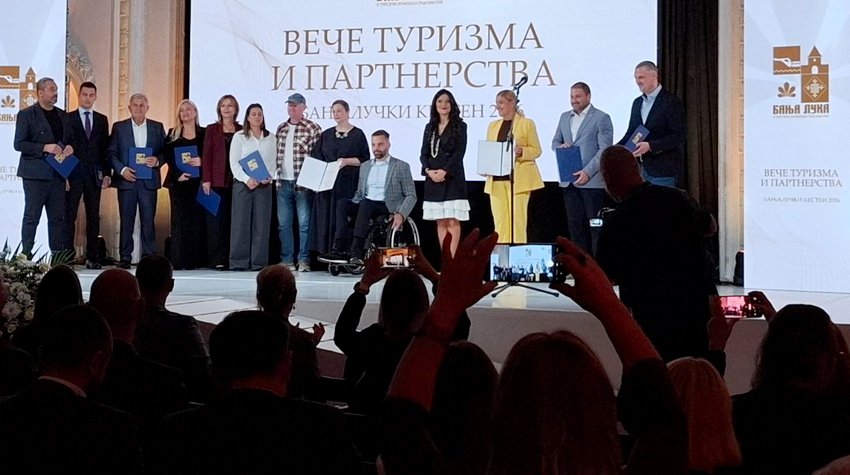
SEE SRPSKA RECEIVES CHARTER FROM BANJA LUKA TOURIST ORGANIZATION

GALIJA TO CELEBRATE MAJOR ANNIVERSARY IN BANJA LUKA
NEW RAIL LINK BETWEEN REPUBLIKA SRPSKA AND SERBIA: DAILY TRAIN SERVICE FROM ZVORNIK TO BELGRADE
SEE SRPSKA RECEIVES CHARTER FROM BANJA LUKA TOURIST ORGANIZATION

BANJA LUKA BOOK FAIR 2026 OPENS TODAY
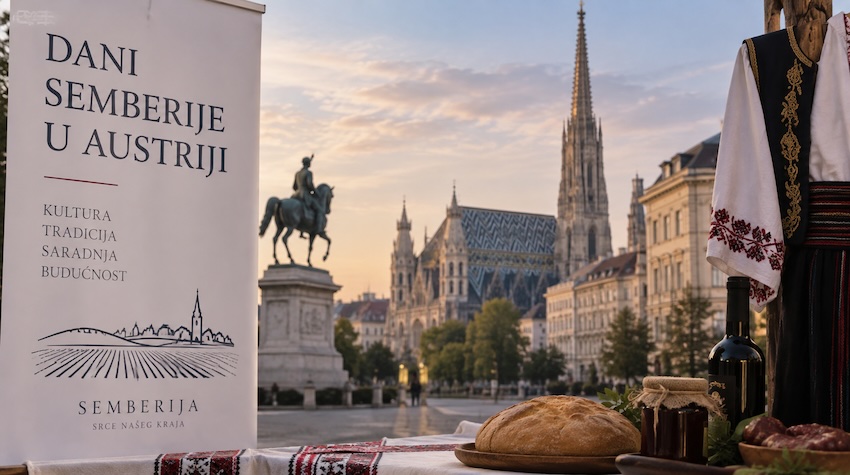
DAYS OF SEMBERIJA IN AUSTRIA: CULTURE, TRADITION AND LOCAL PRODUCTS PRESENTED TO AUSTRIAN AUDIENCES
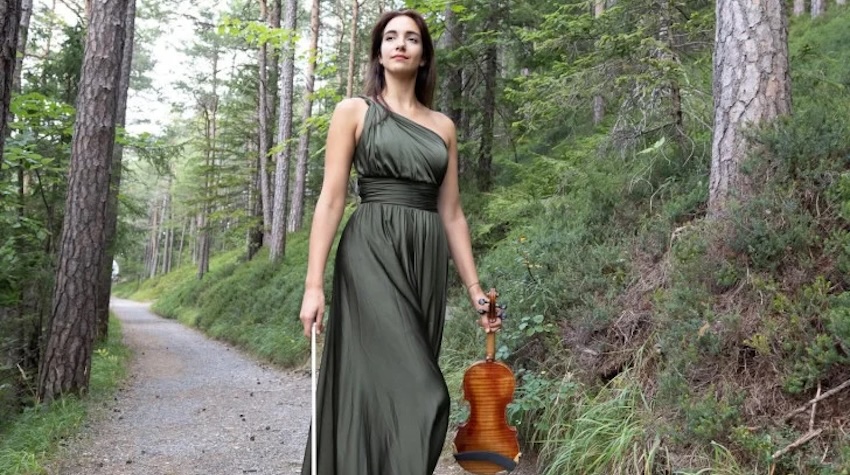
FROM EUROPEAN STAGES TO HER HOMETOWN: JOVANA RALJIĆ BRINGS VIVALDI TO BANJALUKA


 The situation at the border crossings