PRICES OF PREFABRICATED HOUSES IN REPUBLIC OF SRPSKA EXPECTED TO RISE NEXT YEAR
Demand for prefabricated houses across the Republic of Srpska has been growing steadily, but companies in the sector are warning future homeowners to prepare for significant price increases starting next year, driven by rising material costs and a shortage of skilled workers.

According
to manufacturers, prefab homes remain popular because they are affordable,
eco-friendly, energy-efficient and ready for move-in within a relatively short
period. The lifespan of the materials used in construction is estimated at
around 100 years.
Dragan
Berić, owner of the Banja Luka–based company “Berić,” told Nezavisne novine
that most of their buyers are young married couples.
“In
the past, it took us around 30 days to build a prefabricated house. Now we need
about 60 days because we’re facing major shortages of skilled workers,” Berić
explained.
He
noted that the current price is around 900 KM per square meter, but that an
increase is inevitable.
“I
expect the price to reach about 1,250 KM per square meter, because anything
below that is simply not profitable,” he said, adding that homes between 70 and
120 square meters are the most sought after.
Berić
also warned about a growing number of misleading ads circulating on social
media, falsely offering prefab homes at unrealistically low prices.
The Banja Luka company “Trend” reports a similar situation, stating that business volume is rising daily and that most of their clients are young people.
“A lot
of young couples choose this type of housing. Prices range from 900 to 1,100 KM
per square meter, and we work across the entire territory of Bosnia and
Herzegovina,” the company said.
They
pointed out that the price does not include foundation construction, which they
provide only in the Banja Luka area. From contract signing to the start of
works, buyers currently wait two to two and a half months.
“It
takes about 90 days to fully build the house,” they added, noting that the
smallest possible size is 40 square meters, while most clients opt for 60, 65
or up to 120 square meters.
The
company also expects higher prices next year due to supplier announcements of
material cost increases, though the exact percentage is still unknown.
Radenko Rosić, owner of the prefab home manufacturing company “Roleks” from Omarska, told Nezavisne novine that demand is rising almost daily.
“Clients
are asking for better quality, but the biggest issue is the lack of workers.
When employees acquire the necessary skills, they often leave for jobs abroad,”
Rosić said.
He
added that demand is significantly higher compared to last year and continues
to grow annually. A large portion of their clients comes from the diaspora.
“About
80 percent of our clients don’t live here permanently — they come twice a
year,” he explained.
A
future homeowner from Srbac shared his reasons for choosing a prefabricated
house on a recently purchased plot in Banja Luka.
“My
wife and I decided on a prefab home because it is more cost-effective, quicker
to build and more energy-efficient than traditional construction,” he said.
He
emphasized one key advantage for renters.
“Speed
matters a lot for people who pay rent. With a prefab house, you avoid paying
rent and mortgage installments for years at the same time. In just a few
months, you get the keys in your hand. With traditional construction, you often
wait several years to move in, which creates a huge financial burden,” he
explained.

Join our
Viber Community
TRAVELING BY CAMPERVAN FOR THE FIRST TIME? HERE’S WHAT YOU SHOULD KNOW BEFORE YOU GO
NEW RAIL LINK BETWEEN REPUBLIKA SRPSKA AND SERBIA: DAILY TRAIN SERVICE FROM ZVORNIK TO BELGRADE
‘DRŽAVNI POSAO’ CREW FILMS NEW PROJECT IN TREBINJE
SEE SRPSKA RECEIVES CHARTER FROM BANJA LUKA TOURIST ORGANIZATION
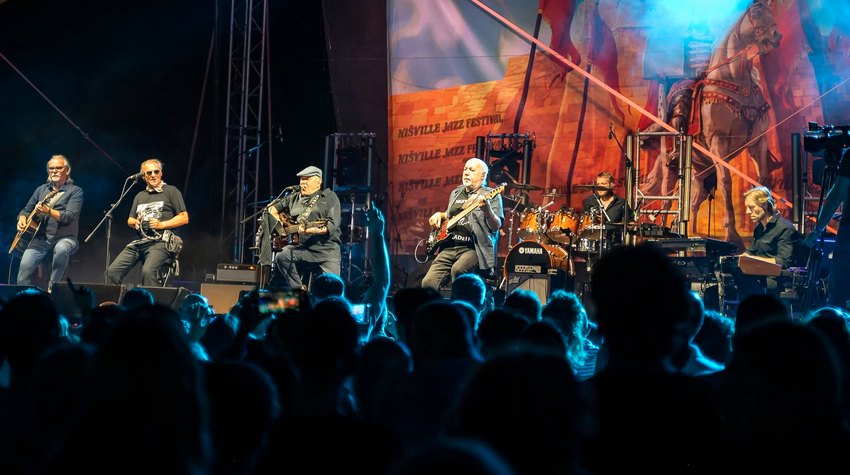
GALIJA TO CELEBRATE MAJOR ANNIVERSARY IN BANJA LUKA
NEW RAIL LINK BETWEEN REPUBLIKA SRPSKA AND SERBIA: DAILY TRAIN SERVICE FROM ZVORNIK TO BELGRADE
SEE SRPSKA RECEIVES CHARTER FROM BANJA LUKA TOURIST ORGANIZATION
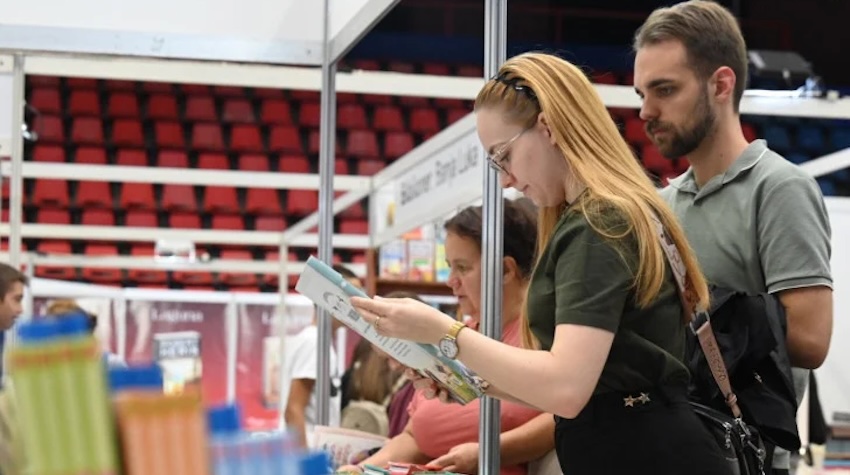
BANJA LUKA BOOK FAIR 2026 OPENS TODAY
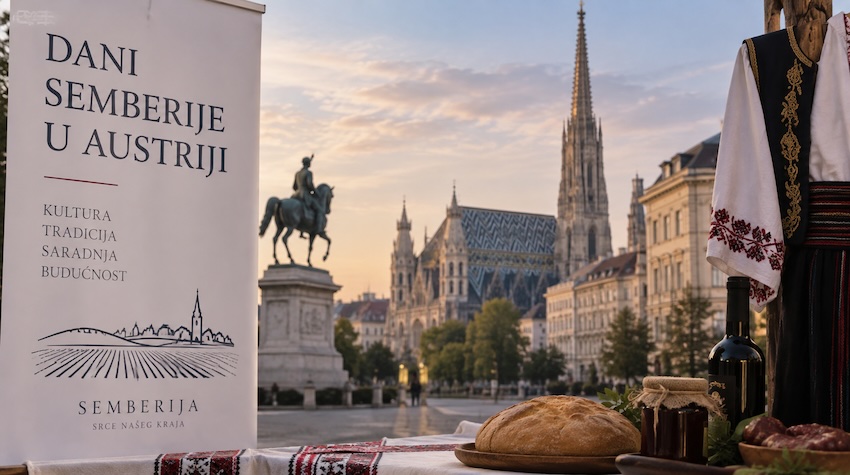
DAYS OF SEMBERIJA IN AUSTRIA: CULTURE, TRADITION AND LOCAL PRODUCTS PRESENTED TO AUSTRIAN AUDIENCES
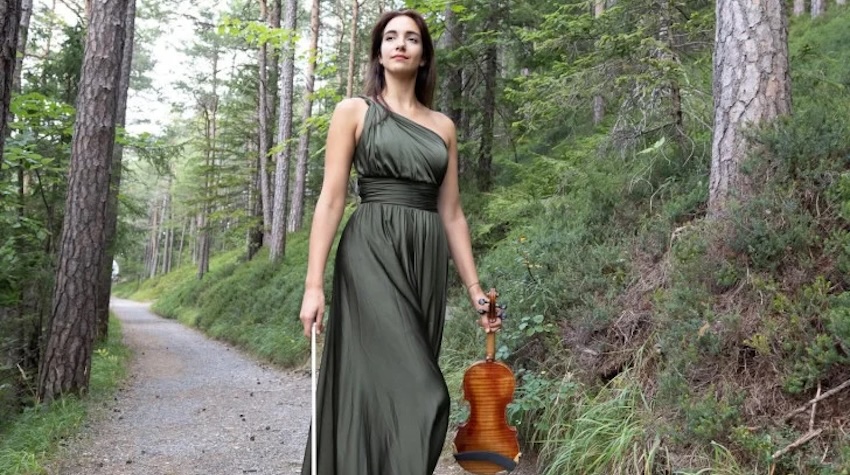
FROM EUROPEAN STAGES TO HER HOMETOWN: JOVANA RALJIĆ BRINGS VIVALDI TO BANJALUKA

 The situation at the border crossings