PLACES IN SRPSKA WITH POSITIVE NATURAL POPULATION GROWTH
The demographic picture of Republika Srpska in 2023 is characterized by an increased number of births and positive natural population growth in four local communities – Laktaši, Kotor Varoš, Istočni Drvar, and Petrovac, said Aleksandar Majić from the Department of Social Geography and Demography at the Faculty of Natural Sciences and Mathematics in Banja Luka.

According to him, 9,309 children were born in Republika Srpska last year, which is 150 more than in 2022.
"As for the birth rate over the last 10 years in Republika Srpska, the number of births has been around 9,300. That number has ranged from 9,100 to 9,500, so we can be satisfied as we are maintaining the same level. Last year's situation is much more favorable compared to the previous year," Majić emphasized.
The primary goal, Majić noted, is to maintain the number of births in Republika Srpska above 9,000, which is achievable through population policy measures.
"The current fertility rate in Republika Srpska is 1.45, or 1.45 children per woman, which is insufficient for simple population replacement, as at least 2.1 children are needed. With a fertility rate above three, we could compensate for demographic losses," Majić explained.
He added that low birth rates are the biggest problem for the entire region and that a common demographic feature is the increasing age of women at childbirth.
"Over the past 25 years, since official statistics have been kept, the average age of women at childbirth has increased by three years. Previously, it was around 24.5 to 25 years, and now it is 28 years," Majić pointed out.
The average age of the population in Republika Srpska is 44 years, while the proportion of elderly persons, above 65 years, is 22 percent, which is on par with neighboring countries.
Majić stressed that in the next 10 years, mortality will be the key determinant of the natural population movement in Republika Srpska.
"Our population is aging, and this disturbed age structure significantly impacts the increase in the number of deaths. Some municipalities and cities that traditionally had positive natural population trends, like Banja Luka, have had negative natural growth over the past five years," Majić said.
Majić also noted that Republika Srpska, within Bosnia and Herzegovina, has a positive migration balance in terms of internal migration, with regional centers such as Banja Luka, Trebinje, Bijeljina, and Istočno Sarajevo consistently receiving an influx of population.

Join our
Viber Community
TRAVELING BY CAMPERVAN FOR THE FIRST TIME? HERE’S WHAT YOU SHOULD KNOW BEFORE YOU GO
NEW RAIL LINK BETWEEN REPUBLIKA SRPSKA AND SERBIA: DAILY TRAIN SERVICE FROM ZVORNIK TO BELGRADE
‘DRŽAVNI POSAO’ CREW FILMS NEW PROJECT IN TREBINJE
SEE SRPSKA RECEIVES CHARTER FROM BANJA LUKA TOURIST ORGANIZATION

GALIJA TO CELEBRATE MAJOR ANNIVERSARY IN BANJA LUKA
NEW RAIL LINK BETWEEN REPUBLIKA SRPSKA AND SERBIA: DAILY TRAIN SERVICE FROM ZVORNIK TO BELGRADE
SEE SRPSKA RECEIVES CHARTER FROM BANJA LUKA TOURIST ORGANIZATION
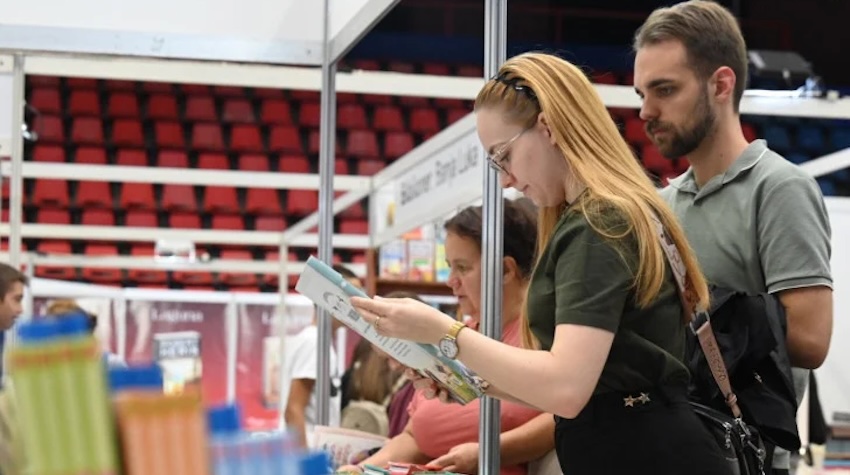
BANJA LUKA BOOK FAIR 2026 OPENS TODAY
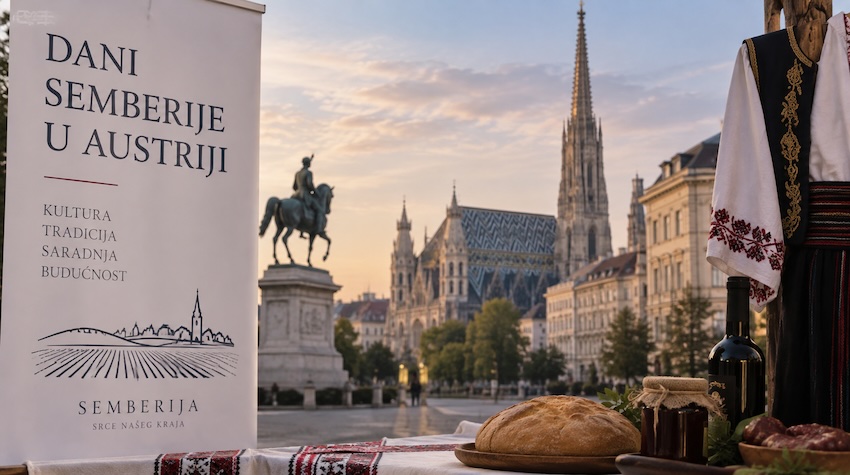
DAYS OF SEMBERIJA IN AUSTRIA: CULTURE, TRADITION AND LOCAL PRODUCTS PRESENTED TO AUSTRIAN AUDIENCES
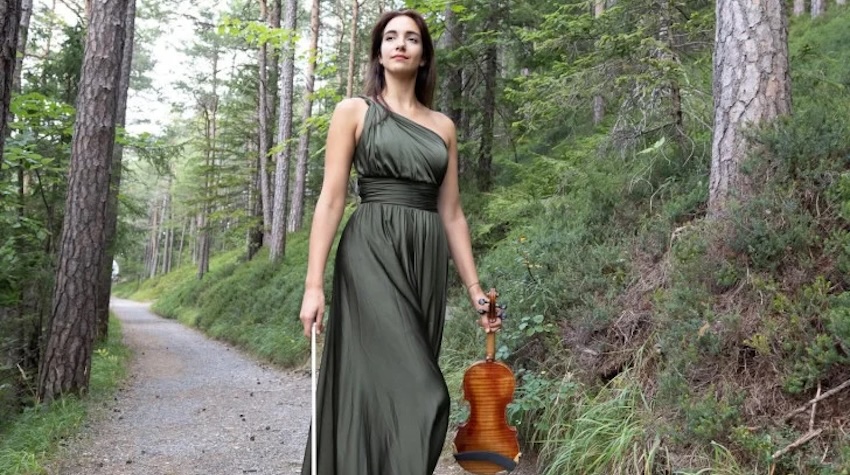
FROM EUROPEAN STAGES TO HER HOMETOWN: JOVANA RALJIĆ BRINGS VIVALDI TO BANJALUKA

 The situation at the border crossings