WARNING! FAKE DISCOUNTS STILL PRESENT IN STORES
Despite the fact that this year’s “Black Friday” in Republika Srpska was marked by the introduction of a new Consumer Protection Law aimed at eliminating fake discounts, early inspections, according to experts, show that many retailers are still ignoring the regulations. The lack of inspectors in the field further opens the door to abuse.
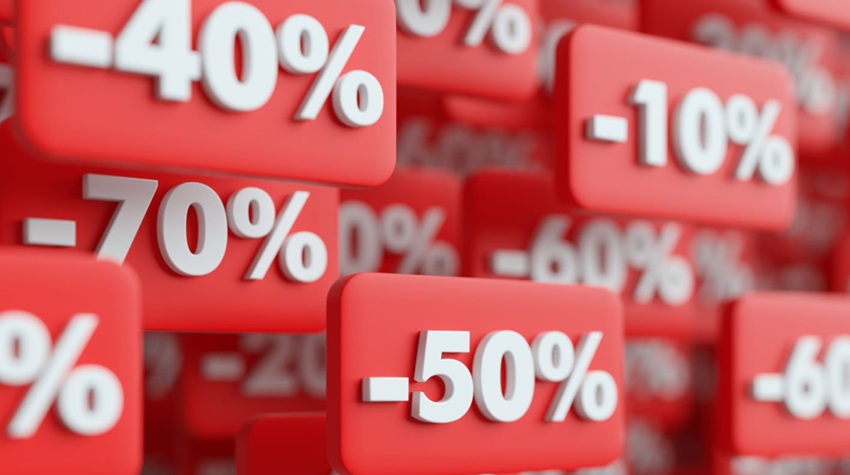
Just before this year’s Black Friday, the new Consumer Protection Law came into force in Republika Srpska. As stated by the RS Inspectorate, the first comprehensive analyses of its effects and implementation can be expected in the coming period. They emphasized that a certain amount of time must pass before meaningful conclusions can be drawn about real progress in consumer protection.
“Since Black Friday coincided with the very introduction of the new law, the market inspection carried out checks in retail stores late last week. Out of 80 inspections conducted, 13 violations were identified, corrective measures were ordered, and 11 misdemeanor fines totaling 7,000 KM were issued,” the Inspectorate said.
They added that the most common irregularities involved the issuing of receipts, displaying of prices, and maintaining business records and documentation.
“During inspections, inspectors reminded retailers that the new law had entered into force and that they are required to adjust their business practices to all prescribed provisions within the six-month transitional period,” the Inspectorate noted, adding that, according to feedback, most retailers are already familiar with the legal changes.
The Inspectorate stressed that they expect retailers to fulfill their obligations without the need for harsher measures.
“The goal of inspection oversight is not punishment itself, but rather the creation of an orderly and transparent market where consumer rights guaranteed by law are respected,” they emphasized.
While oversight in Republika Srpska had a more advisory character, significantly higher fines were issued in the Federation of BiH. The Federal Administration for Inspection Affairs reported that retail stores in Sarajevo, Tuzla, Tešanj, and Mostar were fined a total of 67,900 KM, with violations found in as many as 96 percent of inspected businesses. The most common breaches involved unclear or incomplete price labeling before and after discounts, as well as irregularities in promotional campaigns, product declarations, and expiration dates.
Murisa Marić, executive director of the Prijedor-based consumer association “Don,” told Glas that violations indeed exist, but the problem also lies in the fact that many citizens in Republika Srpska are not familiar with the new regulations—particularly the requirement that each product must display the lowest price from the previous 30 days. She also pointed out the long-standing issue of the insufficient number of inspectors, which in practice makes it impossible to cover all shopping centers and verify every posted price, especially during periods of large and varied discounts.
“In BiH, unlike other countries, Black Friday doesn’t create major shopping enthusiasm. This speaks to the limited purchasing power of the population, but also to the long-standing distrust of consumers who have witnessed numerous irregularities—from price hikes before discounts to insufficiently transparent reductions,” Marić said.
Slow Trends
Marić added that trends in the region change more slowly, so goods that are not sold this year often reappear on shelves the next.
“In essence, we have joined the global Black Friday trend, but not the feeling present abroad, where people queue to buy products that are genuinely significantly discounted,” she said, expressing hope that the implementation of the new law will bring more order and greater trust in the market in the future.

Join our
Viber Community
TRAVELING BY CAMPERVAN FOR THE FIRST TIME? HERE’S WHAT YOU SHOULD KNOW BEFORE YOU GO
NEW RAIL LINK BETWEEN REPUBLIKA SRPSKA AND SERBIA: DAILY TRAIN SERVICE FROM ZVORNIK TO BELGRADE
‘DRŽAVNI POSAO’ CREW FILMS NEW PROJECT IN TREBINJE
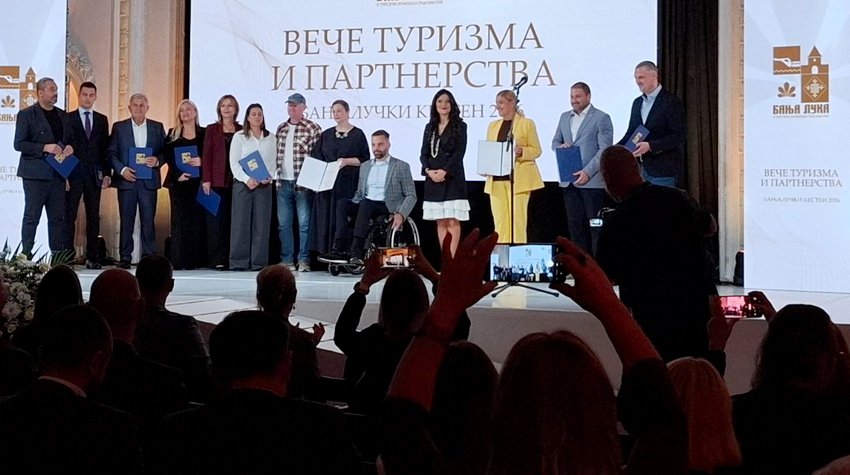
SEE SRPSKA RECEIVES CHARTER FROM BANJA LUKA TOURIST ORGANIZATION
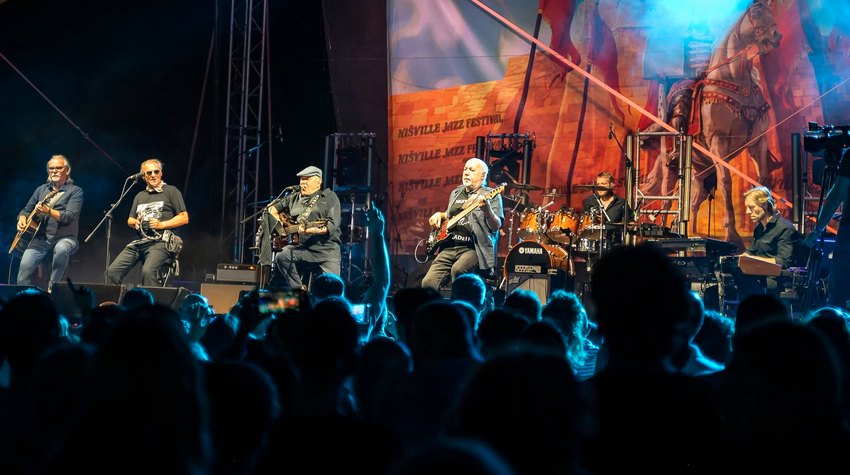
GALIJA TO CELEBRATE MAJOR ANNIVERSARY IN BANJA LUKA
NEW RAIL LINK BETWEEN REPUBLIKA SRPSKA AND SERBIA: DAILY TRAIN SERVICE FROM ZVORNIK TO BELGRADE
SEE SRPSKA RECEIVES CHARTER FROM BANJA LUKA TOURIST ORGANIZATION
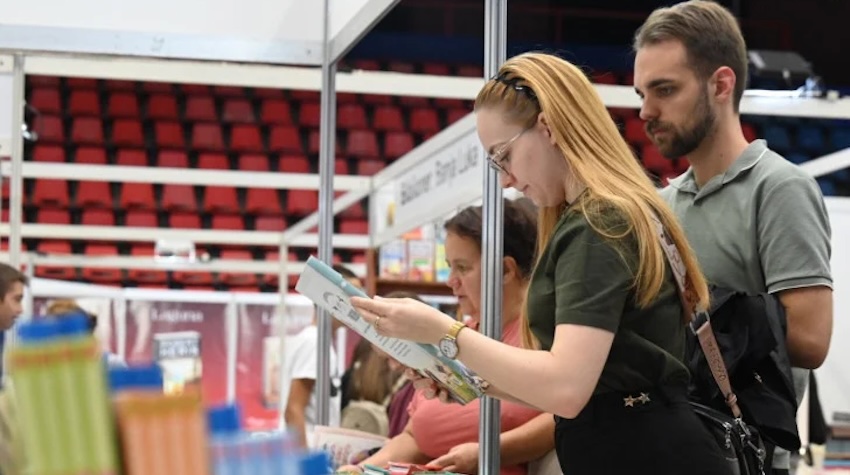
BANJA LUKA BOOK FAIR 2026 OPENS TODAY
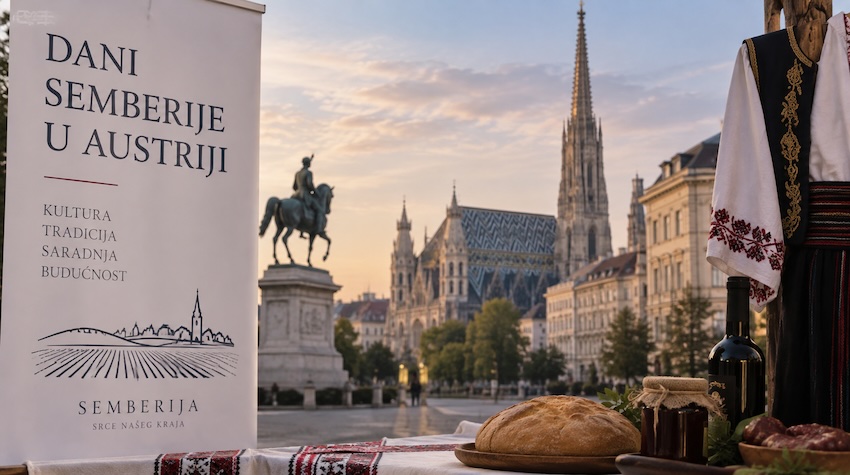
DAYS OF SEMBERIJA IN AUSTRIA: CULTURE, TRADITION AND LOCAL PRODUCTS PRESENTED TO AUSTRIAN AUDIENCES

FROM EUROPEAN STAGES TO HER HOMETOWN: JOVANA RALJIĆ BRINGS VIVALDI TO BANJALUKA

 The situation at the border crossings