NEW TRAVEL RULES FOR THE EUROPEAN UNION FROM MARCH 2025
The National Association of Travel Agencies of Serbia (NATAS) has announced that the Entry/Exit System (EES) for controlling entry into European Union countries will first be introduced in the Netherlands, starting at airports and later at seaports.

According to information from the European Tourism Association (ETOA), the Netherlands will be the first country to fully implement this system, followed by Luxembourg, which plans to introduce biometric border controls by the end of the year.
By March 2025, it is expected that 25 EU member states will adopt the EES system, while Romania and Bulgaria are not planning to implement this technology for now.
HOW THE EES SYSTEM WORKS
The EES system involves biometric checks for travelers entering the EU. These checks include scanning travel documents, as well as facial recognition and fingerprint scans of four fingers. Instead of passport stamps, travelers will be identified through scanners. However, concerns have been raised that older travelers may face difficulties with the new system, potentially causing delays at border crossings.
ETIAS TO FOLLOW IN MAY 2025
In addition to the EES, NATAS states that the European Travel Information and Authorization System (ETIAS) will be introduced in May 2025. This system will allow travelers to pre-register their entry to the EU through a simple online application, requiring basic passport and travel information. Once the form is completed, travelers will be redirected to a platform to pay a €7 fee. The authorization obtained via ETIAS will be valid for three years.
DELAYS DUE TO THE PANDEMIC
The European Commission initially planned to introduce the entry control system in 2020, but its implementation was postponed due to the COVID-19 pandemic.

Join our
Viber Community
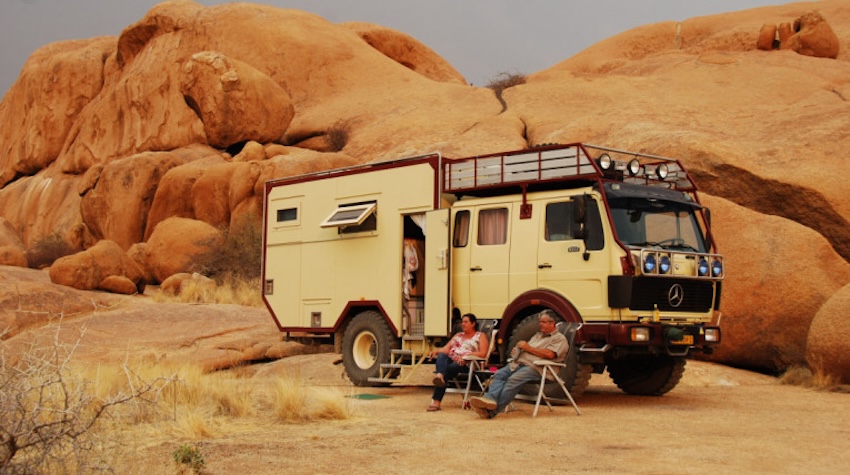
TRAVELING BY CAMPERVAN FOR THE FIRST TIME? HERE’S WHAT YOU SHOULD KNOW BEFORE YOU GO

NEW RAIL LINK BETWEEN REPUBLIKA SRPSKA AND SERBIA: DAILY TRAIN SERVICE FROM ZVORNIK TO BELGRADE
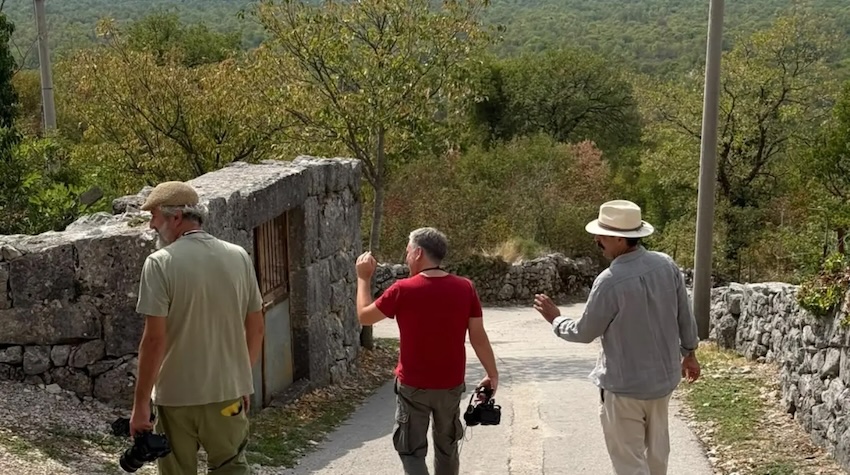
‘DRŽAVNI POSAO’ CREW FILMS NEW PROJECT IN TREBINJE

SEE SRPSKA RECEIVES CHARTER FROM BANJA LUKA TOURIST ORGANIZATION

GALIJA TO CELEBRATE MAJOR ANNIVERSARY IN BANJA LUKA
NEW RAIL LINK BETWEEN REPUBLIKA SRPSKA AND SERBIA: DAILY TRAIN SERVICE FROM ZVORNIK TO BELGRADE
SEE SRPSKA RECEIVES CHARTER FROM BANJA LUKA TOURIST ORGANIZATION

BANJA LUKA BOOK FAIR 2026 OPENS TODAY

DAYS OF SEMBERIJA IN AUSTRIA: CULTURE, TRADITION AND LOCAL PRODUCTS PRESENTED TO AUSTRIAN AUDIENCES

FROM EUROPEAN STAGES TO HER HOMETOWN: JOVANA RALJIĆ BRINGS VIVALDI TO BANJALUKA


 The situation at the border crossings