SRPSKA EXPECTS RECORD-BREAKING TOURISM YEAR
This year is set to be a record-breaking one for tourism in the Republic of Srpska, according to Marko Radić from the Tourist Organization of Srpska.

"That is what brings us the most joy. Tourism is on an upward trajectory. At the end of each year, we can proudly look back on the growth of this sector," Radić told RTRS.
He emphasized that the tourism offer of Srpska is becoming increasingly attractive, even on a global level.
"The majority of tourists still come from the region—Slovenia, Croatia, Serbia, and Montenegro—but we are also seeing a growing number of visitors from North Macedonia," Radić noted.
One of the key future directions, according to Radić, lies in enhancing the experience of rural households.
"We are developing segments that will soon become even more exclusive. Foreign visitors, after the crowds and work stress in their own countries, can find relaxation here in a very different environment," he explained.
Radić also pointed out that Srpska is rich in so-called micro destinations.
"During the COVID pandemic, we discovered many of these hidden gems—places like Šipovo, Ribnik, and Nevesinje. They have incredibly appealing offers, but due to the lack of a clear tourism development strategy, they haven't yet reached their full potential," he said.
Gastronomy plays an essential role in the region’s tourism offer and reflects its cultural identity.
"We have seven products with protected geographical origin. The latest additions are Gatački kajmak and Banjalučki ćevap. The first product on that list was Nevesinjski krompir. We have a well-balanced culinary scene, and there's little risk of disappointing tourists with our food selection," Radić stated.
When comparing tourism tax revenues to last year, Radić said that Srpska is maintaining the same level.
"Banja Luka has significantly increased its revenue from tourist taxes. Foča has also seen a rise, largely thanks to rafting tourism. While these are positive signs, the funds themselves are not yet substantial," he concluded.

Join our
Viber Community
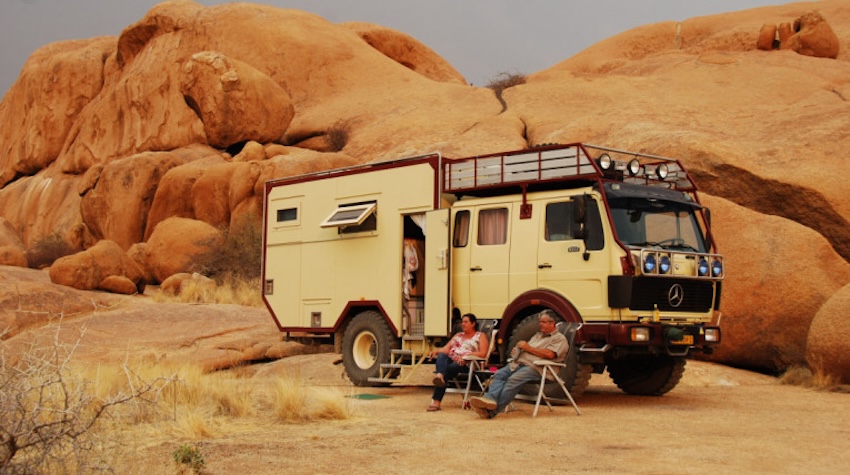
TRAVELING BY CAMPERVAN FOR THE FIRST TIME? HERE’S WHAT YOU SHOULD KNOW BEFORE YOU GO
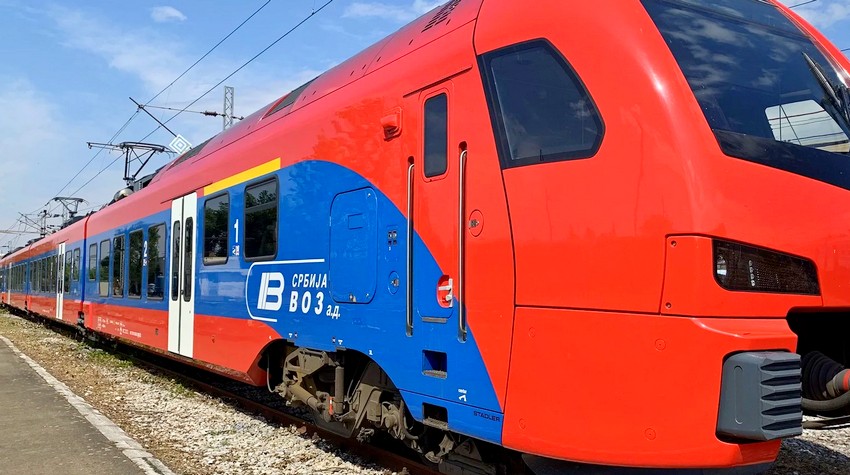
NEW RAIL LINK BETWEEN REPUBLIKA SRPSKA AND SERBIA: DAILY TRAIN SERVICE FROM ZVORNIK TO BELGRADE
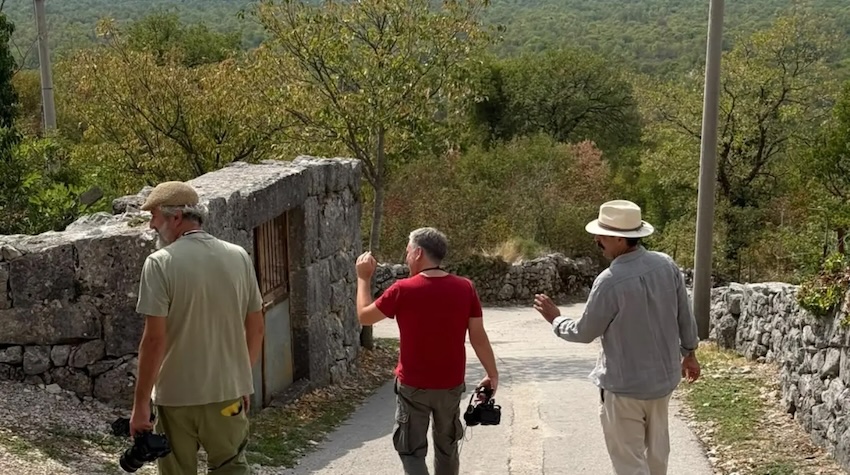
‘DRŽAVNI POSAO’ CREW FILMS NEW PROJECT IN TREBINJE
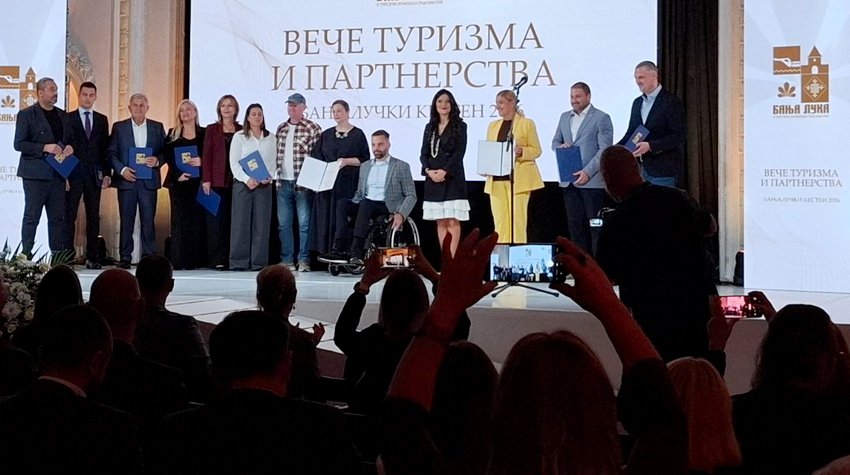
SEE SRPSKA RECEIVES CHARTER FROM BANJA LUKA TOURIST ORGANIZATION
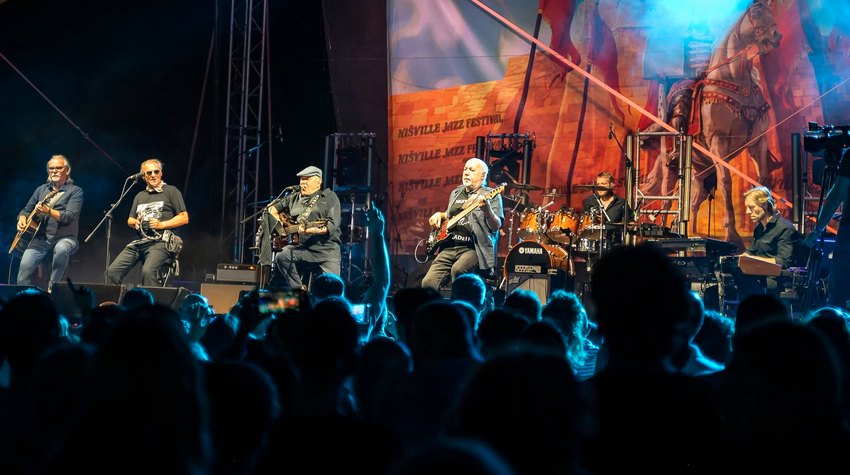
GALIJA TO CELEBRATE MAJOR ANNIVERSARY IN BANJA LUKA
NEW RAIL LINK BETWEEN REPUBLIKA SRPSKA AND SERBIA: DAILY TRAIN SERVICE FROM ZVORNIK TO BELGRADE
SEE SRPSKA RECEIVES CHARTER FROM BANJA LUKA TOURIST ORGANIZATION
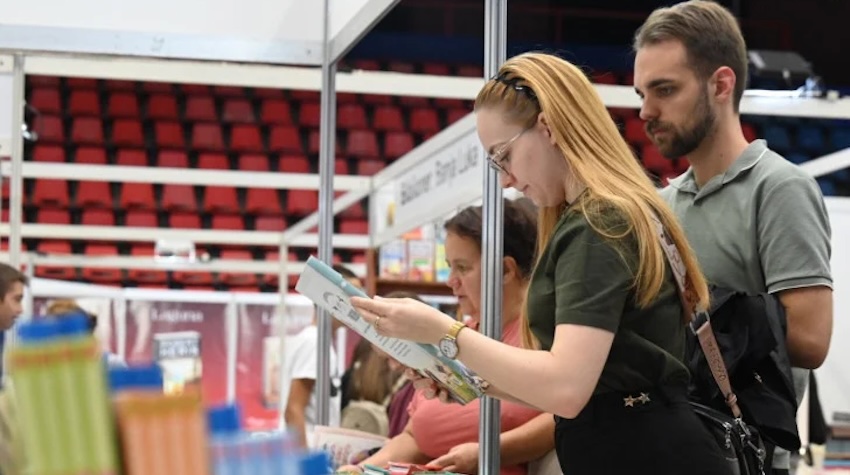
BANJA LUKA BOOK FAIR 2026 OPENS TODAY
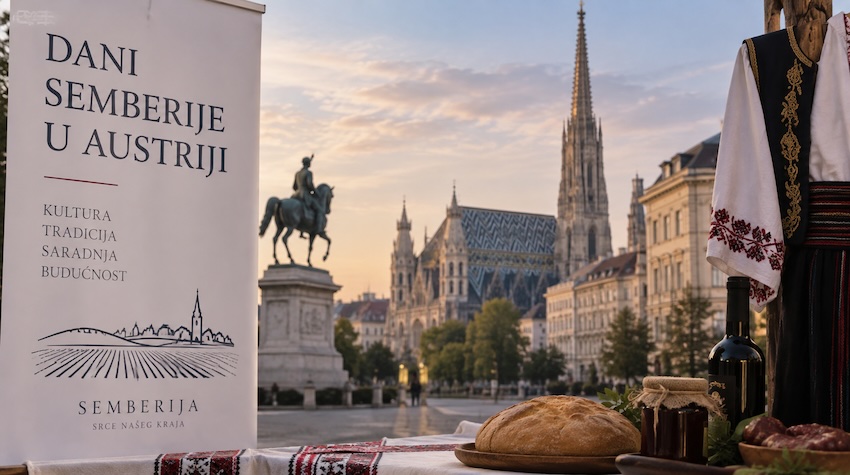
DAYS OF SEMBERIJA IN AUSTRIA: CULTURE, TRADITION AND LOCAL PRODUCTS PRESENTED TO AUSTRIAN AUDIENCES
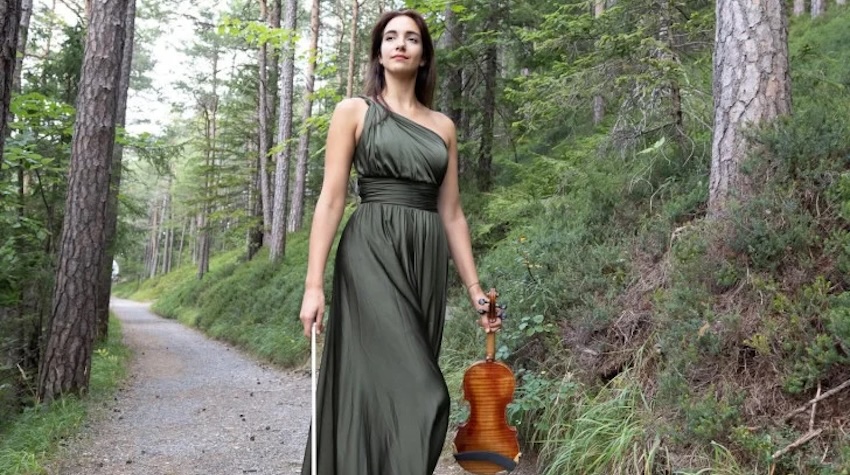
FROM EUROPEAN STAGES TO HER HOMETOWN: JOVANA RALJIĆ BRINGS VIVALDI TO BANJALUKA

 The situation at the border crossings