MICHELIN GUIDE FOR YOUNGER GENERATIONS: A GASTRONOMIC REVOLUTION
The Michelin Guide has long been synonymous with fine dining, exclusive restaurants, and top-tier culinary experiences. However, with the rise of Generation Z—who hold different priorities and values—the concept of restaurant evaluation is undergoing a major transformation. Today’s young diners seek authenticity, accessibility, environmental consciousness, and digital connectivity.

To stay relevant, the Michelin Guide must adapt to these new demands by introducing a fresh rating system that reflects modern gastronomic trends. For Generation Z, a great restaurant is not necessarily one with crystal glasses and waiters in "steamed suits" but rather a place that offers an authentic experience.
A SHIFT TOWARD AUTHENTICITY AND LOCAL FLAVORS
Younger generations are increasingly curious about unique flavors, local specialties, and food prepared with passion. Instead of focusing solely on Michelin-starred establishments, the guide could feature small, family-run eateries that offer traditional recipes—such as a tiny shop in Istanbul renowned for its baklava or a ramen bar in Tokyo where the chef exclusively sources ingredients from the local market.
STREET FOOD: THE NEW FINE DINING
One of the biggest shifts in the culinary world is the rise of street food. Michelin has already recognized this trend, awarding stars to street food vendors in cities like Singapore and Bangkok. However, the new Michelin Guide could go even further by dedicating an entire section to the best street food experiences around the world.
DIGITAL CONNECTIVITY AND SOCIAL MEDIA: A MUST-HAVE
For Generation Z, a restaurant is not just a place to eat—it’s also a setting for social media content. The visual appeal of the food and ambiance plays a crucial role in choosing a dining spot. To reflect this, the Michelin Guide could introduce new categories such as “Most Instagrammable Ambiance,” “Most Photogenic Dishes,” or “TikTok Viral Restaurants.” While this may seem unrealistic to older generations, it is highly appealing—and even essential—to younger audiences.
ENVIRONMENTAL AWARENESS AND ETHICAL DINING
Generation Z is highly conscious of environmental issues and increasingly seeks restaurants that offer sustainable options. Michelin could introduce labels for “zero-waste” restaurants or establishments that use only locally sourced ingredients. Additionally, the guide could highlight venues offering diverse vegan and vegetarian options.
AFFORDABILITY AND VALUE FOR MONEY: A TOP PRIORITY
Unlike previous generations willing to spend large sums on luxurious dining experiences, Generation Z prioritizes the best value for money. The Michelin Guide could introduce a category dedicated to rating restaurants that offer top-quality meals at reasonable prices.
A GUIDE FOR EXPERIENCES, NOT JUST RESTAURANTS
The Michelin Guide for Generation Z would be more than just a restaurant directory—it would be a guide to experiences, stories, and authentic gastronomic adventures. By introducing these new categories, Michelin could remain relevant to the new generation of food lovers. This guide would not simply be a list of top restaurants but a true global food map for young explorers seeking new flavors.

Join our
Viber Community

TRAVELING BY CAMPERVAN FOR THE FIRST TIME? HERE’S WHAT YOU SHOULD KNOW BEFORE YOU GO

NEW RAIL LINK BETWEEN REPUBLIKA SRPSKA AND SERBIA: DAILY TRAIN SERVICE FROM ZVORNIK TO BELGRADE

‘DRŽAVNI POSAO’ CREW FILMS NEW PROJECT IN TREBINJE

SEE SRPSKA RECEIVES CHARTER FROM BANJA LUKA TOURIST ORGANIZATION

GALIJA TO CELEBRATE MAJOR ANNIVERSARY IN BANJA LUKA
NEW RAIL LINK BETWEEN REPUBLIKA SRPSKA AND SERBIA: DAILY TRAIN SERVICE FROM ZVORNIK TO BELGRADE
SEE SRPSKA RECEIVES CHARTER FROM BANJA LUKA TOURIST ORGANIZATION

BANJA LUKA BOOK FAIR 2026 OPENS TODAY
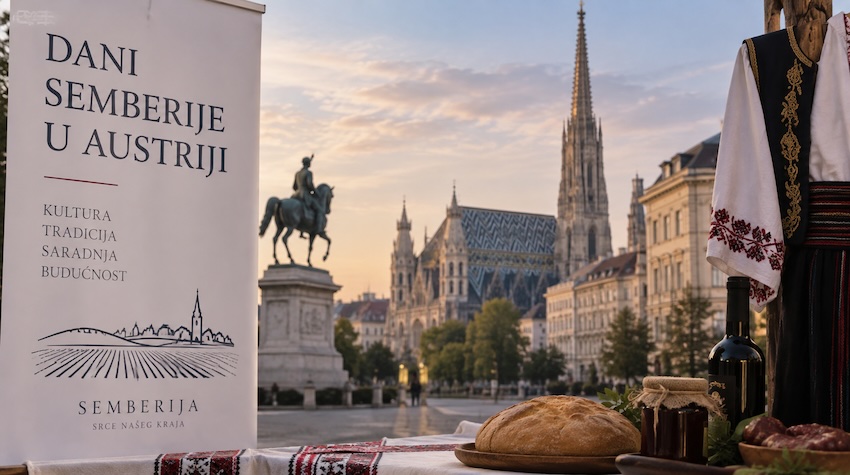
DAYS OF SEMBERIJA IN AUSTRIA: CULTURE, TRADITION AND LOCAL PRODUCTS PRESENTED TO AUSTRIAN AUDIENCES

FROM EUROPEAN STAGES TO HER HOMETOWN: JOVANA RALJIĆ BRINGS VIVALDI TO BANJALUKA


 The situation at the border crossings