YOUNG ENTREPRENEUR SEES HIS FUTURE IN STROJICE, NEAR ŠIPOVO
Rural tourism remains a somewhat misunderstood concept in Bosnia and Herzegovina, despite the country's abundant natural beauty and enormous potential. Yet not everyone shares this view.

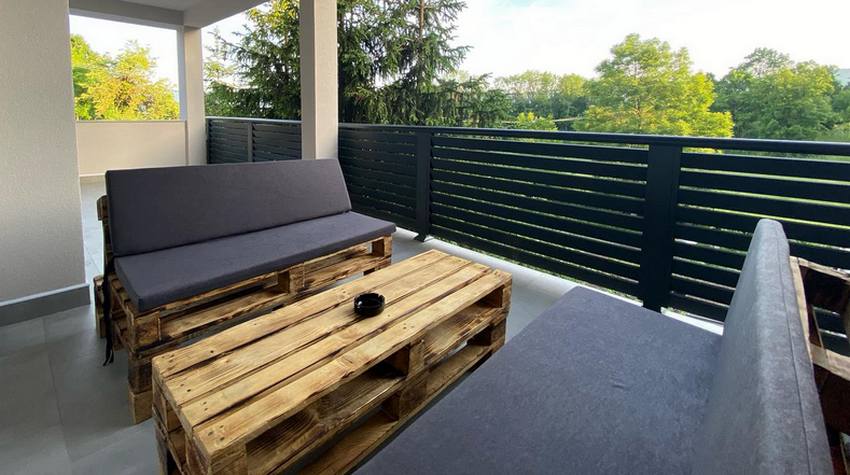
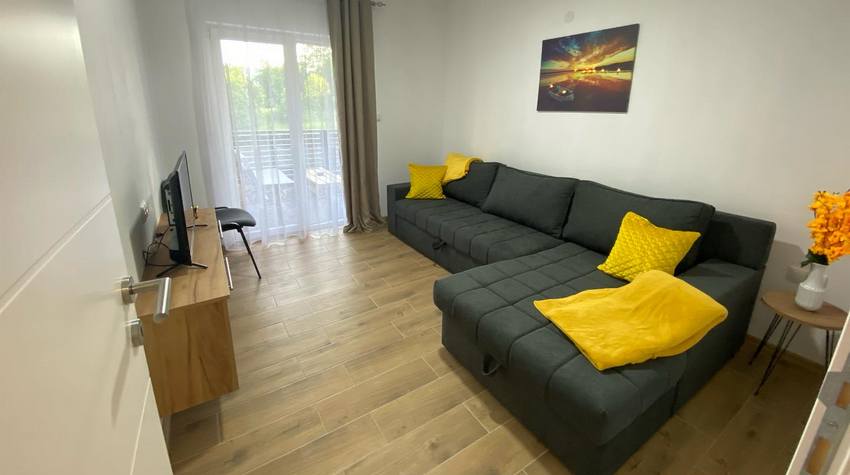
Unlike many of his peers, 20-year-old economics student Bojan Miličić from Strojice near Šipovo has turned his dream into reality—building a life and business in the countryside. At the age of 18, he had a clear vision: to buy land in the village, open a restaurant, and create a retreat where travelers could experience authentic local cuisine and hospitality.
“I first shared the idea with my grandfather, and he immediately supported me. Then my father joined in. Unfortunately, my grandfather passed away before he could see what we accomplished,” Bojan recalls. The original restaurant idea quickly evolved into something greater as they realized that guests also needed accommodation.
STAYING TRUE TO HIS ROOTS
Bojan says he was never drawn to big cities or grand ambitions, despite having traveled to Banja Luka, Belgrade, Berlin, and Vienna. “There’s something special about small places—the smiling faces of neighbors, the sound of Janj’s rivers, birdsong with morning coffee, and a glass of homemade juice. That’s what won me over,” he explains.
Local traditions and products like Janj cream cheese and braided cheese became the foundation of his business concept. “We’re just 35 km from the ski resort on Kupres. Šipovo is known for its nine rivers and top-quality trout. Local farmers grow grains that are perfect for traditional dishes and homemade bread. These were all aces up our sleeve—so why not play them?”
GIVING OTHERS A CHANCE
Bojan understood from the start that rural development must be inclusive. He hired his first employee early on, and today the team includes three young workers under 40, in addition to his family. They also buy local produce from neighboring villagers to serve in their restaurant, creating a mini-ecosystem that encourages others to stay and thrive.
A PLACE TO REST AND RECONNECT
The motel and restaurant now sit in a prime location between the Janj Islands—a natural gem—and the scenic Vaganska Cave. The site, known as “Strojice,” has become a peaceful haven where tradition is not just told but served on a plate.
The menu features traditional dishes like Janj pie, fritters with cream, braided cheese, cicvara, fresh trout, juicy ćevapi, pizzas, and the unique “Janj breakfast” and uljevusha, all accompanied by a glass of sour milk that evokes childhood memories.
In addition to its culinary offerings, Strojice offers accommodation in four modern apartments and three rooms, with a total capacity of 29 beds. The site also includes a multi-purpose hall for up to 200 guests, making it ideal for family stays, group trips, conferences, workshops, and celebrations.
NATURE LOVERS' PARADISE
Nature enthusiasts will be thrilled by the area’s many attractions: Glogovac Monastery, the Janj River spring, Mount Vitorog, the untouched Janj rainforest, and a vast network of hiking trails. The destination appeals to families, adventurers, hikers, hunters, and all lovers of active outdoor vacations.
“There were tough moments, and sometimes it's hard to find people willing to work in a small village. But our desire always outweighed the challenges—and we made it. Today, this is a well-established family business,” Bojan says.
TAPPING INTO RURAL POTENTIAL
Bojan hopes his journey will inspire others—those who left the countryside and those who never did—to pursue similar paths. He stresses the importance of environmental care, especially proper waste disposal, which is often a concern among tourists. He also highlights the need for marked trails, guides, and new rural professions.
“We need more training and maybe even an advisory service for rural tourism. There are incentives and some support measures already in place, both locally and nationally,” Bojan notes. “There’s a saying—‘there’s a rabbit in every bush’—we just need to look around and realize our potential.”
PROMOTING LOCAL PRODUCTS IS AN ECOLOGICAL ACT
In conclusion, Bojan emphasizes that supporting local means caring for the environment. “Locally produced goods don’t require long transport or excessive refrigeration. Buying local means being responsible with natural resources,” he says.
“We in the villages are not far behind the cities. It’s just that the narrative of urbanization and cramming people into 50-square-meter apartments has taken over. But we’re fighting back,” Bojan concludes with a smile.

Join our
Viber Community
TRAVELING BY CAMPERVAN FOR THE FIRST TIME? HERE’S WHAT YOU SHOULD KNOW BEFORE YOU GO

NEW RAIL LINK BETWEEN REPUBLIKA SRPSKA AND SERBIA: DAILY TRAIN SERVICE FROM ZVORNIK TO BELGRADE
‘DRŽAVNI POSAO’ CREW FILMS NEW PROJECT IN TREBINJE
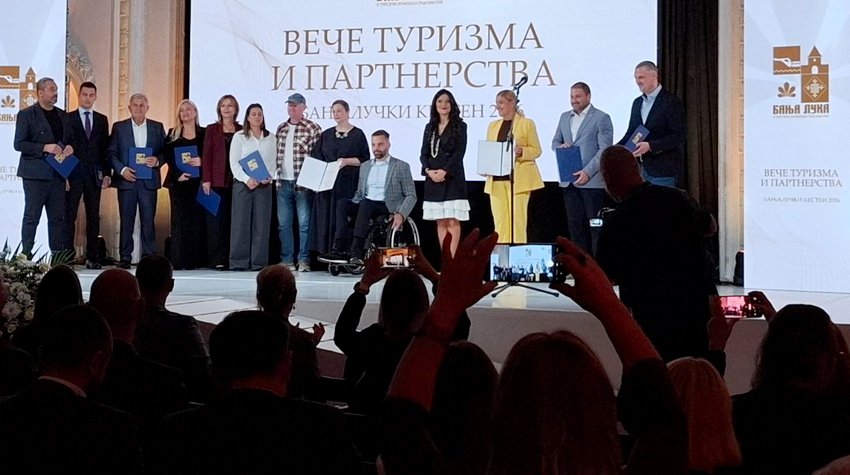
SEE SRPSKA RECEIVES CHARTER FROM BANJA LUKA TOURIST ORGANIZATION

GALIJA TO CELEBRATE MAJOR ANNIVERSARY IN BANJA LUKA
NEW RAIL LINK BETWEEN REPUBLIKA SRPSKA AND SERBIA: DAILY TRAIN SERVICE FROM ZVORNIK TO BELGRADE
SEE SRPSKA RECEIVES CHARTER FROM BANJA LUKA TOURIST ORGANIZATION
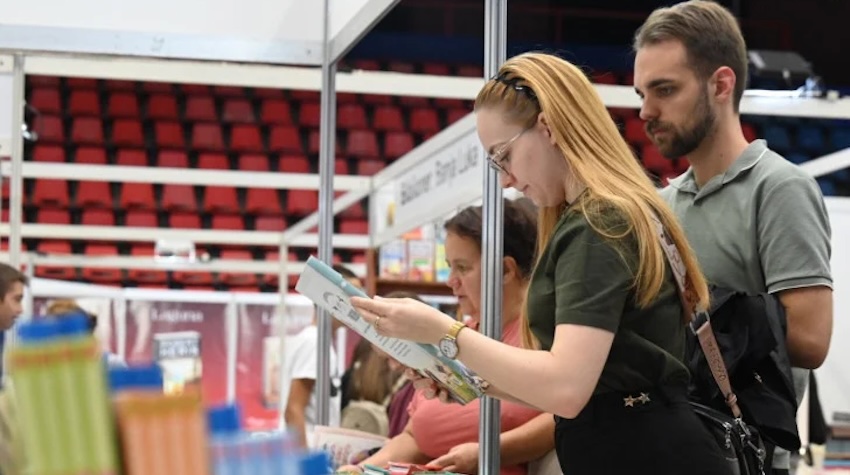
BANJA LUKA BOOK FAIR 2026 OPENS TODAY
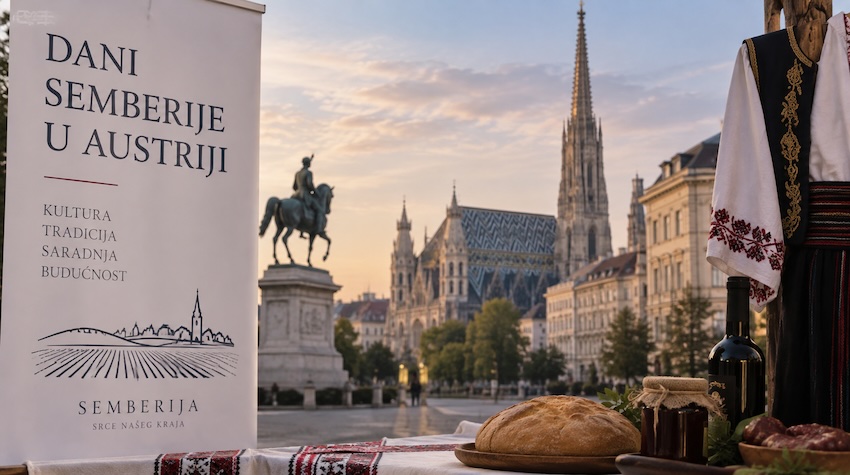
DAYS OF SEMBERIJA IN AUSTRIA: CULTURE, TRADITION AND LOCAL PRODUCTS PRESENTED TO AUSTRIAN AUDIENCES
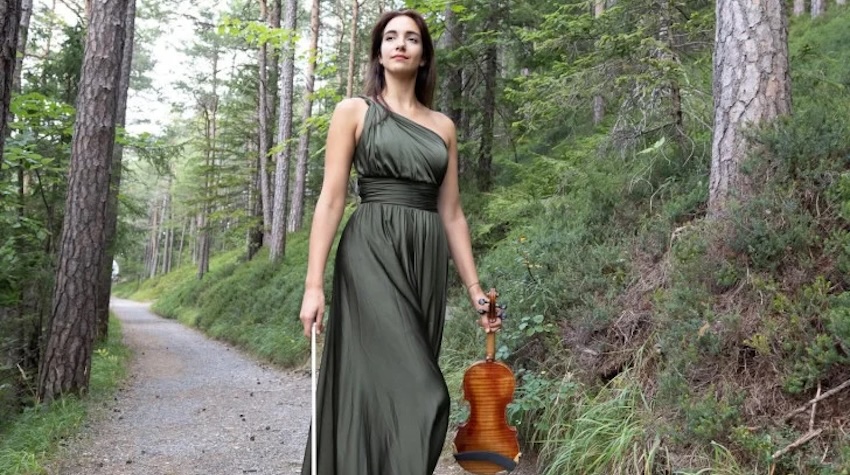
FROM EUROPEAN STAGES TO HER HOMETOWN: JOVANA RALJIĆ BRINGS VIVALDI TO BANJALUKA


 The situation at the border crossings