HOW SCAMMERS DECEIVE CITIZENS OF SRPSKA ONLINE
New forms of internet scams are emerging almost every day, and more advanced artificial intelligence could further develop exploitation models that primarily target business email users and online gambling enthusiasts. This is confirmed by police data, which shows that the annual damage from such forms of cybercrime is measured in millions of euros.

A case in Zvornik, where a woman reported to the local police earlier this month that she had fallen victim to scammers promising financial gain through various investment schemes, serves as yet another warning to citizens to be more cautious. Over the past few months, the woman transferred more than 65,000 euros in nine installments to certain accounts, lured by fraudulent promises of easy returns.
The Ministry of the Interior of the Republic of Srpska (MUP) is urging increased vigilance, highlighting the most common forms of online exploitation, such as scams related to rigged sports matches, intercepted business email correspondence, romance scams, investment fraud, and online shopping scams.
According to MUP, the victims of scams related to rigged sports matches, investments, and card fraud during online shopping are often younger individuals who are not adequately informed about potential frauds or fail to exercise proper caution. Romance scams, on the other hand, mostly affect women over the age of 55, who are misled by fraudulent claims of shared business ventures, real estate investments, or romantic relationships.
Business email interception scams mostly target small and medium-sized enterprises that engage in international trade. The MUP states that employees in these companies often lack sufficient awareness, failing to be cautious when receiving and sending business emails. Additionally, many businesses do not use licensed operating systems or antivirus programs, which further increases their vulnerability to cyber threats.
MUP emphasizes that particular attention is being given to scams involving rigged sports matches and intercepted business emails, as the damage from these crimes amounts to millions of euros annually.
Slobodan Dragičević, Secretary of the Information and Communication Technology Association in the Chamber of Commerce of RS, told "Glas Srpske" that new forms of online fraud and exploitation are appearing almost every day, and this trend is expected to continue in the future. He stressed that scammers will always find new methods, regardless of the knowledge or skills of their victims, with online gambling enthusiasts being frequent targets. These individuals often receive enticing messages and end up clicking on links that lead to their downfall.
Dragičević also highlighted the growing risk of artificial intelligence being used for malicious purposes in these scams. He mentioned that, despite awareness efforts, there are still people, regardless of age, who fall victim to scams such as fake payment requests and fail to notice discrepancies in invoices. He even pointed out that some lawyers have been tricked into losing money in similar schemes.
The MUP explains that scammers typically gather information about their victims through a method known as "social engineering," which involves collecting data from open online sources. They then send convincing messages containing phishing links or attachments, tricking victims into revealing sensitive information, such as payment card details.

Join our
Viber Community

TRAVELING BY CAMPERVAN FOR THE FIRST TIME? HERE’S WHAT YOU SHOULD KNOW BEFORE YOU GO

NEW RAIL LINK BETWEEN REPUBLIKA SRPSKA AND SERBIA: DAILY TRAIN SERVICE FROM ZVORNIK TO BELGRADE
‘DRŽAVNI POSAO’ CREW FILMS NEW PROJECT IN TREBINJE
SEE SRPSKA RECEIVES CHARTER FROM BANJA LUKA TOURIST ORGANIZATION
GALIJA TO CELEBRATE MAJOR ANNIVERSARY IN BANJA LUKA
NEW RAIL LINK BETWEEN REPUBLIKA SRPSKA AND SERBIA: DAILY TRAIN SERVICE FROM ZVORNIK TO BELGRADE
SEE SRPSKA RECEIVES CHARTER FROM BANJA LUKA TOURIST ORGANIZATION
BANJA LUKA BOOK FAIR 2026 OPENS TODAY
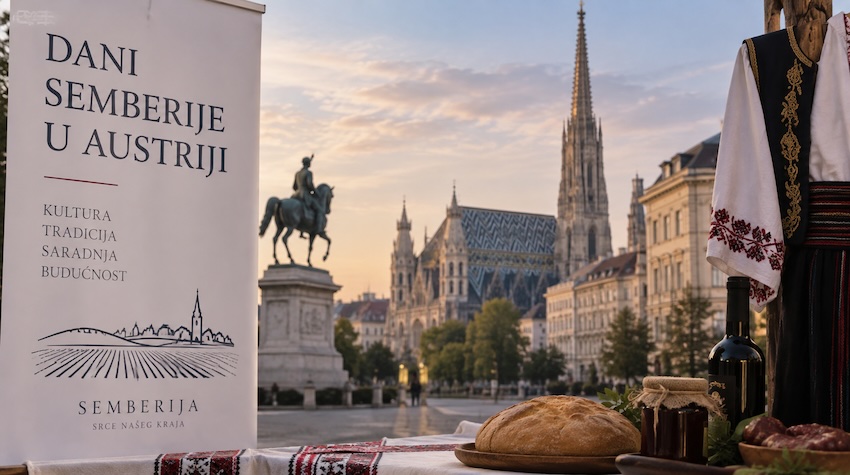
DAYS OF SEMBERIJA IN AUSTRIA: CULTURE, TRADITION AND LOCAL PRODUCTS PRESENTED TO AUSTRIAN AUDIENCES
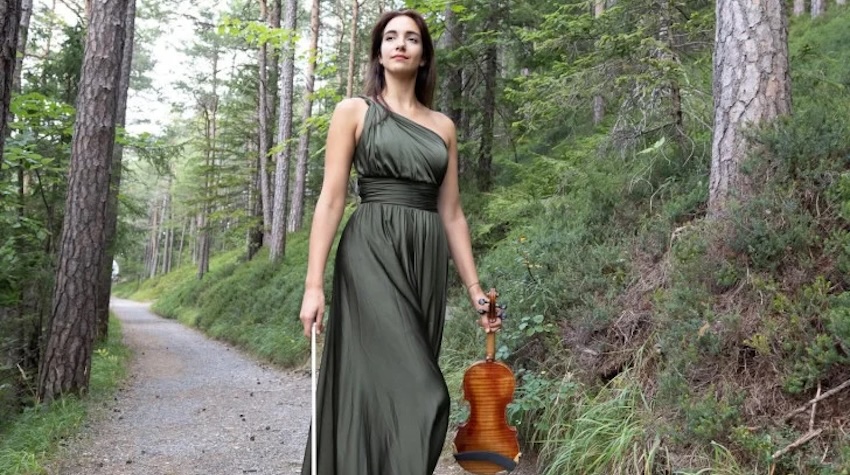
FROM EUROPEAN STAGES TO HER HOMETOWN: JOVANA RALJIĆ BRINGS VIVALDI TO BANJALUKA

 The situation at the border crossings