ETHNO-TOURISM OFFER HOLDS GREAT POTENTIAL IN REPUBLIC OF SRPSKA
The Republic of Srpska has significant potential in the field of ethno-tourism, with the highest number of rural households engaged in tourism located in the municipality of Šipovo, according to the Tourist Organization of Srpska.

Sanela
Šimun, Public Relations Associate at the Tourist Organization, stated that
rural tourism offerings can be found in almost all regions of Srpska—from
Herzegovinian stone-built households and Semberian wooden cottages, to
Podrinje-style homes and Krajina log cabins.
“All
of them are authentic and reflect the environment, customs, and traditions of
the regions they belong to. Within the tourism offer of Srpska, we have several
ethno-villages created with the aim of bringing modern visitors closer to
traditional rural life and enabling them to enjoy nature,” Šimun explained.
Tourists from various countries are increasingly seeking to spend their leisure time in peaceful rural settings, enjoying natural landscapes, rich cultural and historical heritage, and traditional cuisine prepared according to homemade recipes.
She
added that such villages almost always include hospitality facilities offering
traditional gastronomy. Some of the most notable examples include the Stanišići
Ethno Village near Bijeljina, Usora Ethno Village near Teslić, the “Grad Sunca”
Ethno Village in Trebinje, the Ziličina rural household near Rogatica, the
“Ljubačke doline” Ethno Village near Banja Luka, as well as the Jagodić
household.
Šimun
also emphasized the importance of religious tourism, noting that the Republic
of Srpska is home to numerous medieval monasteries, which further enrich its
tourism potential.

Join our
Viber Community
TRAVELING BY CAMPERVAN FOR THE FIRST TIME? HERE’S WHAT YOU SHOULD KNOW BEFORE YOU GO
NEW RAIL LINK BETWEEN REPUBLIKA SRPSKA AND SERBIA: DAILY TRAIN SERVICE FROM ZVORNIK TO BELGRADE
‘DRŽAVNI POSAO’ CREW FILMS NEW PROJECT IN TREBINJE
SEE SRPSKA RECEIVES CHARTER FROM BANJA LUKA TOURIST ORGANIZATION
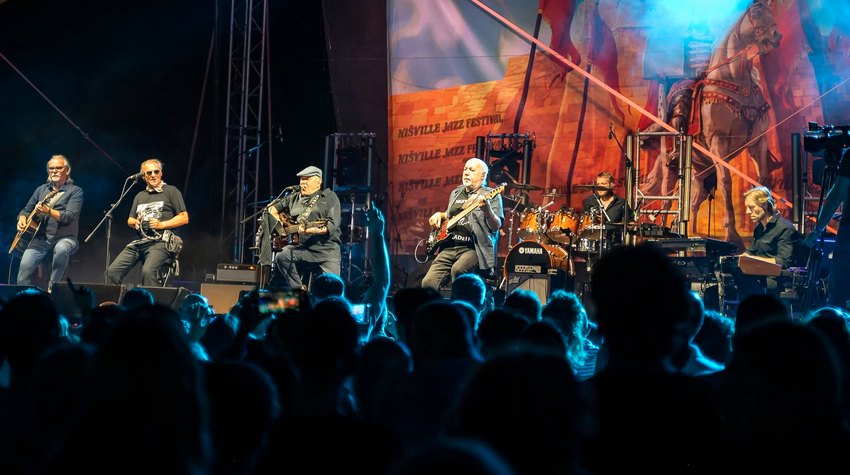
GALIJA TO CELEBRATE MAJOR ANNIVERSARY IN BANJA LUKA
SEE SRPSKA RECEIVES CHARTER FROM BANJA LUKA TOURIST ORGANIZATION
NEW RAIL LINK BETWEEN REPUBLIKA SRPSKA AND SERBIA: DAILY TRAIN SERVICE FROM ZVORNIK TO BELGRADE
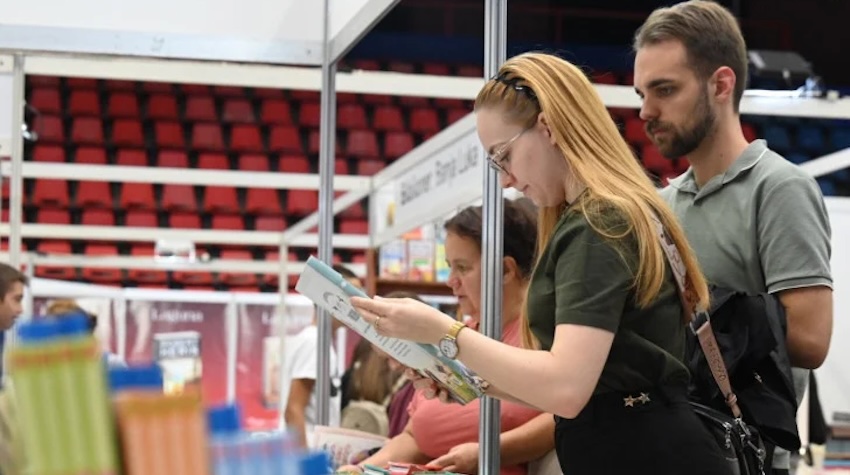
BANJA LUKA BOOK FAIR 2026 OPENS TODAY
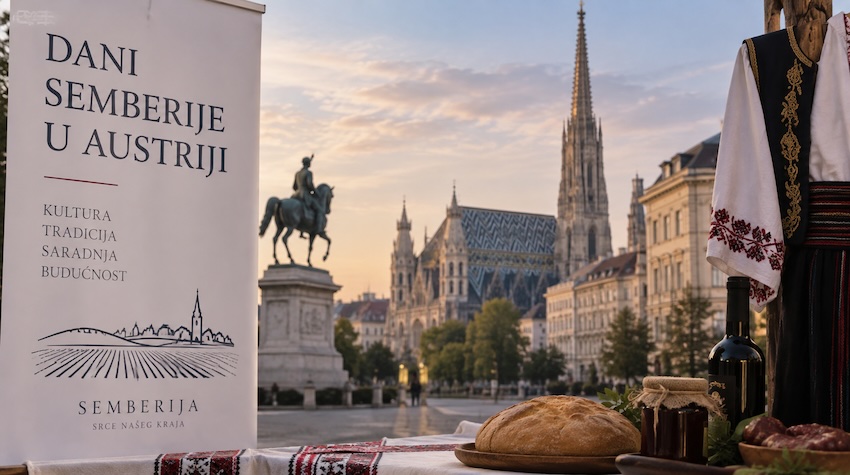
DAYS OF SEMBERIJA IN AUSTRIA: CULTURE, TRADITION AND LOCAL PRODUCTS PRESENTED TO AUSTRIAN AUDIENCES
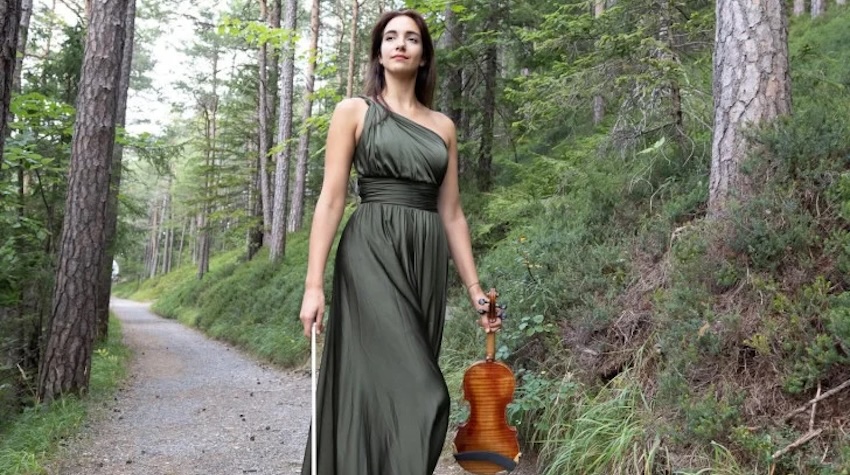
FROM EUROPEAN STAGES TO HER HOMETOWN: JOVANA RALJIĆ BRINGS VIVALDI TO BANJALUKA

 The situation at the border crossings