THE FIRST DONKEY FARM IN THE SARAJEVO REGION: FROM AN UNUSUAL IDEA TO A SUCCESSFUL FAMILY STORY
On the road leading to the famous Miljacka Spring near Pale, visitors can discover the Rudić Donkey Farm, a place that is increasingly attracting tourists, families with children, and animal lovers.
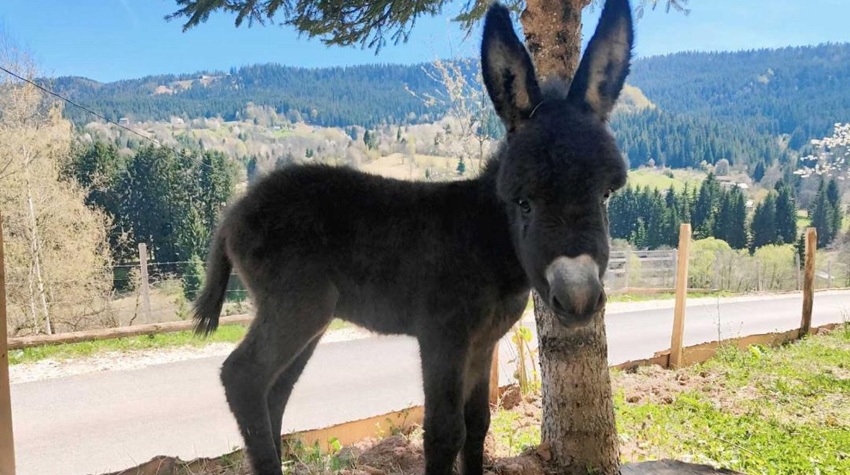
What started as an unusual idea inspired by a childhood fascination with donkeys has grown into a serious farming business with around 30 animals and an important addition to rural tourism in the Sarajevo-Romanija region.
From One Donkey to a Farm of 30 Animals
The farm was officially established in 2023, when the number of donkeys exceeded five. However, the story actually began a year earlier.
"The first donkey arrived at our farm in the autumn of 2022. We symbolically named him Mago, and that was when the idea – strange to many people – of seriously breeding donkeys first emerged," the owners explain.
Today, the farm is home to around 30 donkeys. The oldest is about eight years old, while the youngest member of the herd is Sunčica, a five-day-old foal.
A Childhood Love for Donkeys
When asked why they chose donkeys, the answer is simple: a lifelong affection that began in childhood.
"It may sound unusual, but I have been fascinated by donkeys since I was very young. I often had the chance to play with them while spending summers on the Montenegrin and Croatian coast. Out of that childhood love came the desire to build a donkey farm – the first of its kind in the Sarajevo region," says the Rudić family.
Home to Many Other Animals
Although donkeys are undoubtedly the stars of the farm, visitors can also meet dogs, a cat, chickens, sheep, pigs, and a cow. This variety makes the experience especially enjoyable for children and families looking to reconnect with rural life.
Donkey Milk – One of the Most Valued Natural Products
In recent years, donkey milk has become increasingly sought after due to its nutritional properties.
"It is considered one of the healthiest food supplements. It contains substances with antimicrobial properties and is believed to help in the fight against coughs, bronchitis, pneumonia, asthma, colitis, and many other illnesses. Its composition is very similar to human breast milk, which means that even very young children can consume it. It is also known for strengthening the immune system," the family explains.
How Much Milk Does a Donkey Produce?
Donkey milk production is very specific and significantly lower compared to other farm animals.
Female donkeys produce milk only while their foals are nursing, and the amount depends on the age of the foal. On average, one donkey produces between 0.3 and 0.4 litres of milk per day.
Because of the limited quantities available, the farm often sells all of its milk production to customers.
"When that is not the case, the milk is consumed by family members and relatives," they add.
They Also Tried Making Donkey Cheese
The family has experimented with developing new products, including donkey cheese.
"We managed to produce donkey cheese for our own use. Since donkey milk contains much less fat than cow's milk, the process is far more demanding. The project was successful, but we believe there is currently no market for such a product," they say.
Tourists Regularly Visit the Farm
The farm's proximity to the Miljacka Spring has proven to be a major advantage. Many visitors who come to explore this natural attraction also stop by to meet the farm's residents.
"Almost every week, tourists visit the farm. Recently, we have also welcomed groups of elementary school students from several cities across Bosnia and Herzegovina who came as part of school trips in nature," the owners explain.
Children particularly enjoy feeding the donkeys, interacting with the animals, and experiencing life in the countryside.
Peace of Mind as the Greatest Reward
Although farming requires hard work, physical strength, and constant supervision, the Rudić family believes that this way of life offers priceless benefits.
"The greatest benefits are peace of mind and enjoying what you do. There are no pressures or tensions like those found in many other professions. I like to say that this kind of work is active relaxation, although it certainly requires a lot of physical effort and the farm can never be left unattended," they conclude.
Today, the Rudić Donkey Farm is much more than a place where animals are raised. It is proof that childhood dreams, dedication, and a life in harmony with nature can create a unique story that enriches the tourism offer of Pale and the Sarajevo-Romanija region.

Join our
Viber Community
FIRST VIŠEGRAD RAKIJADA: HOMEMADE RAKIJA AND THE SPIRIT OF TRADITION IN THE HEART OF ANDRIĆGRAD
DAYS OF EAST SARAJEVO: FIVE DAYS OF CULTURE, MUSIC AND TRADITION

HISTORIC SUCCESS FOR JEZERO: VUKOVI WIN TWO MEDALS AT THE BALKAN OPEN CHAMPIONSHIP

MAJOR CHANGE AT AIRPORTS: PLASTIC-WRAPPING SUITCASES COULD BECOME A THING OF THE PAST
IN HONOR OF TWO POETS: BORO KAPETANOVIĆ POSTHUMOUSLY RECEIVES THE “DUŠKO TRIFUNOVIĆ” AWARD
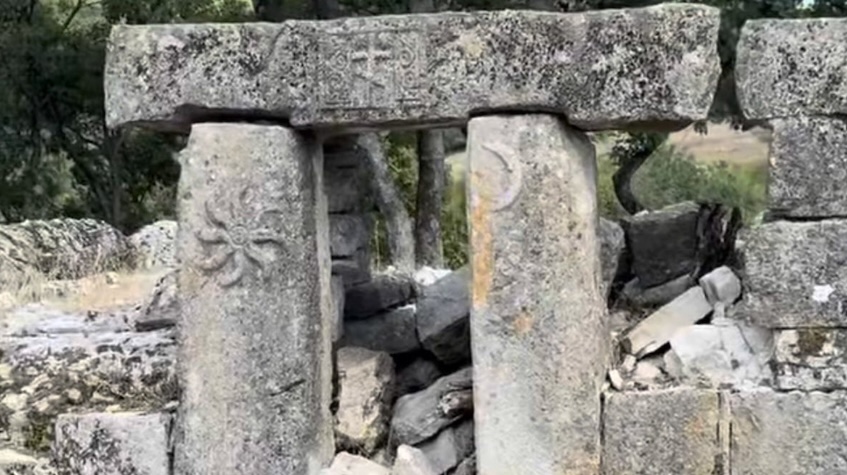
PREDOJEVIĆ CHURCH NEAR BILEĆA: A LEGEND OF A MOTHER, A SON, AND A RETURN TO ONE’S HOMELAND
MAJOR CHANGE AT AIRPORTS: PLASTIC-WRAPPING SUITCASES COULD BECOME A THING OF THE PAST
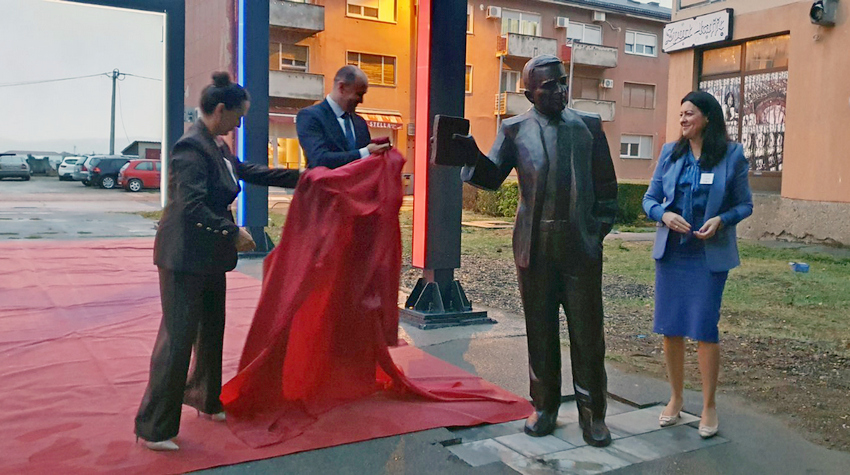
SUMMER STAGE AND SCULPTURE DEDICATED TO DUŠKO TRIFUNOVIĆ UNVEILED IN BROD
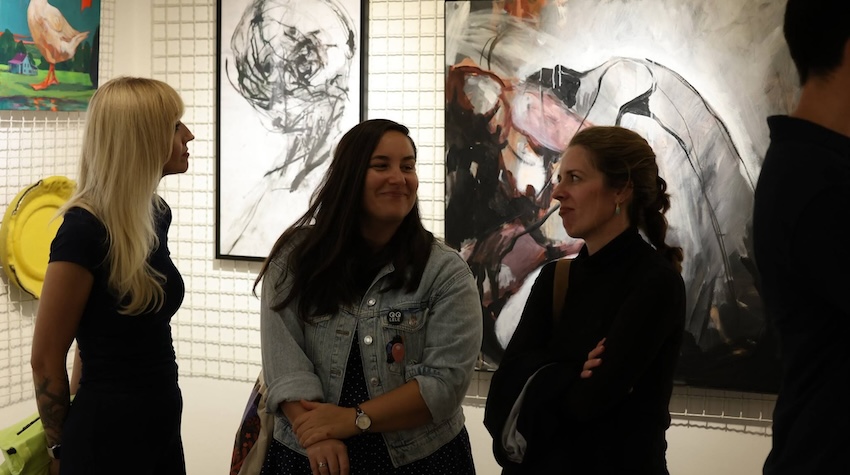
GALERIJA PLUS CELEBRATES TEN YEARS WITH A NEW EXHIBITION FEATURING 75 ARTISTS
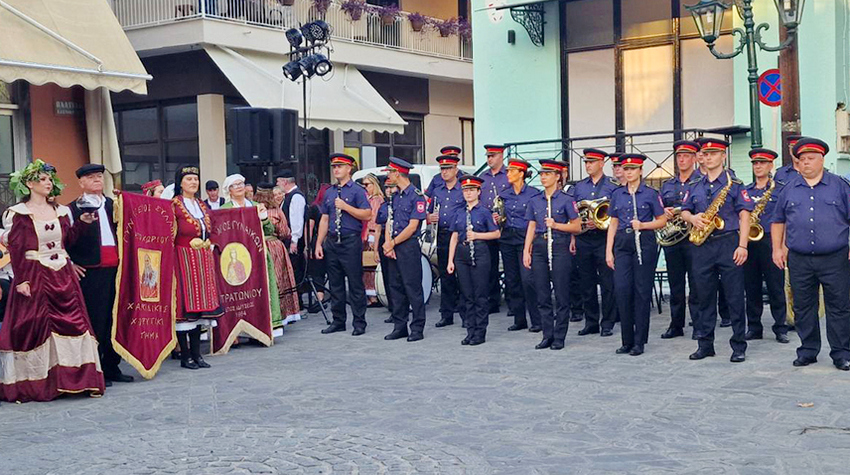
POLICE ORCHESTRA OF REPUBLIKA SRPSKA PERFORMS AT “MEGALI PANAGIA AMPELONAS” FESTIVAL IN GREECE


 The situation at the border crossings