DELICACIES FROM KUPRES REACH THE UNITED STATES
As morning smoke slowly rises from chimneys and temperatures often remain below zero, the air on the Kupres Plateau carries the scent of pine needles, purity, cold, and above all, a sense of freedom that fills both body and spirit. The true wealth of this highland area lies not only in its ski slopes, but also in its abundance of medicinal herbs.
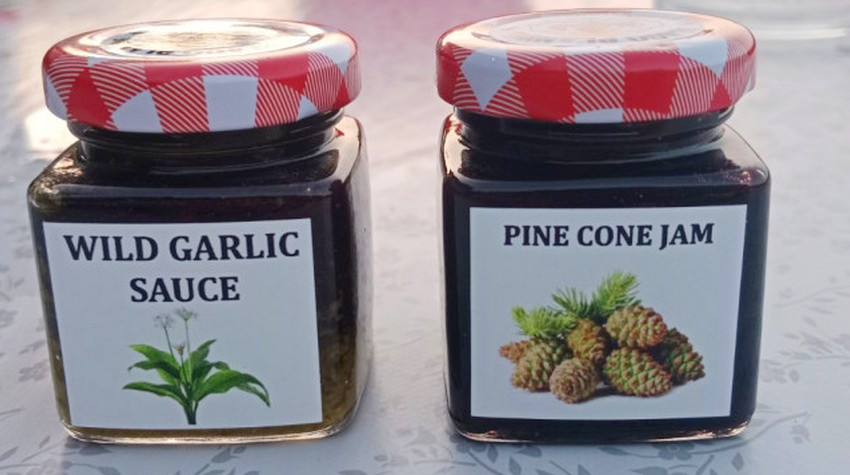
In the
village of Zanaglina near Kupres, this natural treasure has been carefully
studied and combined for more than 15 years by Dragan Spremo, who patiently
creates unique natural products inspired by the mountain itself.
A
thick blanket of snow covers pastures, forests, and roads, turning this
mountain landscape into a winter postcard. While the sounds of children, beginners,
and recreational skiers intertwine on the slopes, the aroma of homemade food,
mulled wine, and tradition drifts from mountain houses, as if straight out of
an animated film. During winter, Kupres lives fully—slowly, yet richly—becoming
one of the most vibrant mountain destinations in the region.
Beyond
skiing and sledding, more and more visitors come to Kupres in search of peace,
clean air, and what the mountain has always generously offered: untouched
nature.
A Mountain as a Laboratory
At an
altitude of around 1,250 meters, with a harsh climate and long winters, Kupres
has always represented a unique meeting point between humans and nature.
Beneath its lively tourist image lies a mountain that lives year-round. Its
forests, rich in fir, spruce, white pine, larch, and numerous medicinal plants,
form a natural shield from urban pollution and play an important role both in
nature and traditional medicine.
From
this deep respect for nature emerge quiet yet lasting stories. One of them
leads to Zanaglina, where Dragan Spremo has spent the last decade and a half
learning, researching, and blending the gifts of nature in the modest
surroundings of his home. Drawing inspiration from experiences and knowledge
from Siberia and Russia, he developed recipes for various herbal preparations,
including his now well-known pine cone jam.
“I was
always reading, searching, and experimenting. There were many unsuccessful
attempts before I found the right formula,” Spremo told local media.
Jam Made from Young Pine Cones
An
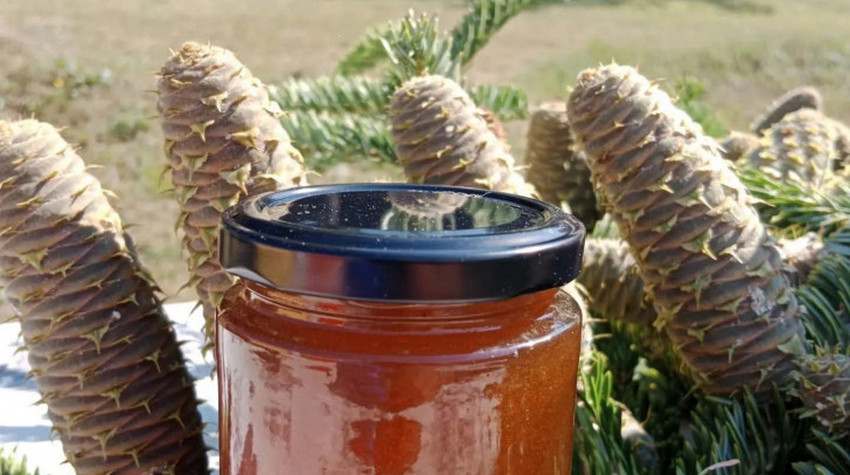
ecologist at heart since childhood, Spremo explains that his pine cone jam is
made exclusively from young cones, two to three centimeters in size, harvested
before they harden.
“The
process can last up to seven days. It involves multiple stages of cooking with
resting periods in between, resulting in a sweet syrup with whole cones
inside,” he explains.
In
addition to jams made from fir, spruce, white pine, and larch cones, his offer
includes balms, tinctures, and syrups derived from various medicinal plants and
forest mushrooms. Everything is produced in small batches, as mass production
has never been his goal.
“Kupres
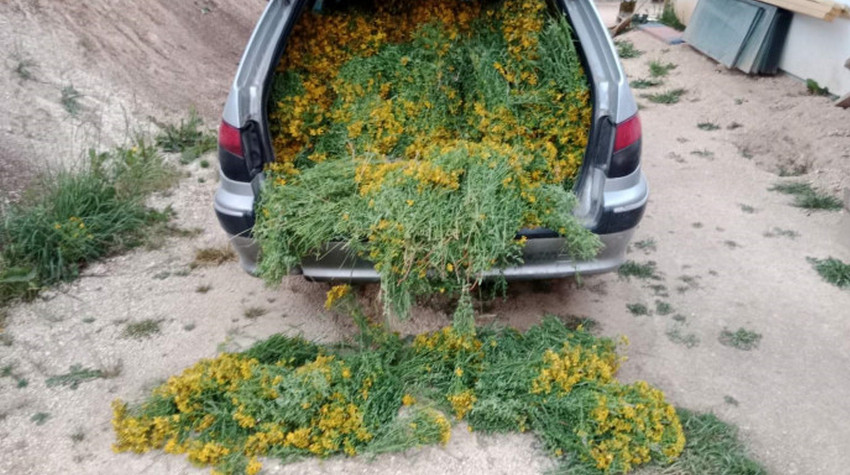
is ideal for collecting nature’s gifts because it is clean. I gather herbs,
cones, and mushrooms in the mountains and turn them into healing products,”
says Spremo.
Customers
Without Advertising
Most
customers discover his products through word of mouth—often tourists who visit
Kupres in winter and return home with an unusual mountain souvenir. Despite working
far from the public eye and without advertising, Spremo’s products have found
their way to buyers around the world.
“Customers
come from abroad as well—Canada, the United States, Germany, Serbia, and
Croatia. Winter tourists often take a jar of pine cone jam home with them. I
don’t have time for advertising, nor could I meet larger demand,” he adds.
He is
particularly pleased that people who first come to Kupres for skiing later
return for something entirely different.
“They
come to ski or sled, and after tasting the jam, they contact me again to buy
more. That’s how the story continues,” says Spremo, emphasizing that quality
and balance matter more to him than following trends.
Natural Preparations and ‘Kupres in a Jar’
Alongside
jams and candied pine cones, his selection includes dozens of natural
preparations made from medicinal herbs and forest mushrooms. These include
balms, tinctures, and syrups prepared as water- or alcohol-based macerates and
combined according to their intended use.
People
most often contact him for immune support, chronic inflammation, anemia, skin
problems, and recovery after frequent infections. Parents also seek natural
support for their children’s immunity. Spremo stresses that his products are
meant as support, not a replacement for medical therapy.
Prices
reflect the handcrafted process and limited quantities. A 250-gram jar of pine
cone jam costs around 15 convertible marks, while tinctures and herbal blends
range from 15 to 20 marks. More complex mushroom-based preparations can reach
up to 60 marks due to the demanding production process and rare raw materials.
A Rare Dessert: Candied Pine Cones
In
addition to his signature jam, Spremo also produces something even
rarer—candied pine cones.
“Candied
pine cones are more of a dessert. They have an unusual flavor, and people are
surprised when they try them. Some are even coated in dark chocolate, which
makes them even better,” he says with a smile
As
Kupres continues to attract winter sports enthusiasts, stories like this serve
as a reminder that the mountain’s true value is not measured only in kilometers
of ski runs, but also in knowledge, patience, and nature that has not yet lost
its strength.

Join our
Viber Community









 The situation at the border crossings