DOES THE REGION UNDERSTAND THE NEEDS OF TODAY’S TOURISTS?
In recent years, European tourists have increasingly chosen to invest in experiences rather than material things. Tourism is changing—today's travelers are seeking authentic experiences, connections with local cultures, and learning through interaction. This shift poses a challenge to destinations: not only must they attract visitors, but they must also offer deeper, more meaningful experiences. The question isn’t whether people will travel—they will. The real question is: will destinations understand why they travel?

Given modern consumer habits, tourists are no longer interested only in “must-see” landmarks. Instead, they seek authentic encounters—local customs, traditional food, culture, and community interaction. Across Europe—including Slovenia, Croatia, Serbia, and Montenegro—there’s growing demand for tourism that goes beyond the commercial and offers enriching experiences.
REAL-WORLD
EXAMPLES FROM THE REGION
Slovenia
has emerged as a leader in sustainable tourism through initiatives like Green
Slovenia, which promotes ecological and cultural experiences. Visitors can join
guided tours of nature reserves, enjoy local wines and cuisine, and explore
alpine regions like the Julian Alps, Kamnik-Savinja Alps, and Pohorje.
Activities include hiking, discovering hidden waterfalls and glacial lakes,
mountain climbing, and staying in rustic cabins offering local foods, herbal
teas, and traditional crafts.
Popular
workshops in these areas feature beekeeping, cheese-making, and the use of
medicinal herbs—all part of an authentic "low-impact" tourism model.
In winter, these regions attract skiers and fans of Nordic walking, as well as
those seeking “silent tourism”—a tech-free stay in harmony with nature.
Slovenian
Istria—home to towns like Portorož, Piran, Koper, and Izola—blends
Mediterranean charm with sustainability. Visitors enjoy cycling through olive
groves and vineyards, tasting local products on small farms, and attending
cultural festivals that celebrate tradition and gastronomy. Ljubljana, the
country's capital, has become a European Green Capital, attracting
eco-conscious travelers with its many sustainable tourism projects.
MONTENEGRO
AND THE RISE OF “SLOW ADVENTURE”
Montenegro
offers “slow adventure” tourism, including hikes through national parks, rugged
coastal bike trails, and immersive nature escapes. Regions like Durmitor,
Prokletije, Bjelasica, and Komovi attract travelers looking for active yet
mindful retreats—trekking to glacial lakes, horseback riding through mountain
valleys, camping on plateaus, or staying in traditional shepherd settlements to
learn about pastoral life. In winter, these areas offer authentic ski-touring
and snow adventures far from the crowds.
The
Bay of Kotor presents unique “eco-tours,” such as kayaking through quiet coves,
touring ancient olive groves, or visiting small eco-farms that showcase
traditional lifestyles and offer tastings of local cheeses, wines, and olive
oils.
CROATIA:
TRADITION, NATURE, AND FLAVOR
Croatia
promotes agrotourism in Istria and invites visitors to explore deeply rooted
traditions through vineyard routes or stays at rural farms. In Kvarner—which
includes Rijeka, Opatija, and the islands of Krk, Cres, and Lošinj—travelers
can enjoy the blend of sea, mountains, and gastronomy. Many choose to stay at
rural estates, participating in lavender, olive, and grape harvests, or joining
cooking workshops that teach local specialties like peka dishes and homemade
pasta.
Rijeka
offers cultural tourism through its industrial heritage and art collectives,
while Gorski Kotar draws nature lovers with hiking, caving, and Nordic walking
alongside local guides.
CULTURE
AND ADVENTURE IN THE ADRIATIC AND BEYOND
In
Split and Dubrovnik, tourists are not only looking for historic
sightseeing—they want interactive cultural experiences with local artisans. On
Hvar and Korčula, “sailing tours” provide a mix of luxury and local life,
showcasing the Adriatic coast on yachts or traditional boats.
Serbia
features numerous wine tours that combine love for nature and gastronomy, with
visits to family-run wineries and culinary events. Mountain destinations like
Zlatibor, Tara, Stara Planina, and Kopaonik are gaining popularity among
tourists seeking authentic experiences—from hiking and horseback riding to
participating in rural life. Guests can learn to prepare traditional meals,
gather medicinal herbs, or even make homemade brandy and cheeses.
Many
are drawn to “engaging travel”—stays in ethno-villages, eco-villages, or
cultural workshops reflecting local crafts and customs. Belgrade, meanwhile, is
gaining recognition for its adventure tours along the Sava and Danube rivers.
Visitors can join ecological river cleanup projects or try water-based
adrenaline sports.
THE
FUTURE OF TOURISM IN THE REGION
To
attract modern travelers, destinations must go beyond traditional attractions.
Understanding tourists' deeper desires and motivations is key. Whether through
nature or human connection, destinations that tailor their offerings to the
needs of contemporary tourists are the ones that will inspire return visits—and
long-term success.

Join our
Viber Community
TRAVELING BY CAMPERVAN FOR THE FIRST TIME? HERE’S WHAT YOU SHOULD KNOW BEFORE YOU GO
NEW RAIL LINK BETWEEN REPUBLIKA SRPSKA AND SERBIA: DAILY TRAIN SERVICE FROM ZVORNIK TO BELGRADE
‘DRŽAVNI POSAO’ CREW FILMS NEW PROJECT IN TREBINJE
SEE SRPSKA RECEIVES CHARTER FROM BANJA LUKA TOURIST ORGANIZATION
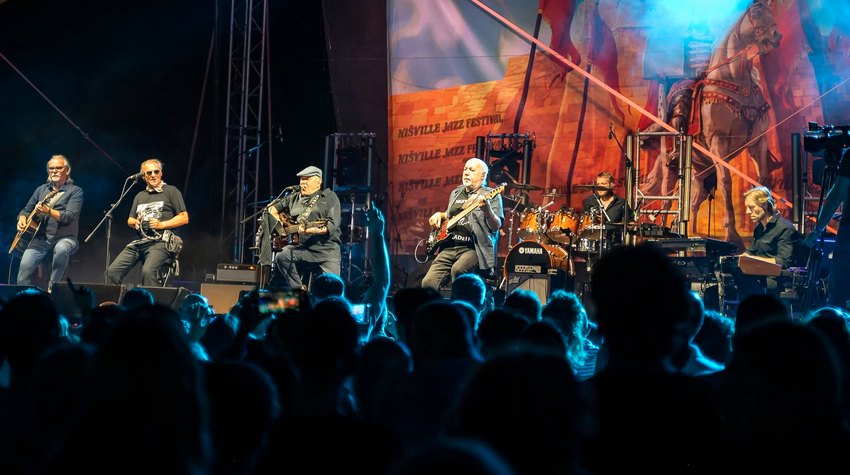
GALIJA TO CELEBRATE MAJOR ANNIVERSARY IN BANJA LUKA
SEE SRPSKA RECEIVES CHARTER FROM BANJA LUKA TOURIST ORGANIZATION
NEW RAIL LINK BETWEEN REPUBLIKA SRPSKA AND SERBIA: DAILY TRAIN SERVICE FROM ZVORNIK TO BELGRADE

BANJA LUKA BOOK FAIR 2026 OPENS TODAY
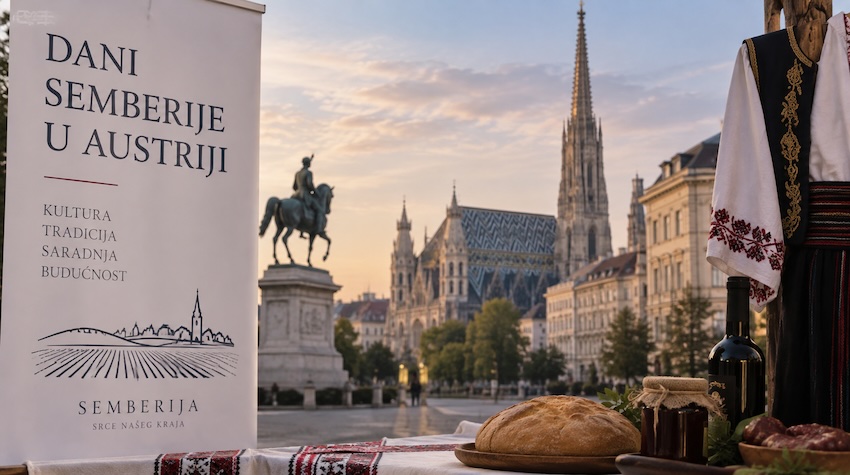
DAYS OF SEMBERIJA IN AUSTRIA: CULTURE, TRADITION AND LOCAL PRODUCTS PRESENTED TO AUSTRIAN AUDIENCES
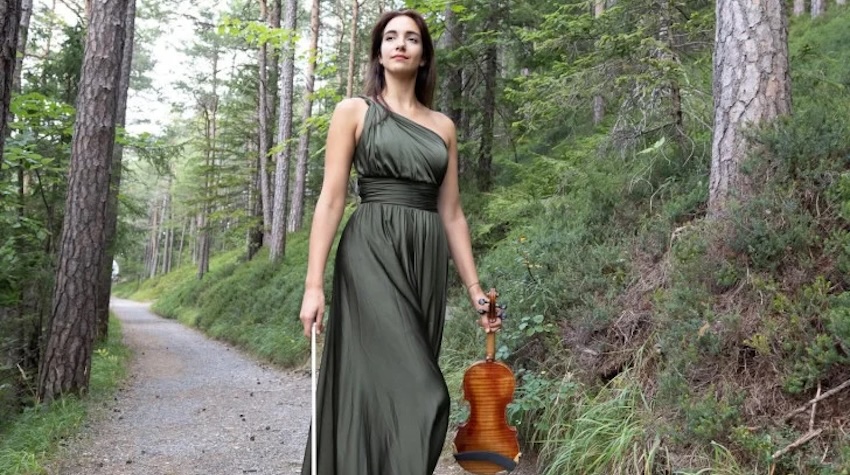
FROM EUROPEAN STAGES TO HER HOMETOWN: JOVANA RALJIĆ BRINGS VIVALDI TO BANJALUKA


 The situation at the border crossings