USTO POLJE NEAR GACKO – A LAND OF BEAUTY AND HISTORY
Dragica Ivanović, a writer from Gacko, sees the world through colors and words. To her, finding meaning in writing amid the chaos of the present is both a joy and a challenge. One of her stories, originally published on her blog, paints a vivid picture of a land that’s anything but empty — Pusto Polje.

“I don’t know who named it that way or why,” she writes, “but even if no one lived here — and they do — this place could never be called empty.”
Located in the heart of eastern Herzegovina, just outside of Gacko, Pusto Polje is a place where natural beauty and rich history intertwine. Surrounded by wide fields and rugged mountains, it radiates peace, harmony, and a deep connection to tradition. The local people take pride in their heritage, hospitality, and cultural identity, preserved through generations.
A PLACE WHERE HISTORY BREATHES
Despite its current tranquility, Pusto Polje has witnessed turbulent times. According to historical accounts, this area — including the wider region around Gacko — was the site of significant medieval battles between King Stefan Uroš and his son Stefan Dragutin, conflicts that shaped the region’s political future. Although no direct archaeological evidence confirms a battle in Pusto Polje itself, the area’s strategic importance throughout history is well documented.
The village is also closely connected with neighboring Danići, home to a monastery dedicated to Metropolitan Petar Zimonjić, as well as an ethno-museum and library, all part of the legacy of Prota Rade Zelenović. Together, these locations enrich the story of eastern Herzegovina, blending natural beauty with spiritual and historical depth.
Today, Pusto Polje and Danići are not just symbols of nature’s wonder, but living monuments to tradition, memory, and cultural resilience. Weddings, baptisms, Christmas customs, prayers — life continues here in the rhythm of ancient practices. The bells still ring in Danići, and the monks are still present.
RUŽINA CAVE – A STORY OLDER THAN MEMORY
One of the area’s most significant natural and historical treasures is Ružina Cave, a silent guardian of the past nestled in the heart of Pusto Polje.
Cold and dark, the cave holds memories older than history itself. Archaeological research reveals that humans lived here over 20,000 years ago, during the Paleolithic period. Evidence of hunter-gatherer life remains — stone tools, pigments, and animal bones — whispering stories of survival at the edge of existence.
The cave’s name comes from local legend, tied to a woman named Ruža, whose story is part of the region’s oral tradition. Whether fact or folklore, the name builds a bridge between the modern world and the ancient stone.
Ružina Cave now stands alongside Crvena Stijena and Badanj near Stolac as one of the oldest known human settlements in Herzegovina — a place where history began, written in rock and fire.
A CALL TO REMEMBER
"Herzegovina is the heart, the village is the soul," Ivanović writes. "If we forget that, the body becomes an abandoned shell — without roots, without golden embroidery, without a path leading home."
She urges families to visit the ethno-museum in Danići, to take their children to Ružina Cave, and to meet the kind hosts of the Mandić family, who will not let a guest leave without hospitality.
Preserve Herzegovina.
Remember where you come from.
And carry its stories forward.

Join our
Viber Community
TRAVELING BY CAMPERVAN FOR THE FIRST TIME? HERE’S WHAT YOU SHOULD KNOW BEFORE YOU GO

NEW RAIL LINK BETWEEN REPUBLIKA SRPSKA AND SERBIA: DAILY TRAIN SERVICE FROM ZVORNIK TO BELGRADE
‘DRŽAVNI POSAO’ CREW FILMS NEW PROJECT IN TREBINJE
SEE SRPSKA RECEIVES CHARTER FROM BANJA LUKA TOURIST ORGANIZATION
GALIJA TO CELEBRATE MAJOR ANNIVERSARY IN BANJA LUKA
SEE SRPSKA RECEIVES CHARTER FROM BANJA LUKA TOURIST ORGANIZATION
NEW RAIL LINK BETWEEN REPUBLIKA SRPSKA AND SERBIA: DAILY TRAIN SERVICE FROM ZVORNIK TO BELGRADE

BANJA LUKA BOOK FAIR 2026 OPENS TODAY
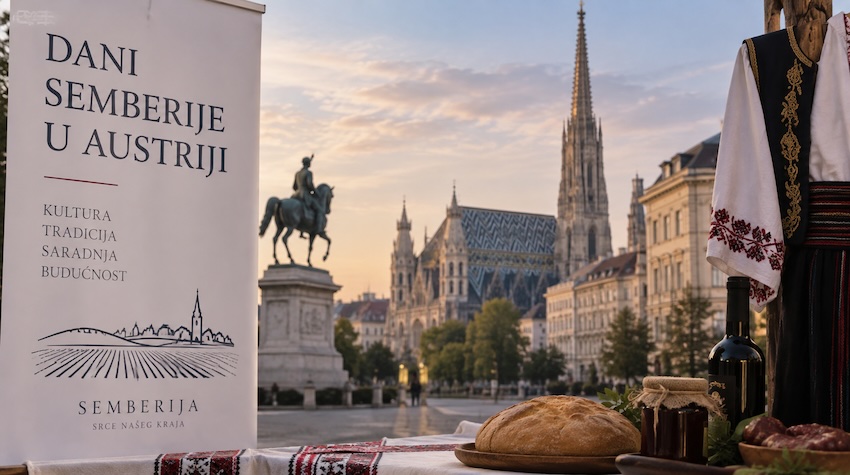
DAYS OF SEMBERIJA IN AUSTRIA: CULTURE, TRADITION AND LOCAL PRODUCTS PRESENTED TO AUSTRIAN AUDIENCES
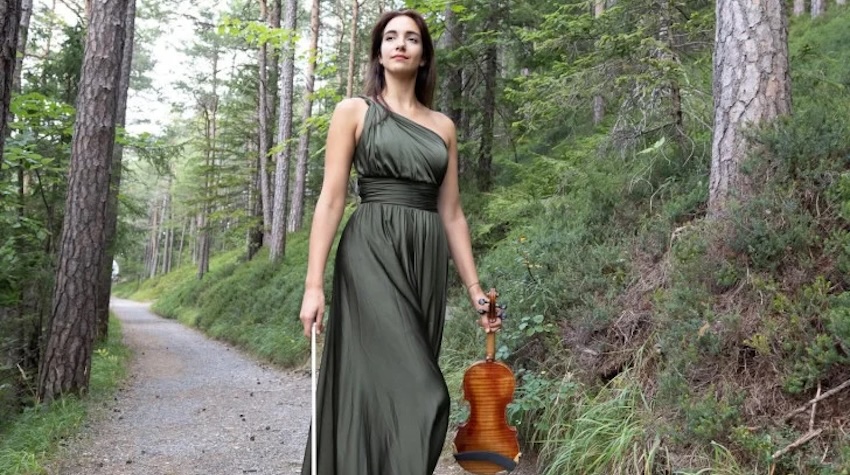
FROM EUROPEAN STAGES TO HER HOMETOWN: JOVANA RALJIĆ BRINGS VIVALDI TO BANJALUKA


 The situation at the border crossings