WHERE THE FIRST DINAR WAS COINED IN CYRILLIC
The first Serbian dinars appeared at the end of 1214, during the reign of Stefan the First-Crowned. However, King Radoslav (1227–1234) is considered the first Serbian ruler to mint his own coins.

This currency, known as the "Serbian dinar," symbolized the independence and sovereignty of medieval Serbia. Mints were located near silver mines, such as Brskovo, Rudnik, Novo Brdo, Srebrnica, and Trepča.
The tradition of coin minting continued during the reign of Stefan Dragutin (1276–1316). From 1276, he minted dinars at the Brskovo mint, near Mojkovac in Montenegro, following a monetary system based on the Venetian matapan.
His most significant coin was the "dinar with a flag," minted after 1282. On the obverse, it depicted Christ on the throne, and on the reverse, it showed the king, without a crown, receiving a flag from Saint Stefan, the patron saint of the Nemanjić dynasty.
With the arrival of the Saxons, Rudnik became one of the most important Serbian mining centers. A mint was established there, and in 1293, King Dragutin began to mint dinars. Rudnik coins, due to their higher weight and quality, were considered more valuable than those from Brskovo.
A coin of special significance is the "cross-shaped dinar," the first Serbian coin with an inscription in Cyrillic and a depiction of the king holding a scepter with a cross. The inscription reads "STEFAN RABb XU" (Stefan, the servant of Christ), while the reverse shows Christ on the throne.
King Stefan Dragutin's coins marked the first Serbian dinar with an image of the ruler without the title of king and represented the last coinage issue at the Rudnik mint during his reign.
Source: ArheoSrbija

Join our
Viber Community
TRAVELING BY CAMPERVAN FOR THE FIRST TIME? HERE’S WHAT YOU SHOULD KNOW BEFORE YOU GO
NEW RAIL LINK BETWEEN REPUBLIKA SRPSKA AND SERBIA: DAILY TRAIN SERVICE FROM ZVORNIK TO BELGRADE
‘DRŽAVNI POSAO’ CREW FILMS NEW PROJECT IN TREBINJE
SEE SRPSKA RECEIVES CHARTER FROM BANJA LUKA TOURIST ORGANIZATION
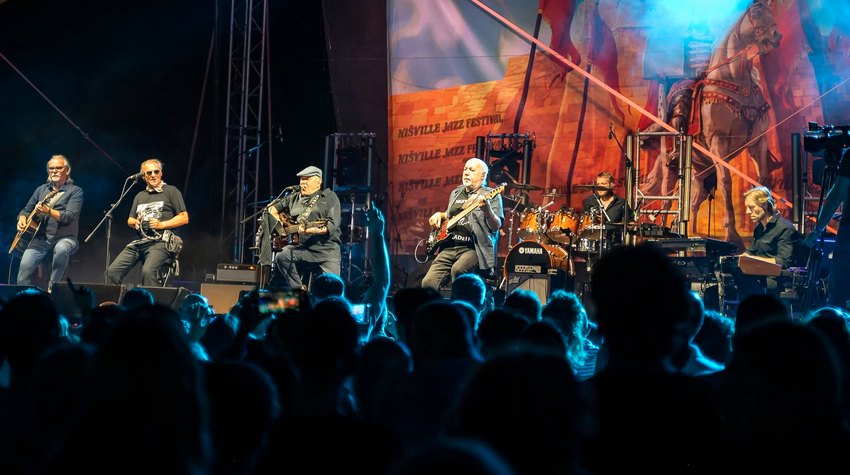
GALIJA TO CELEBRATE MAJOR ANNIVERSARY IN BANJA LUKA
SEE SRPSKA RECEIVES CHARTER FROM BANJA LUKA TOURIST ORGANIZATION
NEW RAIL LINK BETWEEN REPUBLIKA SRPSKA AND SERBIA: DAILY TRAIN SERVICE FROM ZVORNIK TO BELGRADE
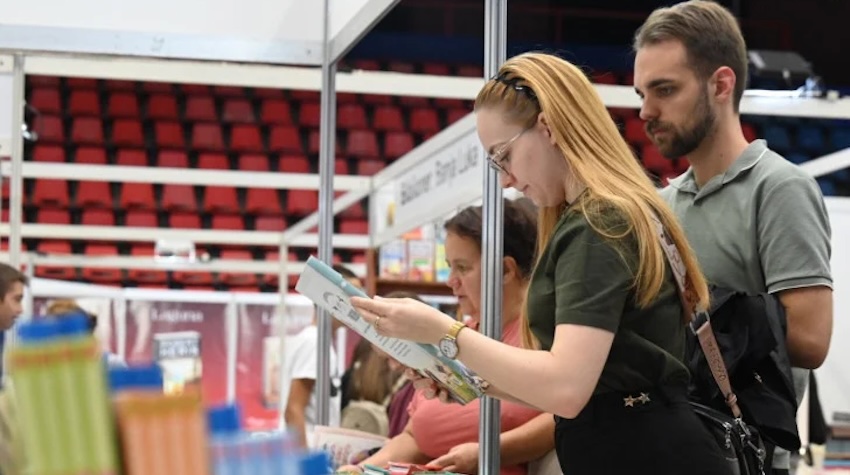
BANJA LUKA BOOK FAIR 2026 OPENS TODAY
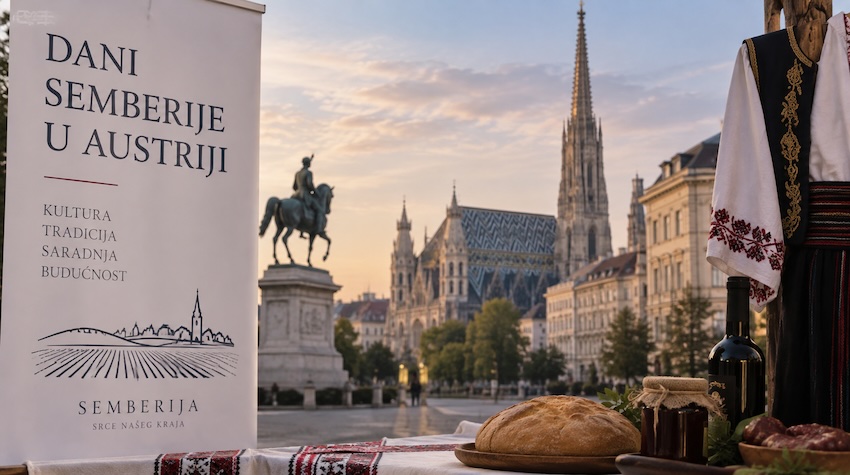
DAYS OF SEMBERIJA IN AUSTRIA: CULTURE, TRADITION AND LOCAL PRODUCTS PRESENTED TO AUSTRIAN AUDIENCES
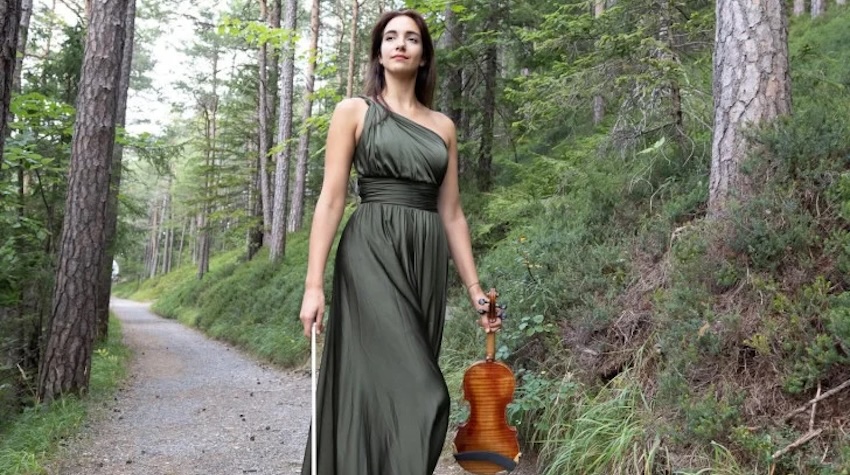
FROM EUROPEAN STAGES TO HER HOMETOWN: JOVANA RALJIĆ BRINGS VIVALDI TO BANJALUKA

 The situation at the border crossings