CITY ON THE VRBAS CAPTIVATES TOURISTS FROM AROUND THE WORLD
Banja Luka is becoming an increasingly popular destination for travelers, as confirmed by recent data from the Banja Luka Tourist Organization. In the first six months of the year, the number of visitors rose by 10 percent, while overnight stays increased by 13 percent compared to the same period last year.

According
to the Tourist Organization, the largest city of Republika Srpska recorded
61,163 tourist arrivals and 93,035 overnight stays in the first half of the
year. These figures reflect only registered tourists staying in hotels, motels,
and guesthouses.
The
statistics also confirm the continuing trend of foreign tourists showing great
interest in the "city on the Vrbas."
In June alone, Banja Luka welcomed 12,244 tourists – 9,092 foreign and 3,152 domestic – who accounted for a total of 19,146 overnight stays.
“The
majority of tourists still come from neighboring countries, primarily Serbia,
Slovenia, and Croatia, just like in previous years. However, visitors have also
arrived from Germany, Austria, Italy, Montenegro, the United States,
Switzerland, China, Hungary, Malta, Sweden, the United Kingdom, Poland, North
Macedonia, Russia, the Netherlands, the Czech Republic, Turkey, and France,”
the organization reported.
Although
more detailed statistics by country of residence are only available annually,
last year’s data showed that most foreign visitors came from Serbia (30.33%),
followed by Slovenia (19.90%) and Croatia (12.76%). These three countries
accounted for 63% of foreign tourist arrivals in Banja Luka – a figure close to
the pre-pandemic level of 59.1% recorded in 2019.
A similar trend is expected this year.
When
it comes to the most visited tourist sites, the organization highlights several
key attractions in the city: the Kastel Fortress, the Christ the Savior
Orthodox Cathedral, the Ferhadija Mosque, Gospodska Street, the Banja Luka City
Hall, and the Banski Dvor Cultural Center.
Beyond
the city center, tourists are drawn to thermal springs in Srpske Toplice, the
easternmost Trappist monastery in Europe, and Banj Brdo – a scenic lookout
point and memorial site.
“In
addition, the Museum of the Republic of Srpska and the Museum of Contemporary
Art of the Republic of Srpska are also among the must-visit spots. The city
offers numerous events, restaurants, shops, and entertainment venues. Just
outside Banja Luka, visitors can explore the ethno-village ‘Ljubačke doline,’
Krupa na Vrbasu with its waterfalls, watermills, monastery, and lake on
Manjača. In the wider region, highlights include the royal city of Jajce,
Kozara National Park, wineries, distilleries, spas, and more,” the Tourist
Organization concluded.

Join our
Viber Community
TRAVELING BY CAMPERVAN FOR THE FIRST TIME? HERE’S WHAT YOU SHOULD KNOW BEFORE YOU GO
NEW RAIL LINK BETWEEN REPUBLIKA SRPSKA AND SERBIA: DAILY TRAIN SERVICE FROM ZVORNIK TO BELGRADE
‘DRŽAVNI POSAO’ CREW FILMS NEW PROJECT IN TREBINJE
SEE SRPSKA RECEIVES CHARTER FROM BANJA LUKA TOURIST ORGANIZATION
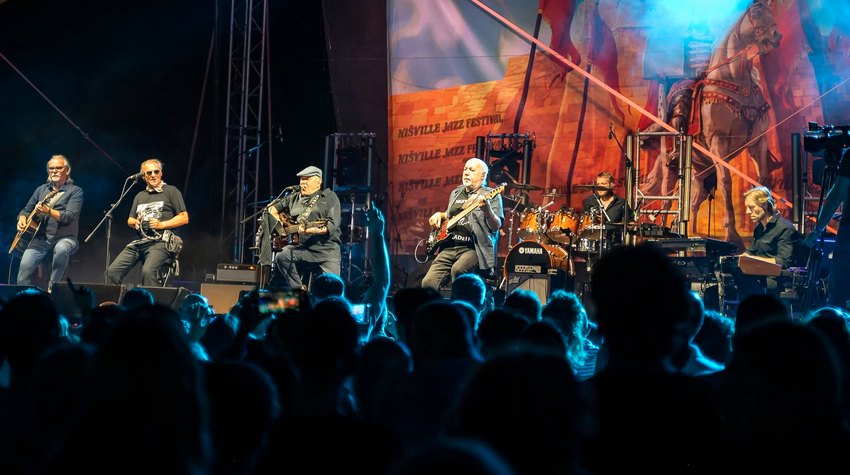
GALIJA TO CELEBRATE MAJOR ANNIVERSARY IN BANJA LUKA
NEW RAIL LINK BETWEEN REPUBLIKA SRPSKA AND SERBIA: DAILY TRAIN SERVICE FROM ZVORNIK TO BELGRADE
SEE SRPSKA RECEIVES CHARTER FROM BANJA LUKA TOURIST ORGANIZATION

BANJA LUKA BOOK FAIR 2026 OPENS TODAY
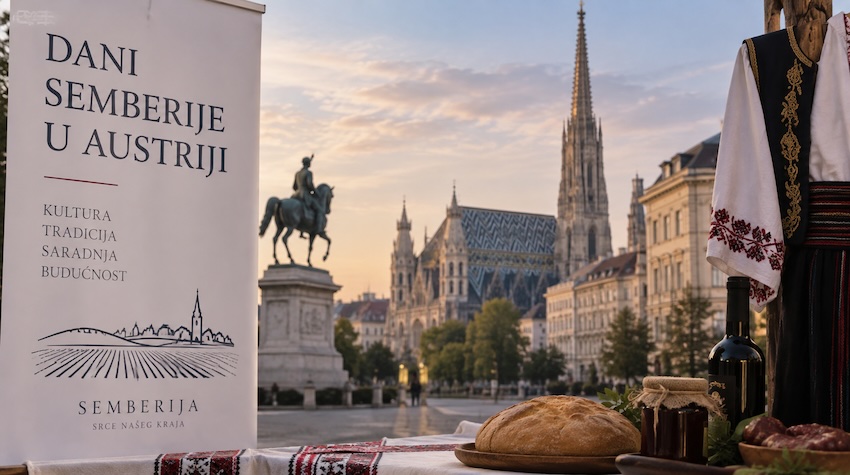
DAYS OF SEMBERIJA IN AUSTRIA: CULTURE, TRADITION AND LOCAL PRODUCTS PRESENTED TO AUSTRIAN AUDIENCES
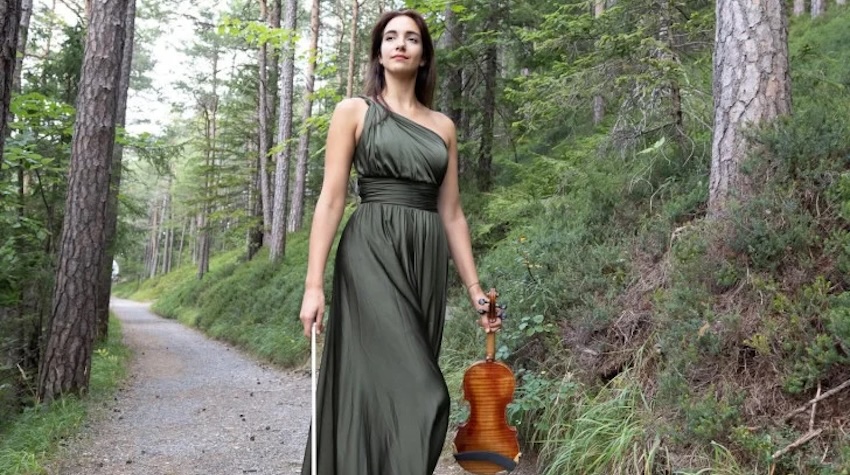
FROM EUROPEAN STAGES TO HER HOMETOWN: JOVANA RALJIĆ BRINGS VIVALDI TO BANJALUKA

 The situation at the border crossings