LITTLE-KNOWN FACTS ABOUT THE 1984 SARAJEVO WINTER OLYMPICS
Sarajevo became the first city in a communist country to host the Winter Olympics, winning the bid in 1978 against Sapporo (Japan) and Gothenburg (Sweden).

For the first time in history, Radio Sarajevo interrupted its regular programming to announce the city's selection as the host of the 1984 Winter Olympics.
SANDRA DUBRAVČIĆ – FIRST WOMAN TO LIGHT THE OLYMPIC FLAME
Croatian figure skater Sandra Dubravčić made history as the first woman to light the Olympic flame at the opening ceremony in Koševo Stadium.
A total of 10,450 volunteers contributed to organizing the Games, setting a record for Winter Olympics at that time.
The 1984 Sarajevo Winter Olympics were the first to feature a news report sent via the internet, marking a technological milestone.
JURE FRANKO – YUGOSLAVIA'S ONLY MEDALIST
Slovenian skier Jure Franko won a silver medal in giant slalom, securing the first and only Winter Olympic medal for Yugoslavia. His victory was famously celebrated with a banner that read: "We love Jurek more than burek!"
After the Olympics, the winter school break in Yugoslavia was extended from 15 to 30 days to encourage families to participate in winter sports.
Out of the total 250,000 tickets sold, an impressive 200,000 were purchased abroad, while the Games were watched by two billion people worldwide.
DECLARED THE BEST-ORGANIZED WINTER OLYMPICS
In July 1984, the International Olympic Committee officially recognized the Sarajevo Games as the best-organized Winter Olympics to date.
OLYMPIC LEGACY
The Olympics left Sarajevo with 2,850 new apartments, new hotels, and 9,500 new jobs, while the Olympic exhibition toured 1,640 cities worldwide.
The 1984 Winter Olympics in Sarajevo remain a shining moment in history, showcasing the city's hospitality, organization, and passion for sports to the world.

Join our
Viber Community
TRAVELING BY CAMPERVAN FOR THE FIRST TIME? HERE’S WHAT YOU SHOULD KNOW BEFORE YOU GO
NEW RAIL LINK BETWEEN REPUBLIKA SRPSKA AND SERBIA: DAILY TRAIN SERVICE FROM ZVORNIK TO BELGRADE
‘DRŽAVNI POSAO’ CREW FILMS NEW PROJECT IN TREBINJE
SEE SRPSKA RECEIVES CHARTER FROM BANJA LUKA TOURIST ORGANIZATION
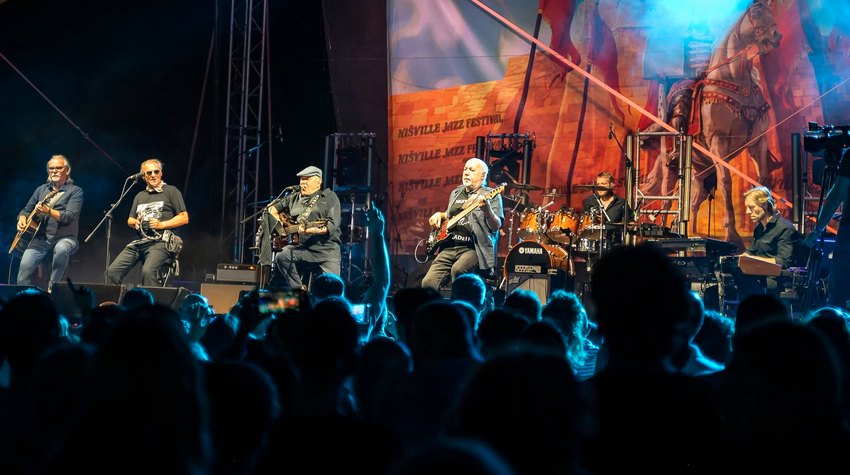
GALIJA TO CELEBRATE MAJOR ANNIVERSARY IN BANJA LUKA
NEW RAIL LINK BETWEEN REPUBLIKA SRPSKA AND SERBIA: DAILY TRAIN SERVICE FROM ZVORNIK TO BELGRADE
SEE SRPSKA RECEIVES CHARTER FROM BANJA LUKA TOURIST ORGANIZATION
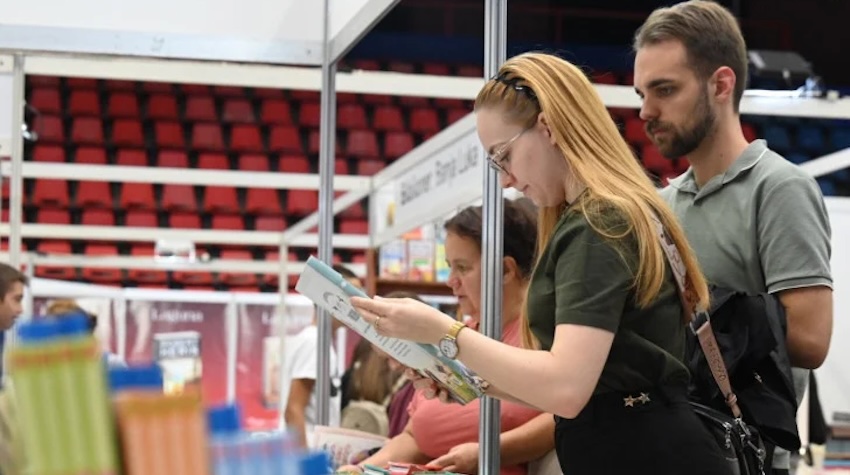
BANJA LUKA BOOK FAIR 2026 OPENS TODAY
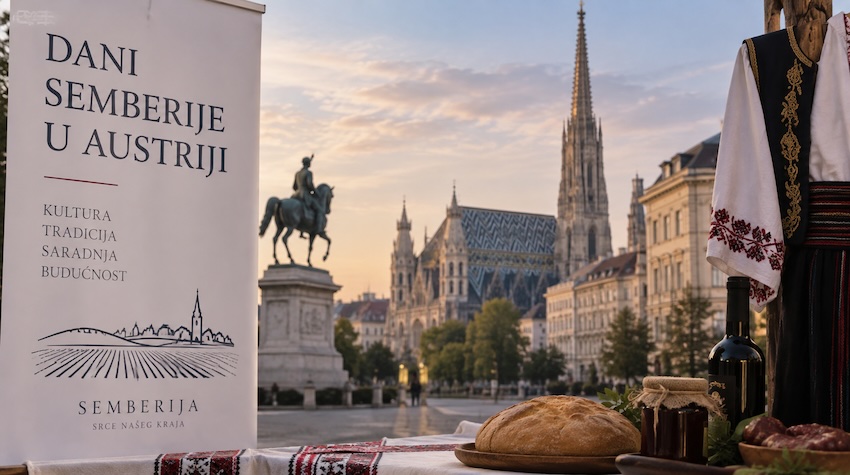
DAYS OF SEMBERIJA IN AUSTRIA: CULTURE, TRADITION AND LOCAL PRODUCTS PRESENTED TO AUSTRIAN AUDIENCES
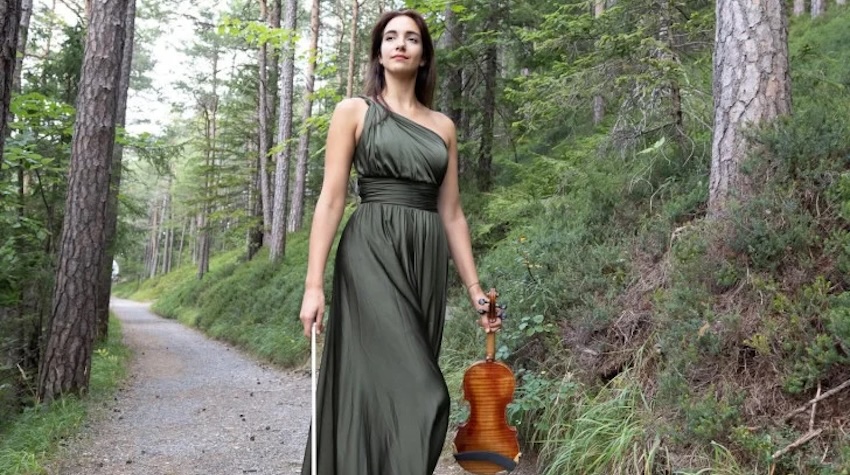
FROM EUROPEAN STAGES TO HER HOMETOWN: JOVANA RALJIĆ BRINGS VIVALDI TO BANJALUKA

 The situation at the border crossings