ONLY ONE PIZZA IS UNDER UNESCO PROTECTION
Neapolitan pizza is far more than a globally loved dish — it is a symbol of Italian identity. In 2017, the traditional art of making it, known as “Arte del Pizzaiuolo Napoletano,” was inscribed on the UNESCO Representative List of the Intangible Cultural Heritage of Humanity.
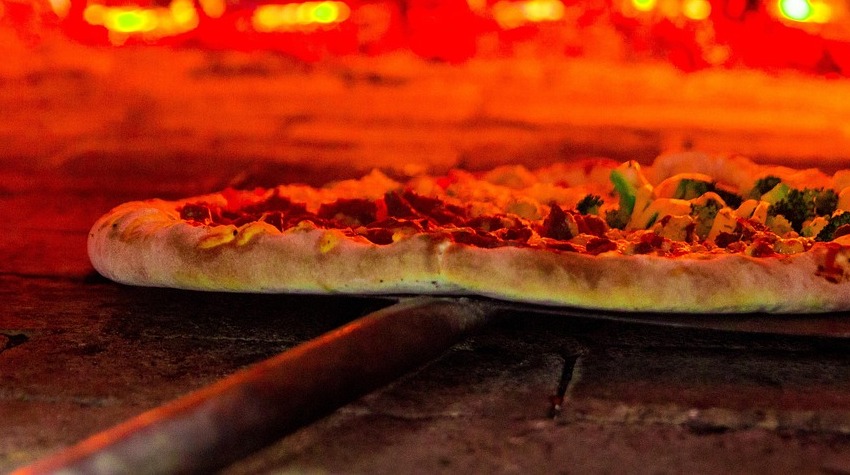
The
recognition by UNESCO did not protect just a recipe, but an entire body of
knowledge, technique and tradition that has been passed down through
generations in Naples.
STRICT RULES DEFINE AUTHENTICITY
Authentic
Neapolitan pizza is governed by precise regulations set by the Associazione
Verace Pizza Napoletana (AVPN). The dough must be made exclusively from type
“00” wheat flour, water, salt and fresh yeast — with no oil and no sugar added.
It is
kneaded by hand or using slow mixers, and left to ferment for at least 8 to 24
hours, depending on temperature and yeast quantity. This long fermentation
process gives the dough its elasticity, lightness and digestibility.
The
dough is stretched strictly by hand, never with a rolling pin, to preserve the
air in the edges. The result is the signature raised, soft crust — the
cornicione — marked by dark blistered bubbles from baking. The pizza’s diameter
should not exceed 35 centimeters, while the center must remain thin and
flexible.
When
it comes to toppings, only two traditional versions are officially recognized:
Marinara (tomato, garlic, oregano and olive oil) and Margherita (tomato,
mozzarella, fresh basil and olive oil). Certified San Marzano tomatoes or other
approved varieties must be used, while the mozzarella can be either fior di
latte or mozzarella di bufala. Each ingredient has its own defined origin and
quality standard.
WOOD-FIRED OVEN AND A PHILOSOPHY OF DETAIL
Baking
is just as crucial as preparation. True Neapolitan pizza is baked exclusively
in a wood-fired oven at temperatures between 430°C and 480°C for only 60 to 90
seconds. The intense heat ensures rapid dough rise, lightly charred spots on
the crust and a moist, tender center that does not dry out.
In
Italy, pizza is considered much more than fast food. It represents local pride,
family heritage and the spirit of Naples itself. Any deviation — such as adding
cream, pineapple or excessive toppings — is often seen as straying from the
original philosophy of simplicity and balance.
It is
precisely this combination of strict craftsmanship rules and strong cultural
identity that makes Neapolitan pizza unique. Behind what appears to be a simple
dish lies centuries of tradition, artisanal expertise and almost ritual respect
for ingredients — a legacy that has earned it global recognition and
protection.

Join our
Viber Community
DAYS OF SEMBERIJA IN AUSTRIA: CULTURE, TRADITION AND LOCAL PRODUCTS PRESENTED TO AUSTRIAN AUDIENCES

BANJA LUKA BOOK FAIR 2026 OPENS TODAY
THE PEOPLE PROTECTED THE SACRED ICON, BELIEVING IT WAS PROTECTING THEM: THE STORY OF THE ČAJNIČE KRASNICA

APPEAL FOR HELP: BLOOD DONORS URGENTLY NEEDED FOR NATAŠA ĆEJIĆ IN BANJA LUKA

NEW GENERATION OF STUDENT THEATRE MEMBERS TAKES THE STAGE
APPEAL FOR HELP: BLOOD DONORS URGENTLY NEEDED FOR NATAŠA ĆEJIĆ IN BANJA LUKA

DEJAN KOKANOVIĆ CONQUERS 336 KM THROUGH THE ITALIAN ALPS

OKTOBERFEST KICKS OFF IN MUNICH, EXPECTING 6.5 MILLION VISITORS

AUTUMN FRUITS AND HONEY FESTIVAL COMES TO BANJALUKA

SPANISH TRAVEL WRITER DISCOVERS THE GREEN SIDE OF BANJA LUKA


 The situation at the border crossings