OLEO TOURISM IS BECOMING INCREASINGLY POPULAR
Oleo tourism is emerging as a distinctive form of travel centered around the production, culture, and tasting of olive oil. This niche combines gastronomy, tradition, nature, and authentic experiences, making it increasingly attractive to modern travelers seeking more than a conventional holiday.
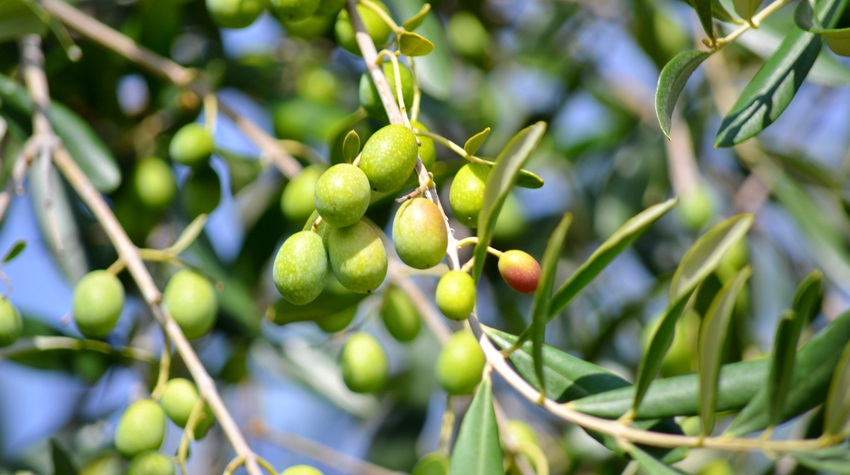
Much like wine tourism, oleo tourism offers
visitors the opportunity to explore olive groves, take part in olive
harvesting, tour oil mills, and learn about the production of extra virgin
olive oil. At its core, this type of tourism involves staying in rural areas
where olive cultivation has been a way of life for centuries.
Visitors can participate in tasting workshops,
discover the differences between various olive oil varieties, and gain insight
into how climate and soil influence quality. In addition, many destinations
offer local cuisine, wellness treatments using olive oil, and accommodation in
authentic rural households or luxury resorts surrounded by olive groves.
DEVELOPED DESTINATIONS
Europe stands as the epicenter of oleo
tourism, thanks to its long-standing tradition of olive oil production.
Countries such as Spain, Italy, and Greece lead the way in developing this
tourism niche.
Regions like Andalusia are renowned for vast
olive plantations and well-organized tours that include visits to oil mills,
tastings, and educational programs.
In Italy, Tuscany and Apulia offer refined
experiences combining luxury accommodation, local cuisine, and tours of
traditional olive oil facilities. Similarly, in Greece—particularly on islands
and in regions such as Crete—oleo tourism is deeply intertwined with local
lifestyle and the Mediterranean diet.
What sets these destinations apart is their
developed infrastructure and clearly branded offerings, ranging from organized
olive oil routes to specialized festivals celebrating this essential
ingredient.
THE BALKAN REGION
In the Balkans, oleo tourism is still
developing but shows significant potential. Countries like Croatia and
Montenegro have already made notable progress.
In Croatia, especially in Istria and across
the Kvarner and Dalmatian islands, visitors can enjoy tours that include
tastings of premium olive oils and visits to family-run oil mills. Istria is
increasingly recognized as one of the world’s leading regions for high-quality
olive oil, further boosting tourism.
Oleo tourism in Slovenia is developing as an
authentic and sustainable travel experience, particularly in its coastal
Istrian region. Visitors can participate in olive harvests, tastings of extra
virgin olive oil, and educational tours through family-owned groves. These
experiences are often combined with wine tastings and traditional gastronomy,
offering a complete immersion into local culture and flavors.
In Montenegro, towns such as Bar and Ulcinj
are known for ancient olive groves and traditions passed down through
generations. A key attraction is the Old Olive Tree, one of the oldest olive
trees in Europe, which draws numerous visitors each year.
WHY IS IT GAINING POPULARITY?
Modern travelers are increasingly drawn to
authentic, educational, and sustainable experiences. Oleo tourism aligns
perfectly with this trend by combining nature, healthy living, and local
culture. Olive oil, a cornerstone of the Mediterranean diet, further enhances
its appeal due to its well-known health benefits.
Additionally, oleo tourism contributes to the
development of rural areas, extends the tourist season—especially during the
autumn harvest—and supports the preservation of traditional production methods.
This unique blend of sustainability, authenticity, and luxury positions it as
one of the most promising trends in contemporary tourism.
Oleo tourism represents a fusion of tradition
and modern travel expectations. While Mediterranean countries have already
established strong brands around olive oil, the Balkan region is only beginning
to recognize its potential. In the coming years, this form of tourism is
expected to grow further, driven by increasing interest in gastronomy, healthy
lifestyles, and experiential travel.

Join our
Viber Community
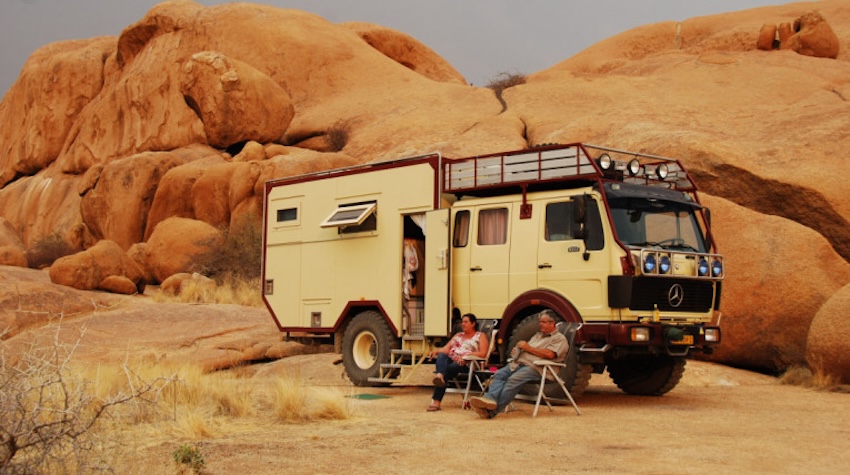
TRAVELING BY CAMPERVAN FOR THE FIRST TIME? HERE’S WHAT YOU SHOULD KNOW BEFORE YOU GO

NEW RAIL LINK BETWEEN REPUBLIKA SRPSKA AND SERBIA: DAILY TRAIN SERVICE FROM ZVORNIK TO BELGRADE
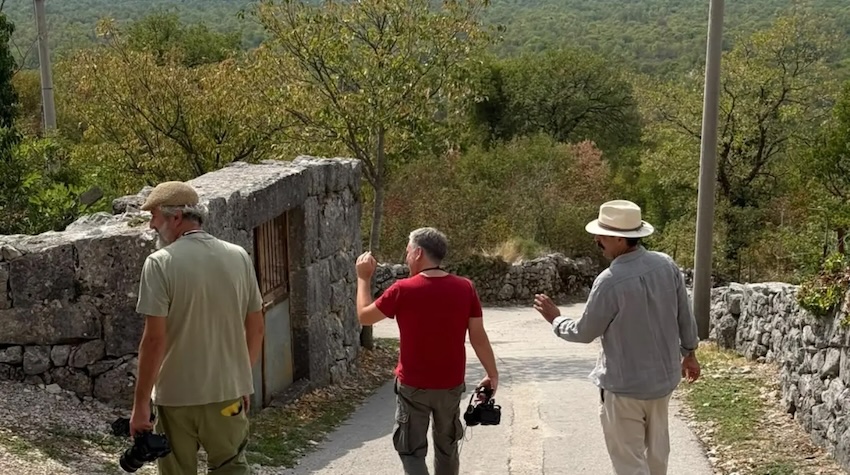
‘DRŽAVNI POSAO’ CREW FILMS NEW PROJECT IN TREBINJE
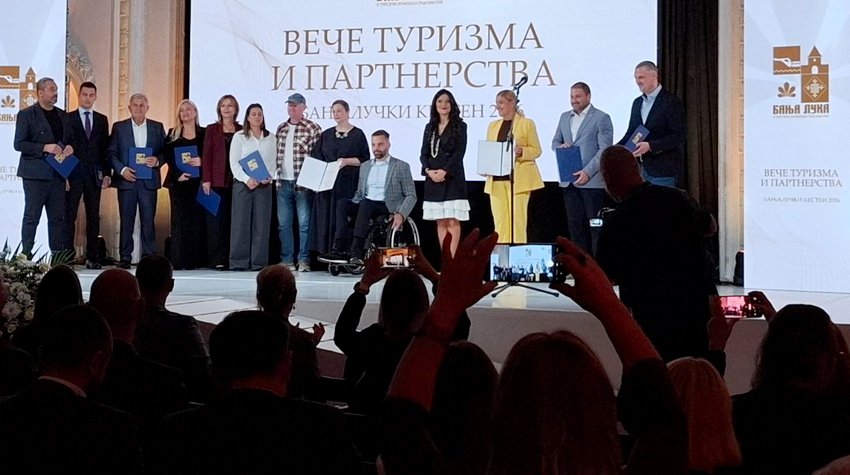
SEE SRPSKA RECEIVES CHARTER FROM BANJA LUKA TOURIST ORGANIZATION

GALIJA TO CELEBRATE MAJOR ANNIVERSARY IN BANJA LUKA
NEW RAIL LINK BETWEEN REPUBLIKA SRPSKA AND SERBIA: DAILY TRAIN SERVICE FROM ZVORNIK TO BELGRADE
SEE SRPSKA RECEIVES CHARTER FROM BANJA LUKA TOURIST ORGANIZATION

BANJA LUKA BOOK FAIR 2026 OPENS TODAY
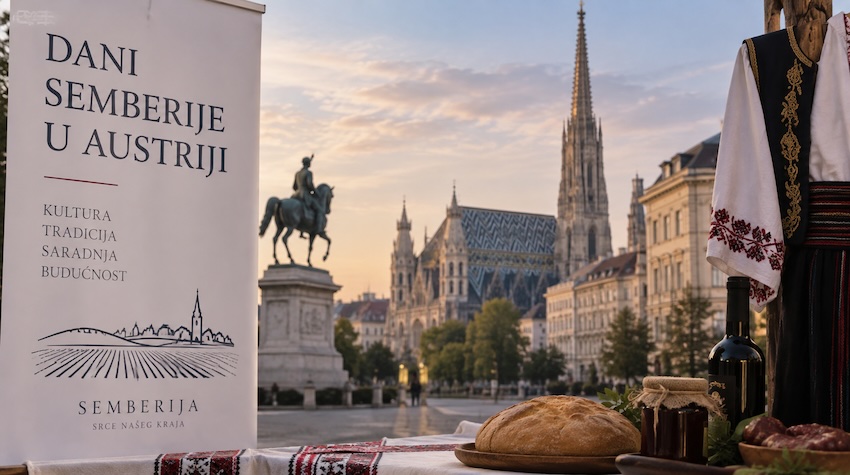
DAYS OF SEMBERIJA IN AUSTRIA: CULTURE, TRADITION AND LOCAL PRODUCTS PRESENTED TO AUSTRIAN AUDIENCES

FROM EUROPEAN STAGES TO HER HOMETOWN: JOVANA RALJIĆ BRINGS VIVALDI TO BANJALUKA


 The situation at the border crossings